Custom LSR Overmolded Fuel Cell Bipolar Plate Seal | Metal Insert
Item specifics
- Product Type
- Fuel Cell Bipolar Plate Integrated Seal
- Substrate
- Customer-Supplied Metallic Bipolar Plate
- Silicone Material
- Application-Specific LSR, Subject to Validation
- Manufacturing Process
- LSR Overmolding / Metal Insert Molding
- Seal Structure
- Molded Perimeter and Manifold Sealing Beads
- Functional Zones
- Exposed Flow Channels / Manifold Openings
- Application
- PEM Fuel Cell Stack Components
- Custom Service
- DFM / Tooling / Sampling / OEM Manufacturing
Review
Description
Product Overview
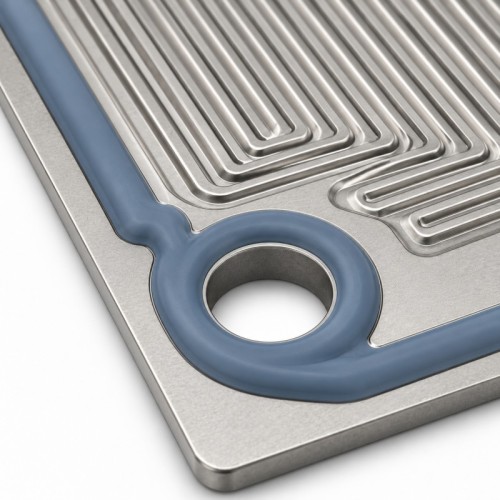
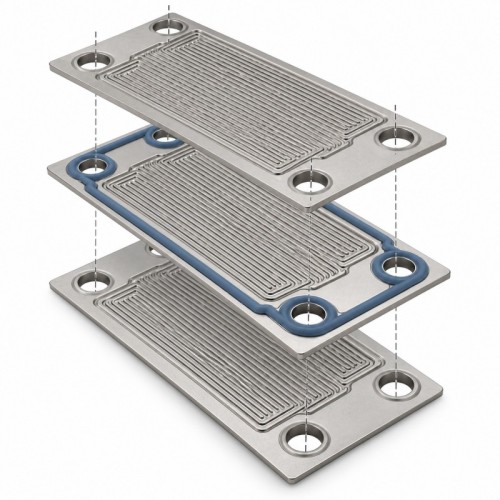
Custom LSR overmolded fuel cell bipolar plate seals are integrated silicone-to-metal sealing components developed for metallic bipolar plates used in fuel cell stack assemblies.
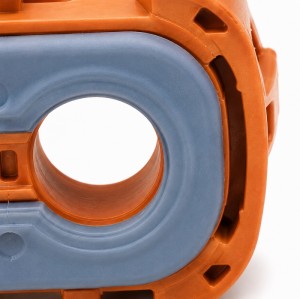
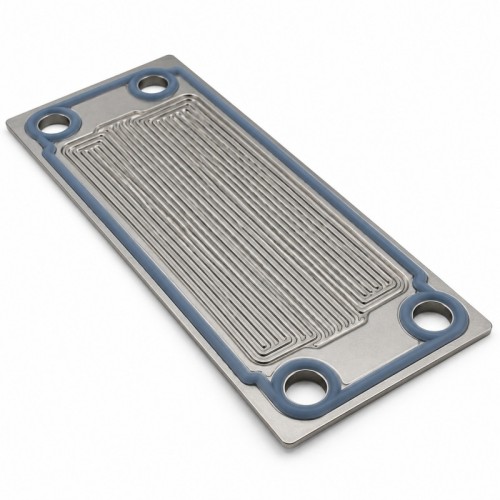
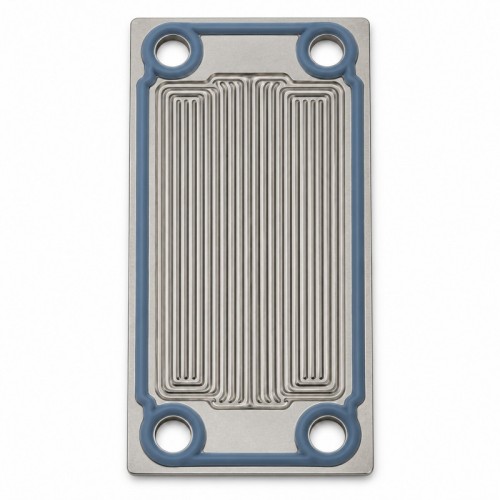
In this manufacturing approach, liquid silicone rubber is molded directly onto defined sealing areas of a preformed metal bipolar plate. The silicone can form perimeter and manifold sealing beads while the flow-field channels, port openings and specified electrical contact regions remain exposed.
Unlike a separately placed loose gasket, an integrated overmolded seal is formed in a controlled position relative to the metal substrate. Its suitability depends on the plate design, selected LSR compound, metal surface, molding process and stack compression requirements.
SiliconePlus focuses on custom silicone-over-metal manufacturing. Customers may provide their own formed or coated metal substrates for overmolding feasibility assessment.
Our proposed scope includes DFM review, tooling development, LSR insert molding evaluation and sample inspection. Metallic plate forming, conductive coating, fuel cell stack assembly and complete system qualification are not included unless separately agreed.
The final seal geometry, material compatibility, adhesion or retention, gas tightness and service durability must be verified to the customer's fuel cell specification.
Integrated Sealing Paths Without Blocking the Flow Field
A fuel cell bipolar plate requires carefully defined sealing paths that work with the complete stack design.
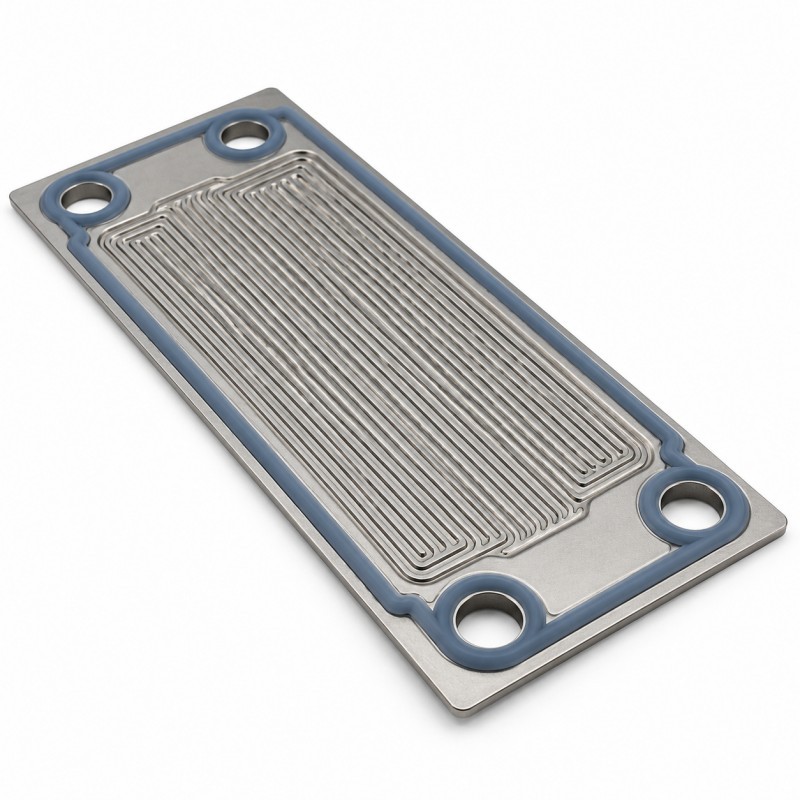
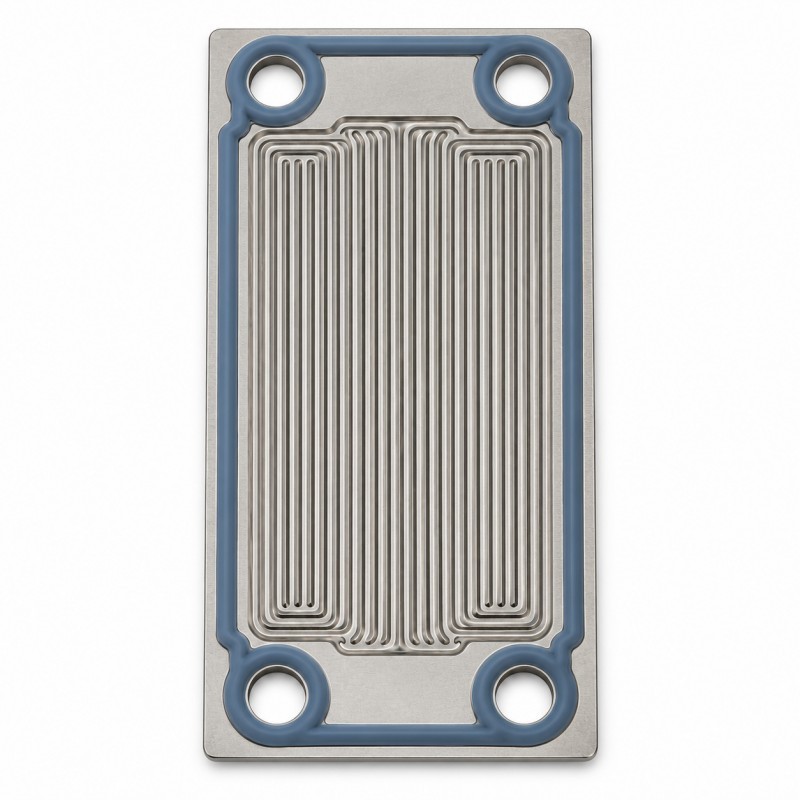
Depending on the customer's plate architecture, the integrated LSR seal may be positioned around the external perimeter and designated manifold regions.
The following areas must be distinguished before tooling:
- Silicone sealing bead locations
- Perimeter sealing path
- Manifold port sealing paths
- Gas and coolant passage openings
- Exposed flow-field channels
- Electrical contact regions
- Plate locating and alignment features
- Areas requiring mold shut-off
Silicone must not obstruct the flow channels or manifold passages.
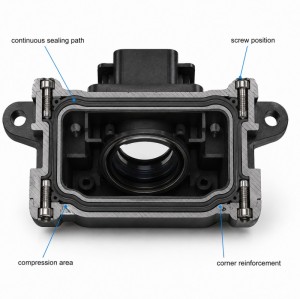
Seal continuity, bead location and the allowable compression range should be assessed against the customer's mating surfaces and stack assembly conditions.
SiliconePlus offers custom metal insert overmolding for projects requiring controlled silicone coverage on precision metal components.
Explore our silicone overmolded metal insert components for broader silicone-to-metal manufacturing information.
Engineering Requirements Before LSR Overmolding
Fuel cell bipolar plate sealing projects require a material and process evaluation before mold construction.
Key information includes:
- Bipolar plate drawing and overall dimensions
- Metal substrate type
- Surface coating and coating condition
- Substrate flatness and dimensional tolerances
- Silicone coverage area
- Required sealing bead profile
- Mating plate geometry
- Compression and stack clamping conditions
- Operating gas and coolant exposure
- Target leakage acceptance criteria
- Temperature and pressure operating conditions
- Cleanliness and contamination requirements
- Required durability and aging validation
- Expected production volume
Substrate and Surface Compatibility
The selected LSR compound must be evaluated against the metal or coated-metal surface. Chemical bonding cannot be assumed without testing. Surface preparation or suitable retention design may be necessary.
Seal Compression
Bead height and shape should be designed together with the final stack gap and compression conditions. Excessive or insufficient compression may compromise sealing performance.
Metal Plate Stability
A formed bipolar plate may be relatively thin and sensitive to handling or deformation. Tooling support, insert positioning and suitable molding conditions must be considered to prevent damage.
Media Compatibility
Hydrogen, humidified gas and coolant exposure can impose different material requirements. The selected silicone grade must be reviewed against the actual operating environment and the customer's qualification procedure.
Manufacturing Scope
SiliconePlus can assess the LSR overmolding portion of the component. No claim is made that a generic silicone formulation is automatically qualified for fuel cell operation.
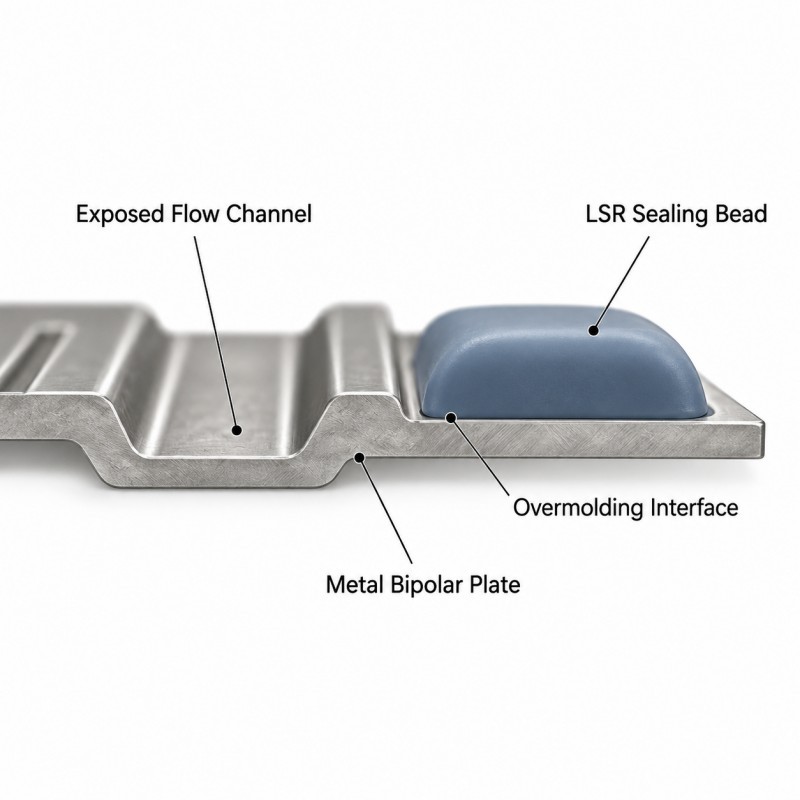
Cross-Section and Insert Molding DFM Review
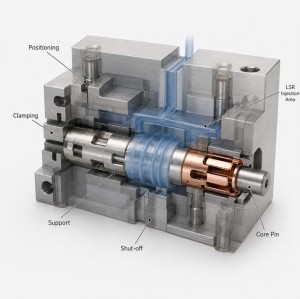
A reliable overmolding process begins with stable positioning of the metallic bipolar plate inside the mold.
During DFM review, engineering attention should focus on:
- Insert locating datums
- Metal substrate support during molding
- Substrate flatness variation
- Silicone bead cross-section
- Mold shut-off near manifold openings
- Separation of coated functional areas from silicone coverage
- Gate and vent positioning
- Flash control near flow channels
- Demolding and handling
- Seal-to-metal interface inspection
- Dimensional repeatability between molded samples
The flow-field channels, gas ports, coolant ports and designated conductive surfaces must remain unobstructed.
Thin silicone flash across a channel or port may affect the function of the bipolar plate even when the main sealing bead looks complete.
The selected molding material and process must also be compatible with the surface coating and geometry of the supplied substrate.
For additional engineering information on maintaining exposed functional regions, read our guide to protecting openings during LSR overmolding.
Final acceptance should be based on representative samples and the customer's functional test requirements, not appearance alone.
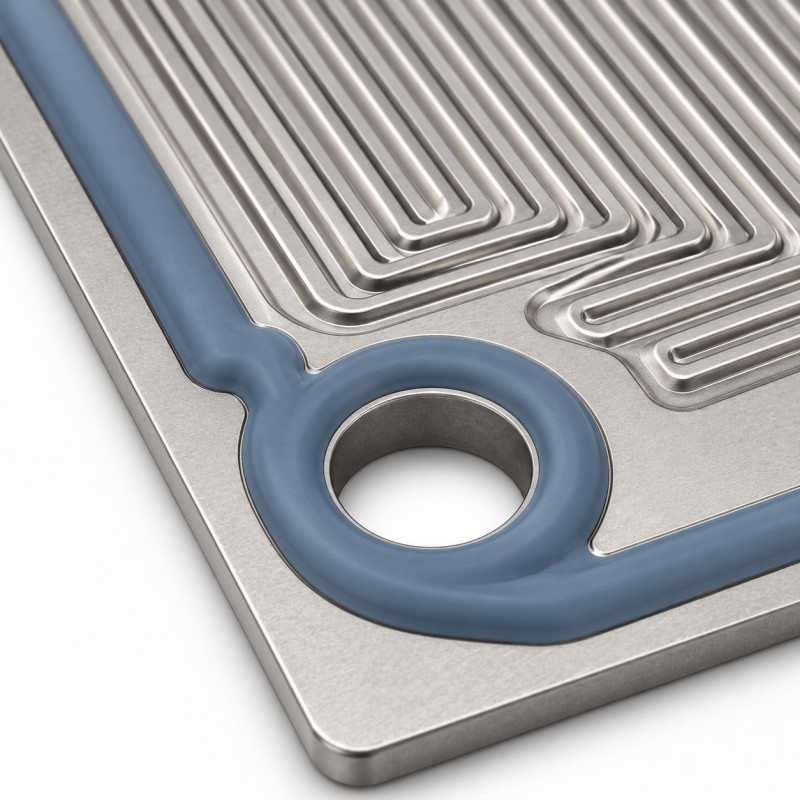
Silicone-to-Metal Sealing Interface
The molded LSR bead follows a defined path on the metallic substrate. Its edge position, cross-sectional geometry and interface condition should be checked against the approved drawing and inspection requirements.
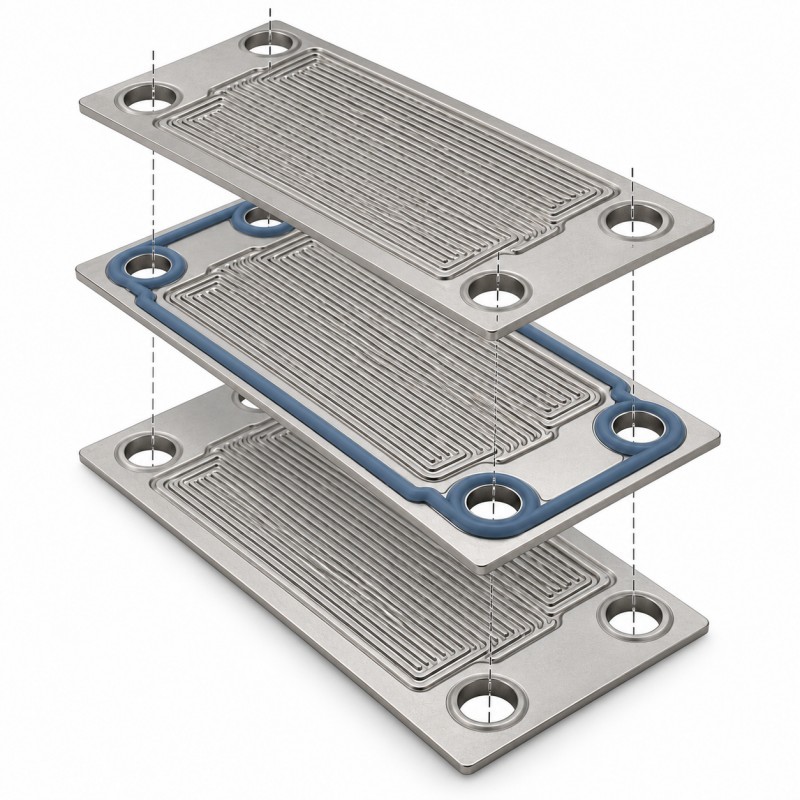
Fuel Cell Stack Integration
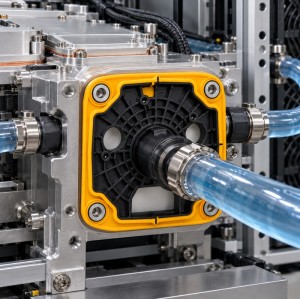
The sealed bipolar plate is evaluated as part of the customer's fuel cell stack. Sealing performance depends on the mating surfaces, plate alignment, stack compression and application-specific gas and coolant conditions.
Request an LSR Overmolding Feasibility Review
Developing a metallic bipolar plate that requires an integrated silicone sealing structure?
SiliconePlus can review the LSR overmolding requirements of your custom metal component, including seal placement, insert positioning, material compatibility, tooling feasibility and prototype evaluation.
To request a technical review, please provide:
- 2D and 3D bipolar plate drawings
- Metal substrate and surface coating information
- Proposed LSR sealing areas
- Mating stack structure and compression requirements
- Operating media and environmental conditions
- Functional leakage and durability requirements
- Estimated prototype and production quantities
We will evaluate the requested overmolding process against the available manufacturing capabilities and project specifications.
The proposed service is limited to the agreed custom component scope. Fuel cell operating performance and final stack qualification remain subject to the customer's validation programme.