Custom LSR Overmolded Automotive Camera Module Housing Seal
Item specifics
- Brand
- SiliconePlus
- Material
- Liquid Silicone Rubber (LSR)
- Substrate
- Heat-Resistant Plastic Camera Housing
- Process
- LSR Overmolding / Insert Molding
- Application
- Automotive Camera / ADAS Camera Module
- Function
- Waterproof / Dustproof / Vibration Damping
- Seal Structure
- Integrated Sealing Lip / Compression Seal
- Silicone Hardness
- Customized According to Assembly Requirements
- Custom Input
- 2D Drawing / 3D File / Physical Sample
- Service
- DFM / Tooling / Sampling / OEM Mass Production
Review
Description
Product Overview
Our custom LSR overmolded camera module housing seal is designed for automotive camera systems requiring waterproof sealing, vibration protection and stable interface performance.
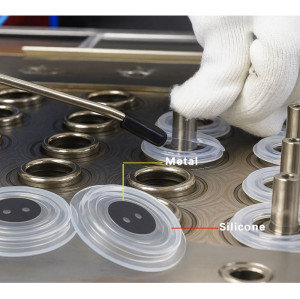
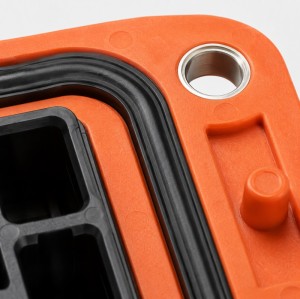
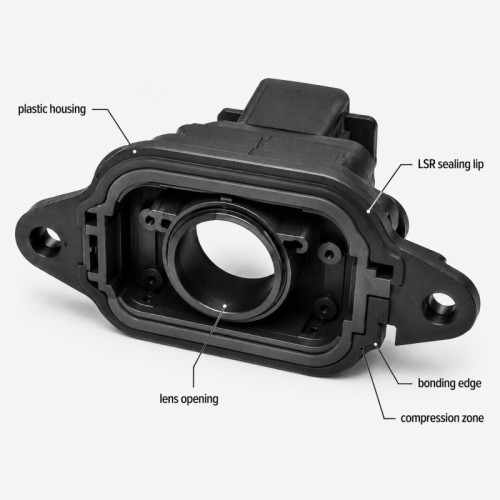
Liquid silicone rubber is molded directly onto selected areas of a heat-resistant plastic camera housing. The silicone can form a continuous sealing lip, compression edge, cushioning zone or protective boundary while keeping the lens opening, connector interface, mounting points and optical areas exposed.
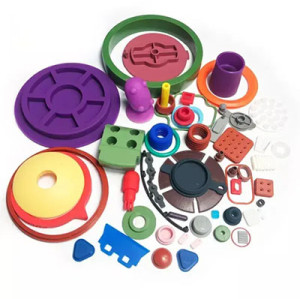
This is not a standard loose gasket or a complete automotive camera. Each overmolded component is customized according to the customer’s camera housing, assembly structure, waterproof target, vibration requirement and production quantity.
SiliconePlus supports DFM review, mold development, sample production and OEM mass production through precision liquid silicone injection molding.
What Is an Automotive Camera Module Housing Seal?
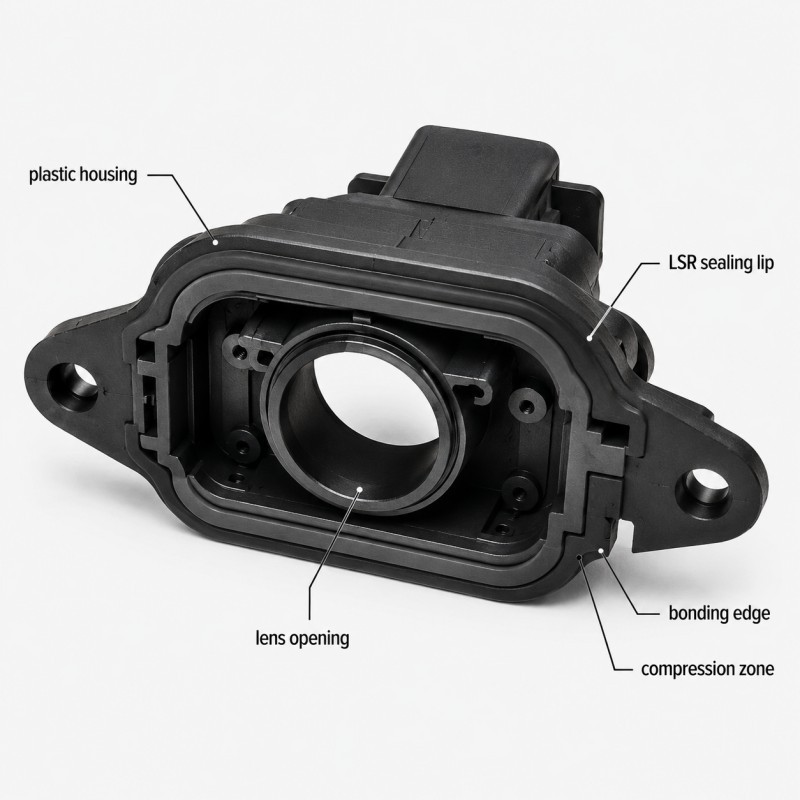
An automotive camera module housing seal is an integrated plastic-and-silicone component used around the housing, cover, connector interface or assembly edge of a vehicle camera module.
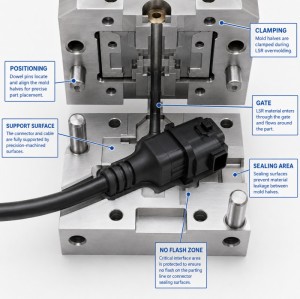
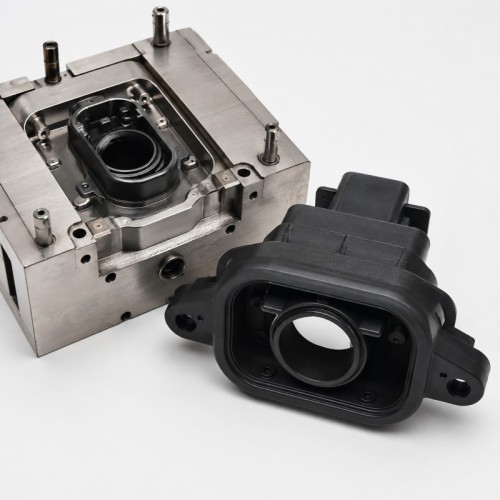
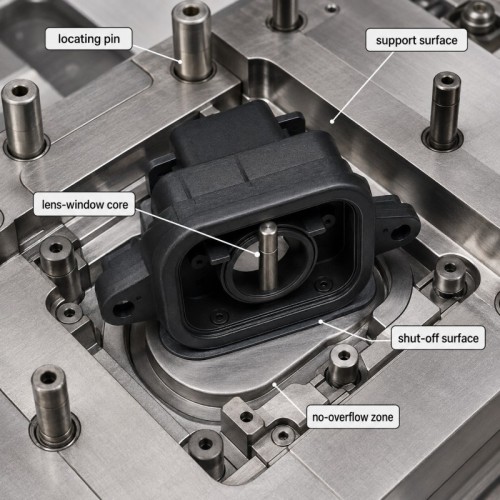
During production, the plastic camera housing is accurately positioned inside an overmolding tool. Liquid silicone rubber is then injected around the specified sealing area and cured directly onto the housing.
This plastic with silicone overmolding structure can reduce the need to install a separate loose gasket after molding. It also helps keep the sealing lip in a defined position during final camera assembly.
The silicone structure may provide:
Continuous waterproof sealing
Dustproof protection
Housing-edge cushioning
Vibration damping
Connector-area sealing
Stable gasket positioning
Reduced manual gasket installation
Protection around camera module interfaces
Customized compression during assembly
The final structure must be designed together with the complete camera housing rather than treating the silicone seal as an isolated rubber part.
Why Use Integrated LSR Overmolding?
Automotive cameras may be installed in areas exposed to moisture, dust, vibration, temperature changes, cleaning water and repeated vehicle movement.
A separately installed gasket may become twisted, stretched, displaced or locally over-compressed during assembly. An integrated LSR overmolded seal keeps the silicone structure attached to the camera housing and can improve sealing-position consistency.
Compared with a separately installed gasket, an integrated structure can help provide:
More stable sealing-lip positioning
Fewer loose sealing components
Reduced manual assembly steps
Lower risk of missing gaskets
Customized sealing around complex corners
Better integration with compact camera housings
Controlled compression geometry
Combined sealing and vibration protection
Repeatable positioning during mass production
Actual sealing performance still depends on the housing flatness, silicone hardness, compression ratio, fastening method, mating surface and final validation test.
Key Design Requirements Before Tooling
Camera Window and Functional Area Protection
The optical window, lens opening, electrical connector, mounting holes and calibration surfaces must remain free from silicone.
Liquid silicone rubber can flow into very small gaps. If the mold does not seal correctly around a protected area, silicone may enter the lens opening, connector cavity, screw hole or optical reference surface.
Before tooling, the customer should clearly identify:
Lens and optical window area
Connector opening
Electrical contact area
Mounting holes
Calibration surfaces
Housing datums
Screw bosses
Heat-dissipation areas
Areas where flash is not permitted
Areas that must remain completely exposed
The mold should use suitable core pins, shut-off surfaces and insert support to protect these functional areas.
Insert Positioning and Housing Support
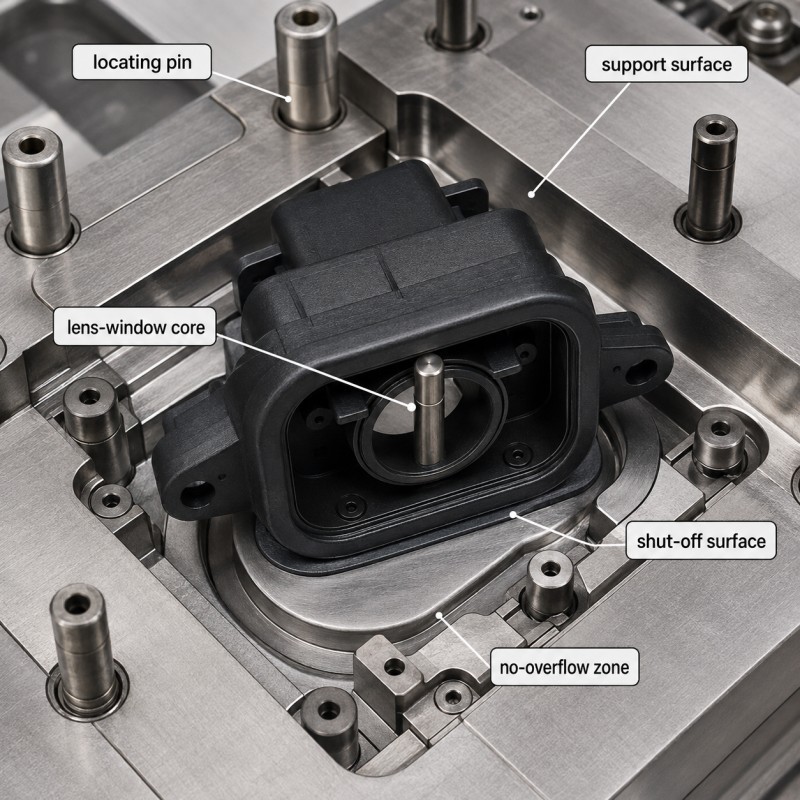
The plastic camera housing must remain stable inside the mold during LSR injection.
If the insert shifts, tilts or deforms, the silicone sealing lip may become uneven or move away from its designed position.
Possible results include:
Uneven silicone thickness
Off-center sealing path
Exposed plastic
Silicone overflow
Blocked openings
Flash around the housing
Assembly interference
Incorrect compression
Poor visual consistency
Waterproof test failure
Locating pins, support surfaces, clamping areas and dimensional datums should be reviewed before mold design.
For high-precision camera housings, review how insert positioning in LSR overmolding affects sealing accuracy and mass-production stability.
Seal Compression and Continuous Sealing Path
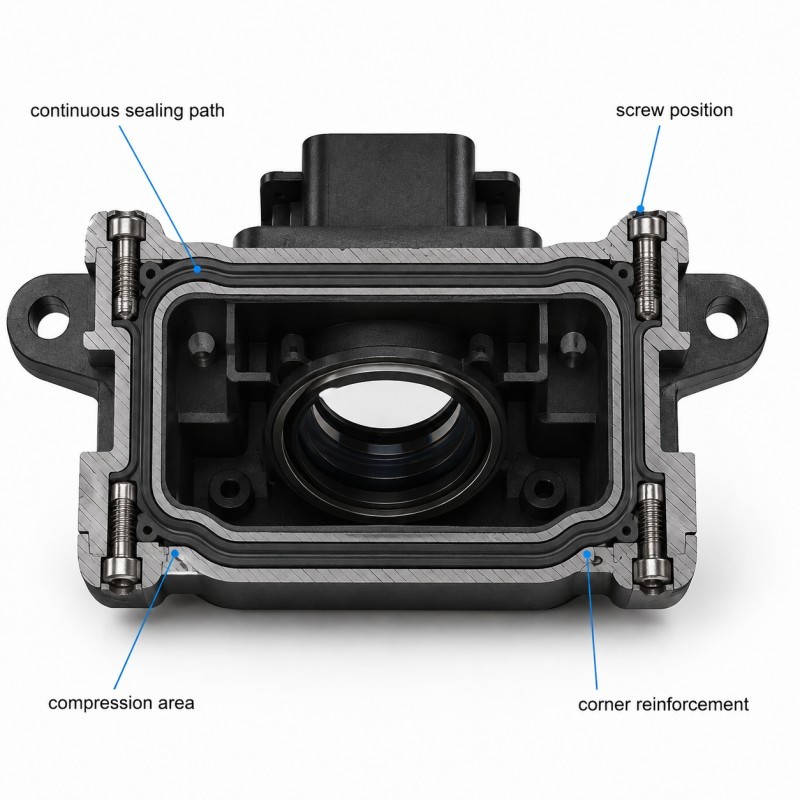
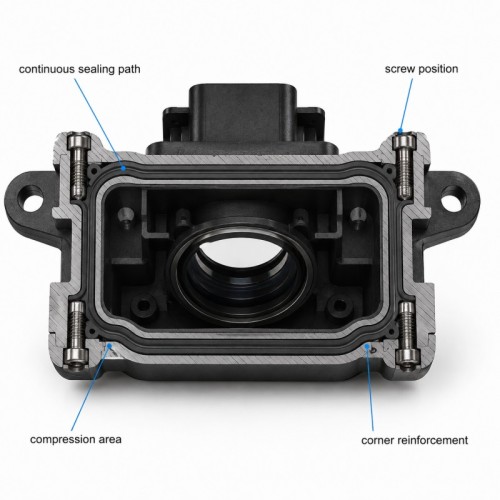
A camera housing seal normally needs a continuous sealing path around the area being protected.
The sealing lip should maintain stable contact with the mating housing after assembly. Gaps, abrupt height changes, unsupported corners or screw-position variation may create local leakage paths.
Key factors include:
Seal cross-section
Silicone hardness
Compression ratio
Housing flatness
Fastener position
Screw tightening force
Corner geometry
Sealing-lip continuity
Plastic dimensional tolerance
Mating-surface finish
Long-term compression recovery
Assembly temperature range
If compression is too low, the seal may not maintain sufficient contact. If compression is too high, assembly force may increase and the silicone may deform or lose long-term recovery.
Mold Shut-Off and Flash Control
The mold shut-off determines where silicone flow stops around the plastic camera housing.
A weak or unstable shut-off may allow silicone to enter functional openings or create flash on sealing and assembly surfaces.
High-risk areas include:
Lens openings
Connector interfaces
Screw holes
Housing edges
Mounting surfaces
Thin plastic walls
Plastic parting lines
Textured plastic surfaces
Small steps or grooves
Optical reference areas
The plastic housing tolerance and mold shut-off structure must be evaluated together.
Silicone-to-Plastic Bonding
Bonding performance depends on the plastic material, silicone grade, surface condition, bonding area and molding process.
Some applications can use self-bonding LSR. Other structures may require primer treatment, surface treatment or mechanical-locking features.
Mechanical retention may include:
Small through-holes
Retention grooves
Undercuts
Wraparound edges
Locking ribs
Enlarged bonding boundaries
Embedded plastic features
Bonding should be evaluated using the actual plastic grade and production sample.
Gate and Venting Design
The gate position controls how silicone flows around the camera housing.
Poor flow direction can push the plastic insert, trap air around corners or create visible flow lines near the sealing lip.
The tooling review should consider:
Gate location
Silicone flow direction
Air-trap areas
Vent position
Thin sealing sections
Flow around the lens opening
Weld-line position
Cosmetic requirements
Insert movement risk
Final trimming restrictions
Gate and venting design should avoid critical sealing, optical and assembly areas.
Typical Automotive Camera Applications
Custom LSR overmolded housing seals can be developed for:
Front-view ADAS cameras
Surround-view cameras
Rear-view cameras
Parking-assistance cameras
Driver-monitoring cameras
Cabin-monitoring cameras
Electronic mirror cameras
Blind-spot camera modules
Vehicle sensor camera housings
Waterproof exterior camera modules
Camera connector interfaces
Camera cable-entry areas
Related automotive sensor projects can also be evaluated through our custom LSR overmolded sensor sealing components capability.
For a broader view of vehicle sealing and overmolding applications, see our automotive silicone customization solutions.
Customization Options
Each automotive camera housing project is customized according to the customer’s design.
Available options include:
Plastic housing material
Silicone coverage area
Silicone hardness
Silicone color
Seal height and width
Compression-lip geometry
Bonding boundary
Mechanical-locking structure
Corner reinforcement
Connector sealing area
Vibration-damping structure
Surface texture
Parting-line position
Gate position
Shut-off structure
Flash-control requirement
Waterproof test target
Dimensional tolerance
Prototype tooling
Production tooling
Packaging method
The customer should provide the complete housing and assembly relationship whenever possible.
Quality Inspection and Validation
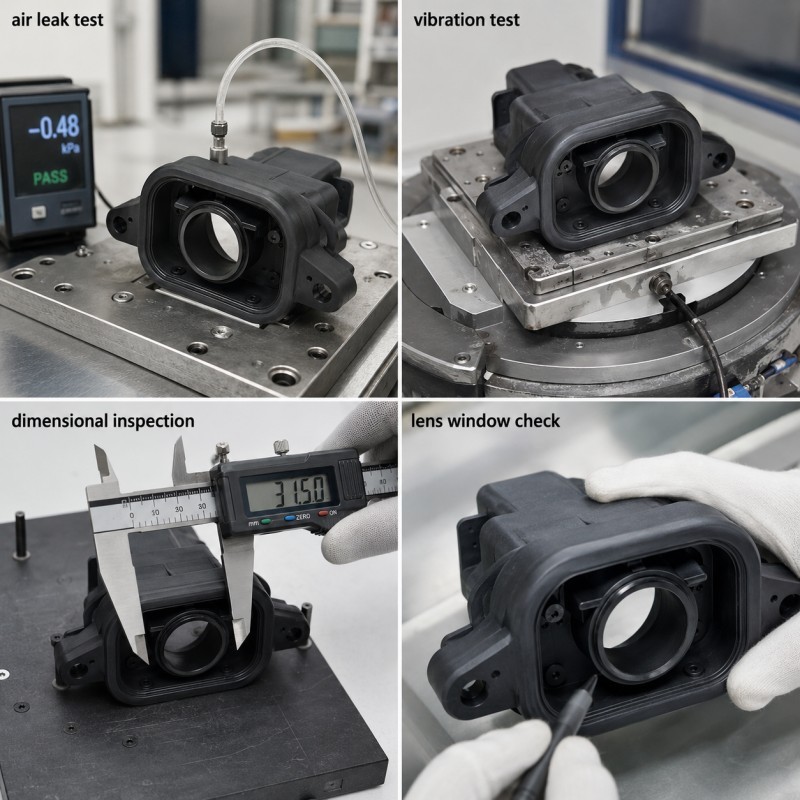
A camera housing seal may look complete after molding but still fail during assembly, vibration or waterproof testing.
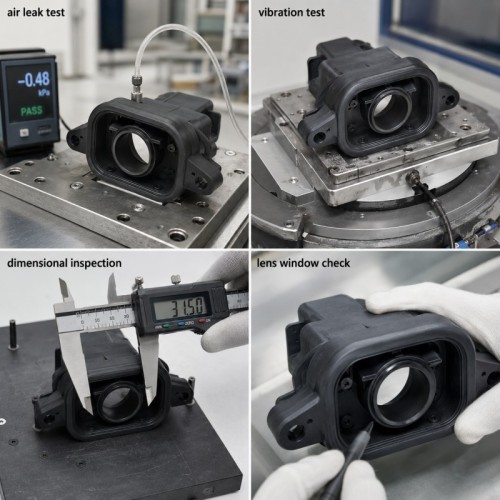
Inspection and validation may include:
Incoming plastic-housing inspection
Insert-position inspection
Silicone coverage inspection
Dimensional measurement
Sealing-lip height inspection
Visual and flash inspection
Optical-window contamination inspection
Bonding evaluation
Peel or pull testing
Assembly verification
Compression inspection
Air-leak testing
Waterproof testing
Vibration testing
Temperature-cycling testing
Heat-aging testing
Final functional verification
Test fixtures and acceptance standards should be agreed before mass production.
Engineers should also review why waterproof silicone seals pass assembly but fail testing, because initial assembly appearance alone does not confirm long-term sealing reliability.
Final IP performance depends on the complete camera module, mating surface, assembly force, cable or connector interface and approved testing conditions.
DFM, Tooling and Production Support
SiliconePlus supports automotive camera housing projects from early evaluation to mass production.
Project support can include:
2D and 3D drawing review
Plastic material evaluation
Silicone material selection
Optical-area protection review
Seal compression analysis
Insert-positioning analysis
Mold shut-off review
Bonding-area evaluation
Mechanical-locking review
Gate and venting analysis
Custom mold development
Prototype sampling
Dimensional inspection
Bonding evaluation
Leak-test support
Vibration-test support
Process optimization
OEM and ODM mass production
Early DFM review can help identify blocked openings, insufficient seal compression, plastic deformation, flash, insert movement and bonding risks before tooling is completed.
Information Required for Quotation
Please provide as much of the following information as possible:
2D drawing
3D file
Plastic camera housing sample
Plastic material and grade
Complete assembly drawing
Silicone coverage area
Required silicone hardness
Sealing-lip dimensions
Areas that must remain exposed
Waterproof or air-leak test standard
Vibration-test requirement
Operating environment
Estimated annual quantity
Prototype quantity
Required production schedule
Photos alone may not show the complete sealing relationship, so an assembly drawing or physical sample is strongly recommended.
Frequently Asked Questions
Do you supply the complete automotive camera?
No. Our main service is custom silicone molding and silicone overmolding. We manufacture the integrated silicone sealing, cushioning or protective section based on the customer’s camera housing and project requirements.
Can LSR be molded directly onto a plastic camera housing?
Yes, provided that the plastic material, heat resistance, insert tolerance, bonding structure and mold design are suitable for LSR overmolding.
Can the lens opening remain completely exposed?
Yes. The mold can use precision core pins and shut-off structures to protect the lens opening, connector cavity and other functional areas. These areas must be clearly marked before tooling.
Can the seal support IP67 or IP68 requirements?
The structure can be developed for IP67 or IP68 targets, but final performance must be verified on the complete assembled camera module under the agreed test conditions.
Can silicone hardness be customized?
Yes. Hardness should be selected according to seal compression, vibration protection, housing geometry and assembly force.
What is the minimum order quantity?
The general mass-production MOQ starts from 500 pieces, depending on the structure, plastic insert, mold design and testing requirements. Prototype quantities can be evaluated separately.
Send Your Automotive Camera Housing Project
Developing an ADAS camera, surround-view camera, rear-view camera or waterproof vehicle camera module?
Please contact SiliconePlus for a project review and send your drawings, plastic housing sample, assembly structure, waterproof requirement, vibration standard and estimated quantity.