Custom LSR Overmolded Pressure Diaphragm | PA Support Frame
Item specifics
- Product Type
- LSR Overmolded Pressure Diaphragm
- Flexible Material
- Liquid Silicone Rubber (LSR)
- Rigid Substrate
- PA Support Frame
- Manufacturing Process
- LSR Insert Overmolding
- Structure
- Thin Silicone Membrane with Rigid Support Ring
- Main Function
- Pressure-Responsive Flexible Membrane
- Application
- Industrial Pressure Regulation Assemblies
- Design Requirements
- Membrane Geometry / Deflection / Material Compatibility
- Custom Service
- OEM / ODM / Drawing-Based Manufacturing
Review
Description
Product Overview
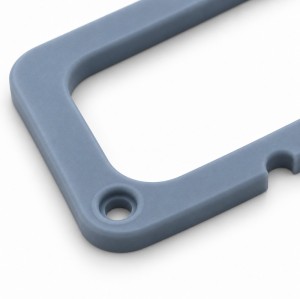
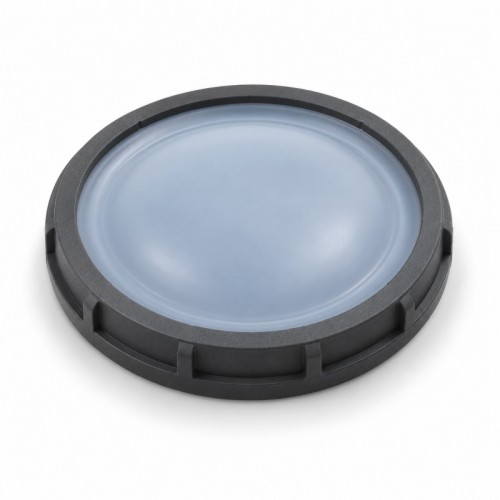
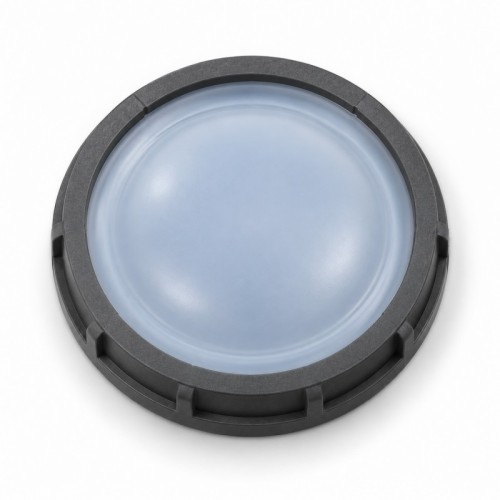
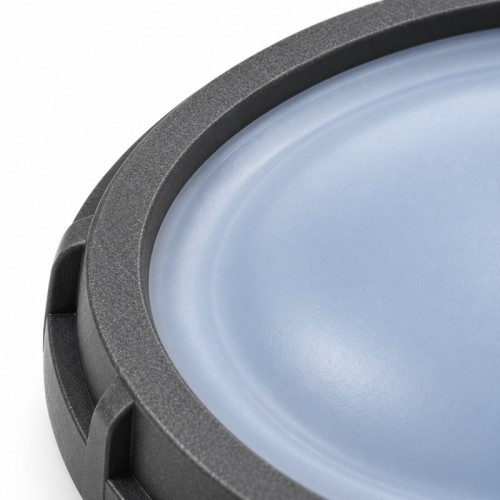
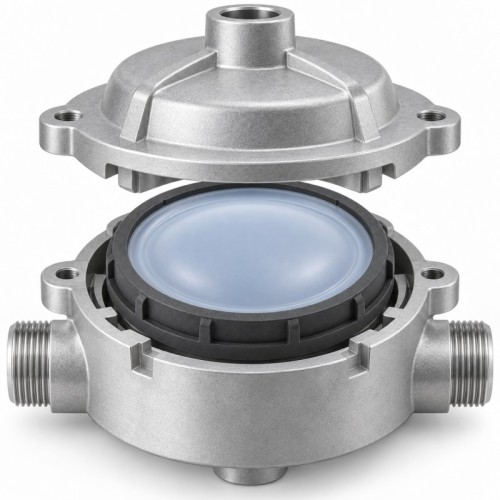
Custom LSR overmolded pressure diaphragms combine a flexible liquid silicone rubber membrane with a rigid PA support frame for pressure-responsive mechanical assemblies.
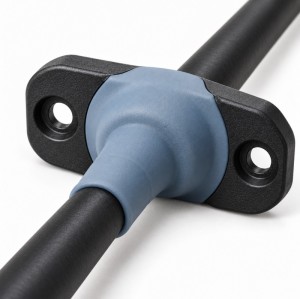
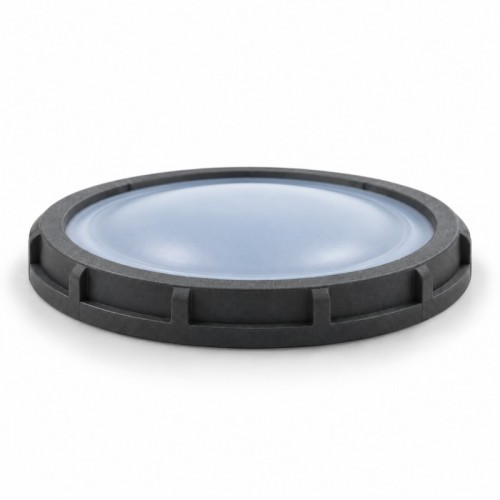
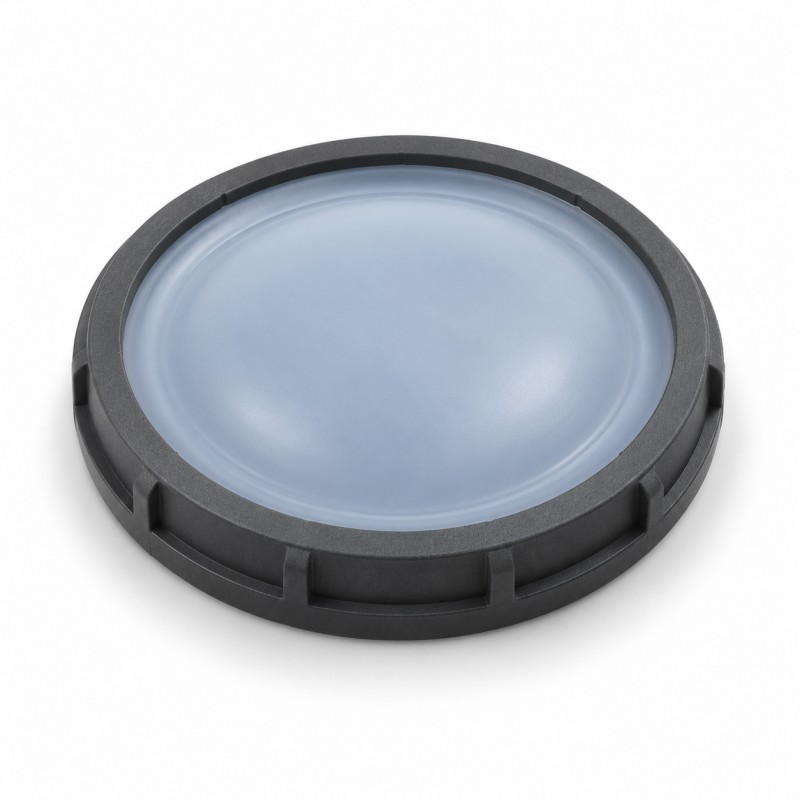
The proposed structure uses a continuous thin silicone membrane supported around its perimeter by an engineering plastic ring. The flexible membrane provides a pressure-responsive surface, while the rigid frame supports positioning and handling during assembly.
Compared with separately fitting a loose membrane into a support ring, an integrated overmolded design can reduce membrane misalignment and simplify component handling when the material interface and molding process are properly developed.
SiliconePlus provides drawing-based LSR overmolding services, including substrate evaluation, DFM review, tooling development, prototype sampling and custom production.
This is a custom manufacturing concept rather than a standard pressure-rated diaphragm. The final membrane design, material suitability and functional performance must be confirmed against the customer's application requirements.
Why Integrate an LSR Diaphragm with a Plastic Support Frame?
Pressure-responsive diaphragms need to deform under a defined pressure difference while maintaining stable positioning within the surrounding mechanical assembly.
If a thin flexible membrane is installed separately, assembly challenges may include:
- Membrane misalignment
- Wrinkling during installation
- Uneven perimeter positioning
- Local deformation around the support edge
- Variation in the effective diaphragm area
- Handling damage to thin silicone sections
An integrated PA support frame can provide a defined mounting boundary and reduce the need to manually position a separate flexible membrane.
However, integrating the two materials requires careful control of the silicone-to-plastic interface, insert positioning and molding conditions. Bonding or mechanical retention must be validated rather than assumed.
For other silicone-to-plastic manufacturing applications, review our custom silicone overmolding parts.
Continuous LSR Membrane
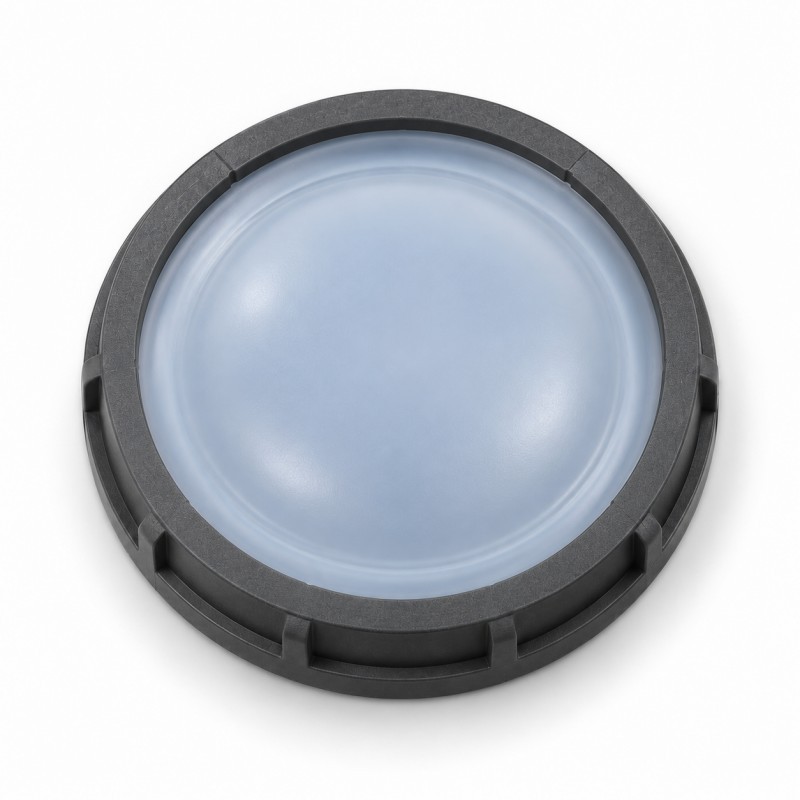
The central LSR membrane forms a continuous flexible pressure-responsive surface. Membrane thickness, effective diameter and edge transition are developed according to the required deformation characteristics.
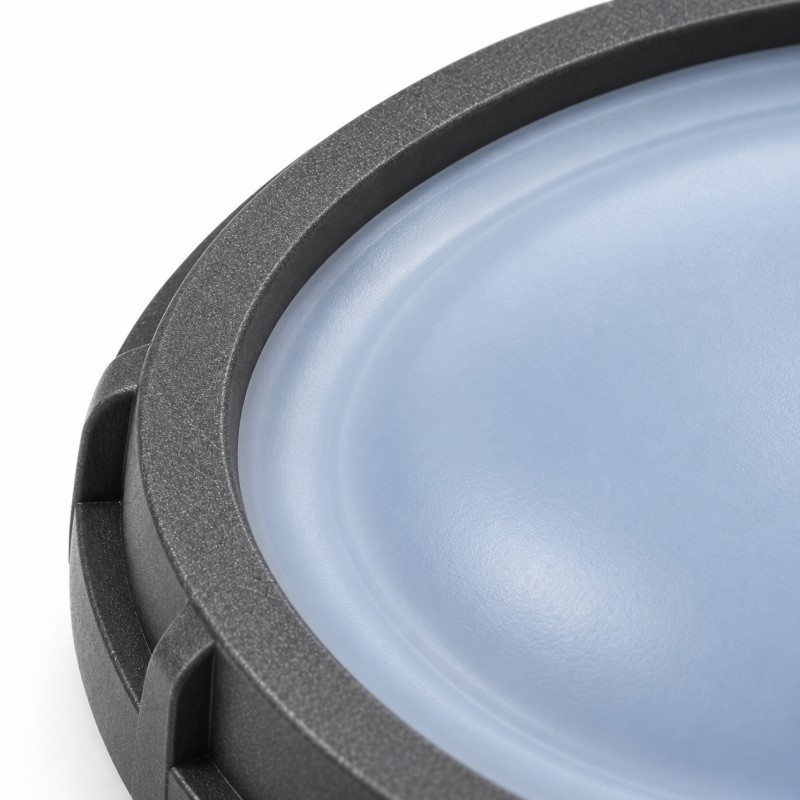
PA Frame and Silicone Interface
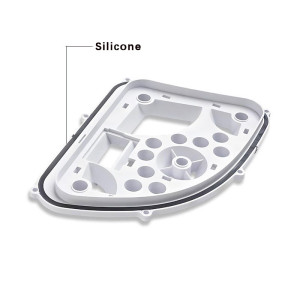
The rigid PA frame supports assembly positioning. The LSR-to-PA interface requires material compatibility evaluation, controlled molding boundaries and suitable bonding or retention design.
Material and Structural Design Requirements
Pressure diaphragm performance depends on the complete material and structural design rather than silicone hardness alone.
Key project requirements include:
- Effective membrane diameter
- Membrane thickness and uniformity
- Required pressure response
- Allowable diaphragm deflection
- PA substrate grade and heat resistance
- Silicone material and hardness
- Silicone-to-plastic bonding or retention
- Membrane edge transition
- Mating housing geometry
- Assembly positioning tolerance
- Operating temperature
- Exposure to the relevant gas or liquid medium
- Fatigue and repeated-pressure-cycle requirements
- Required functional validation
A thin membrane may offer higher pressure sensitivity, but excessive thinning can create molding, handling and durability risks.
During DFM review, the PA substrate must be checked for compatibility with the LSR molding process. The final material combination and manufacturing method should be selected only after evaluating the customer's design.
For related industrial electronics projects involving different sealing structures, review our LSR overmolded sensor sealing components.
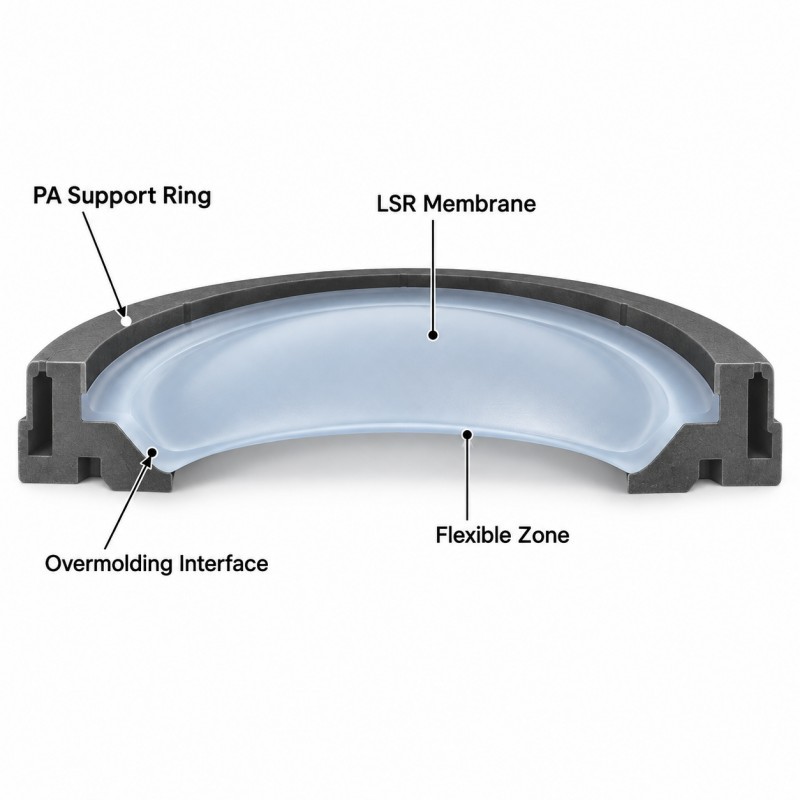
Membrane Cross-Section and DFM Review
The cross-sectional design of an LSR pressure diaphragm is critical to molding feasibility and functional consistency.
During DFM review, engineers evaluate:
- PA insert positioning
- Effective membrane area
- Membrane-to-frame transition
- LSR flow and cavity filling
- Mold alignment
- Gate and vent locations
- Mold shut-off surfaces
- Flash control
- Demolding direction
- Silicone-to-PA interface integrity
- Dimensional inspection requirements
The central membrane must remain continuous and free from unintended holes, tears, folds or excessive flash.
In addition to dimensional inspection, representative samples should be evaluated for the required pressure response and cycling behavior.
Thin LSR membranes can be particularly sensitive to filling and demolding conditions. For further engineering guidance, review our LSR demolding defects guide.
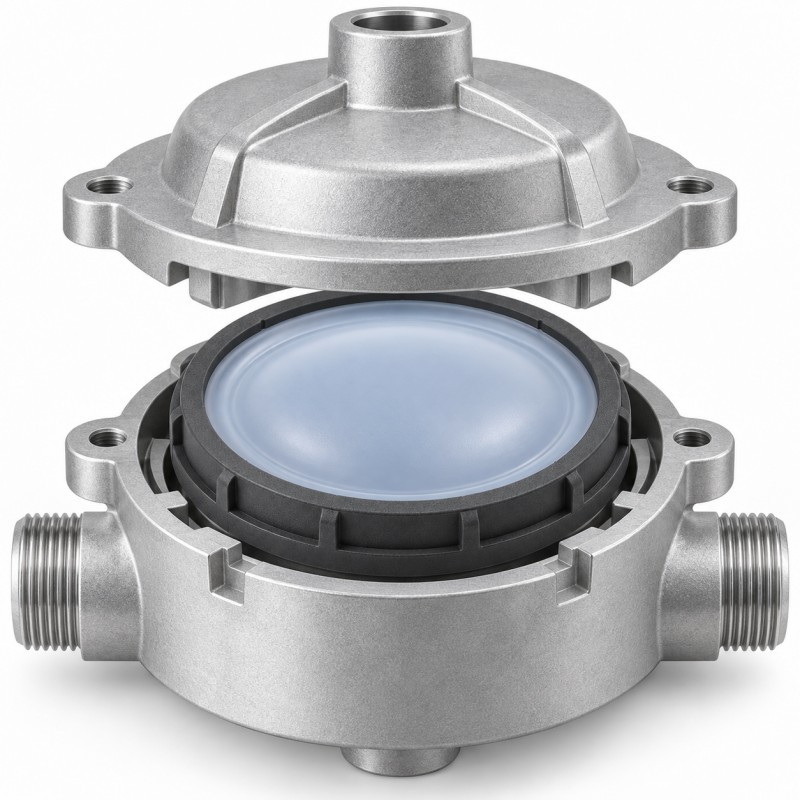
Typical Applications and Customization
Custom PA-supported LSR diaphragms may be evaluated for industrial assemblies that require a flexible membrane to respond to a pressure difference.
Potential application categories include:
- Industrial pressure regulation mechanisms
- Pneumatic control assemblies
- Pressure-responsive mechanical switches
- Small fluid-control devices
- Custom monitoring and actuation mechanisms
These are potential engineering applications, not claims of validated compatibility with every medium or device.
Customization can include membrane diameter, frame geometry, silicone thickness, edge transition, PA material, silicone compound, assembly interface and required functional response.
Where the diaphragm contacts gas, coolant, oil or another working medium, material compatibility must be evaluated under the actual operating conditions.
SiliconePlus focuses on manufacturing the custom LSR and plastic component. The complete pressure regulator, sensor or finished control system remains the customer's final assembly.
For broader industrial silicone components and manufacturing options, review our industrial silicone overmolding parts.
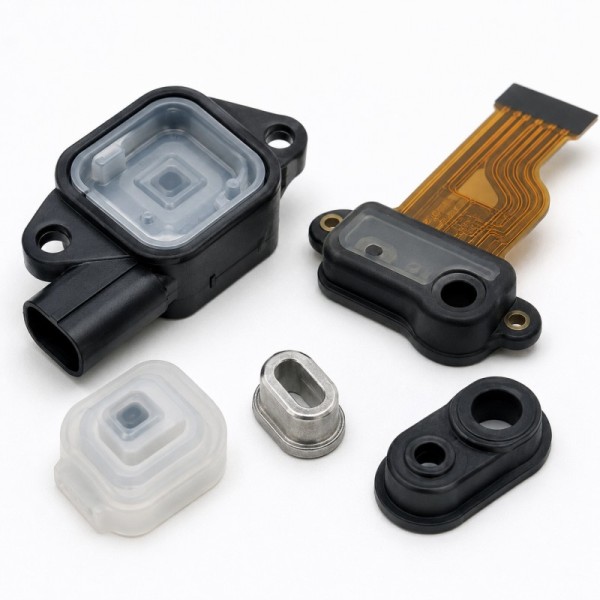
Custom LSR overmolded sensor sealing components for automotive, electronic, wearable and industrial sensor applications. OEM/ODM factory, MOQ 500 pcs.
Custom silicone overmolded industrial parts manufacturer specializing in over plastic LSR components for applications.
Start Your Custom LSR Diaphragm Project
To request a quotation, please send us your 2D/3D drawing, diaphragm dimensions, PA substrate information, membrane geometry, pressure-response requirements, operating medium, application temperature and estimated order quantity.
Our engineering team can review material compatibility, LSR overmolding feasibility, bonding or retention design, tooling requirements and prototype validation needs.
We provide custom LSR molding and overmolding services based on project requirements. Final diaphragm performance must be verified before mass production.