Custom Automotive Single Wire Seal | LSR Silicone Connector Wire Seal
Item specifics
- Product Type
- Automotive Single Wire Seal (SWS)
- Material
- Liquid Silicone Rubber (LSR)
- Seal Structure
- Multi-Lip Cylindrical Wire Seal
- Wire Passage
- Customized to Cable Outer Diameter
- Cavity Fit
- Customized to Connector Cavity
- Molding Process
- LSR Injection Molding
- Application
- Automotive Connector / Wire Harness
- Custom Input
- Drawing / Sample / Wire OD / Cavity Dimensions
Review
Description
Product Overview
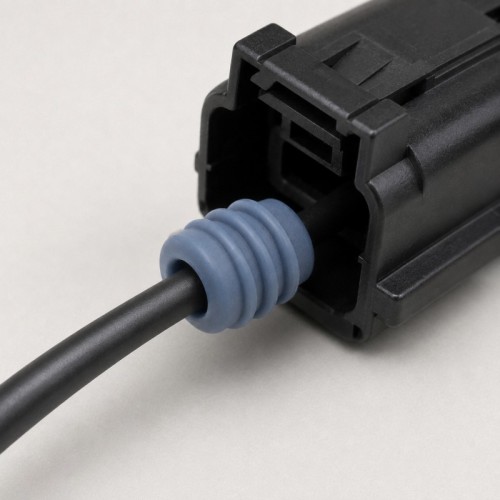
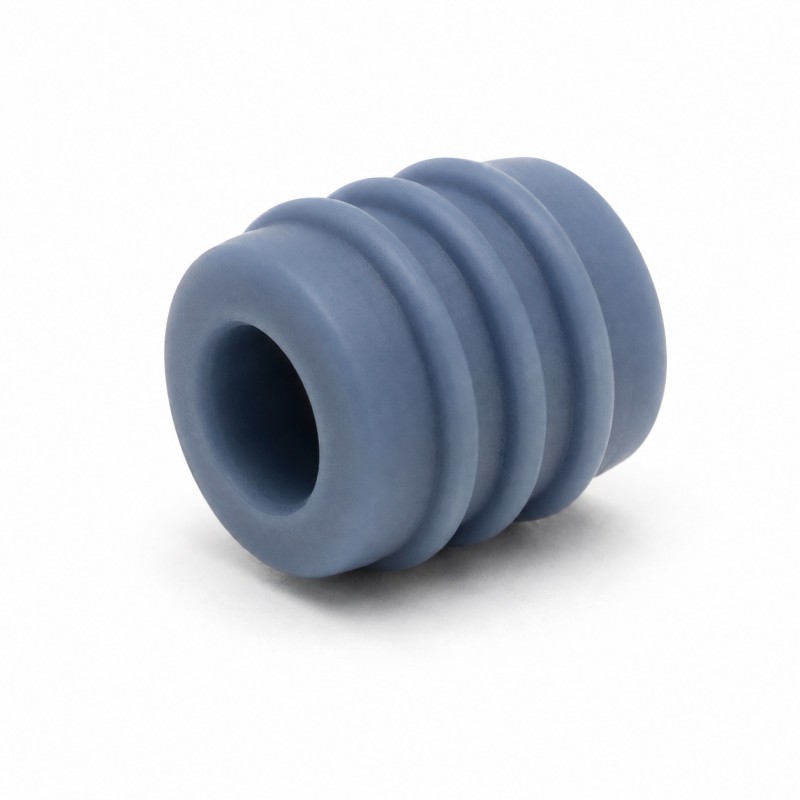
Automotive single wire seals (SWS) are precision silicone sealing components used around individual wires entering sealed automotive electrical connectors.
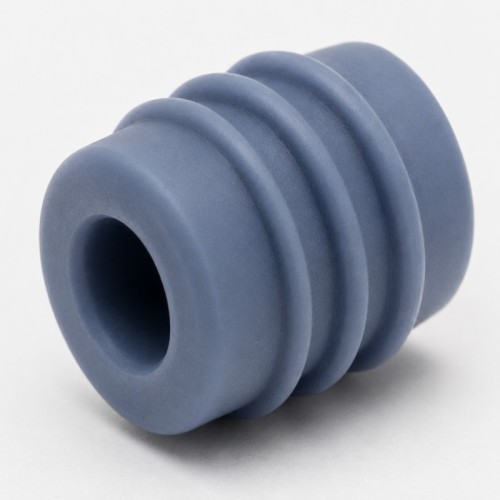
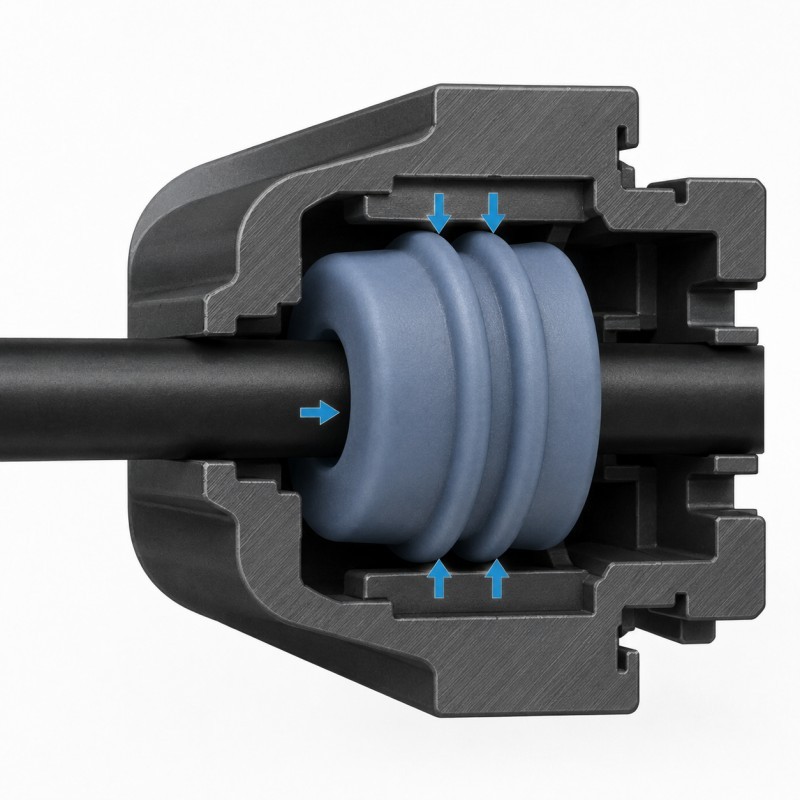
The seal is typically molded from liquid silicone rubber and installed onto the wire before terminal insertion into the connector cavity. Its central passage seals against the cable insulation, while the outer sealing lips contact the connector cavity to help prevent moisture, dust and contaminants from entering the connector.
Each single wire seal is customized according to wire diameter, connector cavity geometry, terminal structure, assembly force and sealing requirements. Standard stock dimensions are not supplied unless specifically agreed for a project.
Why Use a Multi-Lip Single Wire Seal
A multi-lip single wire seal provides several controlled sealing contact zones within a compact connector cavity. The outer sealing lips contact the cavity wall, while the central wire passage forms a sealing interface around the cable insulation.
Multiple sealing lips can provide sealing redundancy and help accommodate small dimensional variations, but the design must also control terminal insertion force and avoid excessive deformation of the silicone.
The final seal geometry should therefore be developed together with the wire outer diameter, cavity diameter, terminal structure and connector assembly conditions.
For broader automotive connector sealing applications, review our custom automotive connector silicone seal solutions and liquid silicone injection molding process.
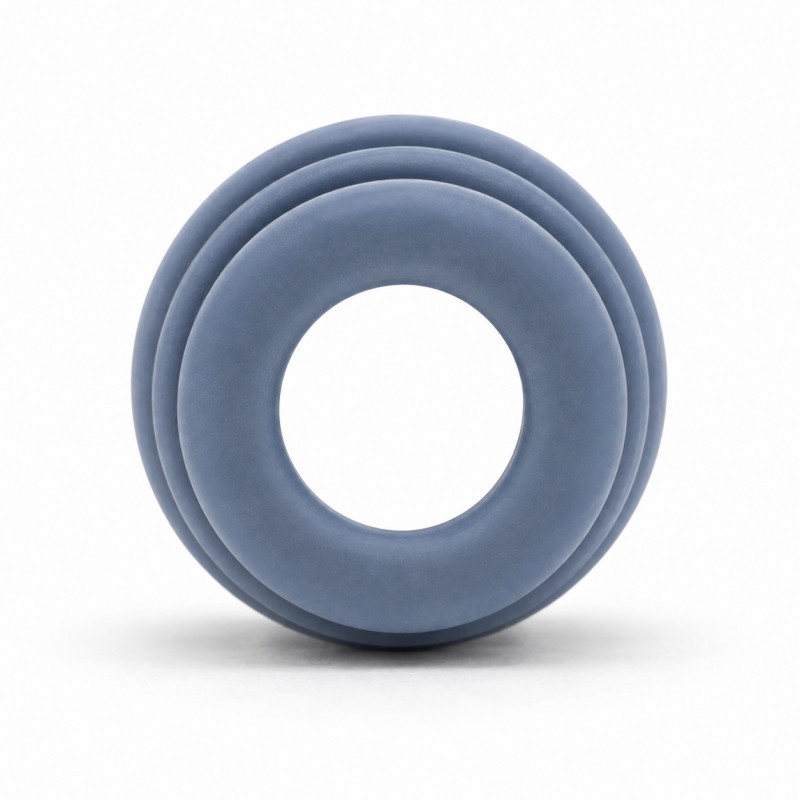
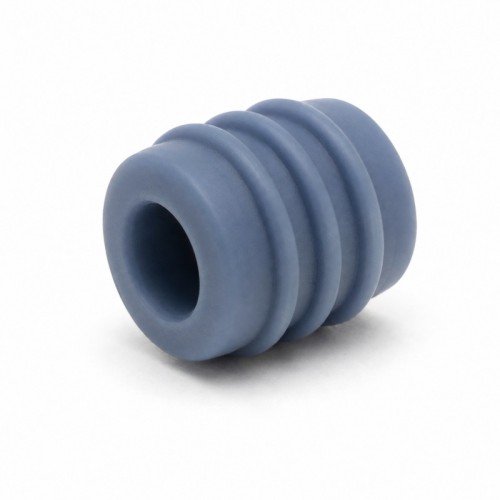
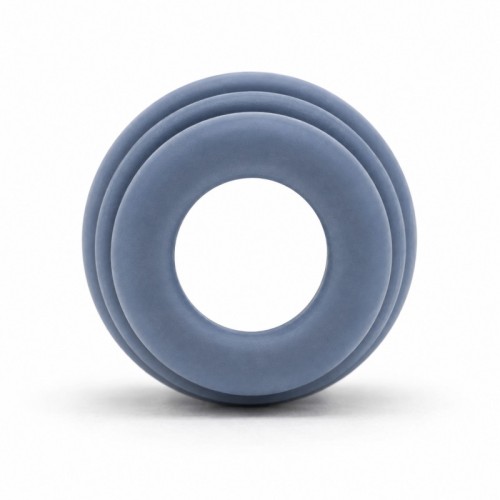
Wire Passage
Front view showing the central wire passage that seals against the insulation diameter of the specified automotive cable.
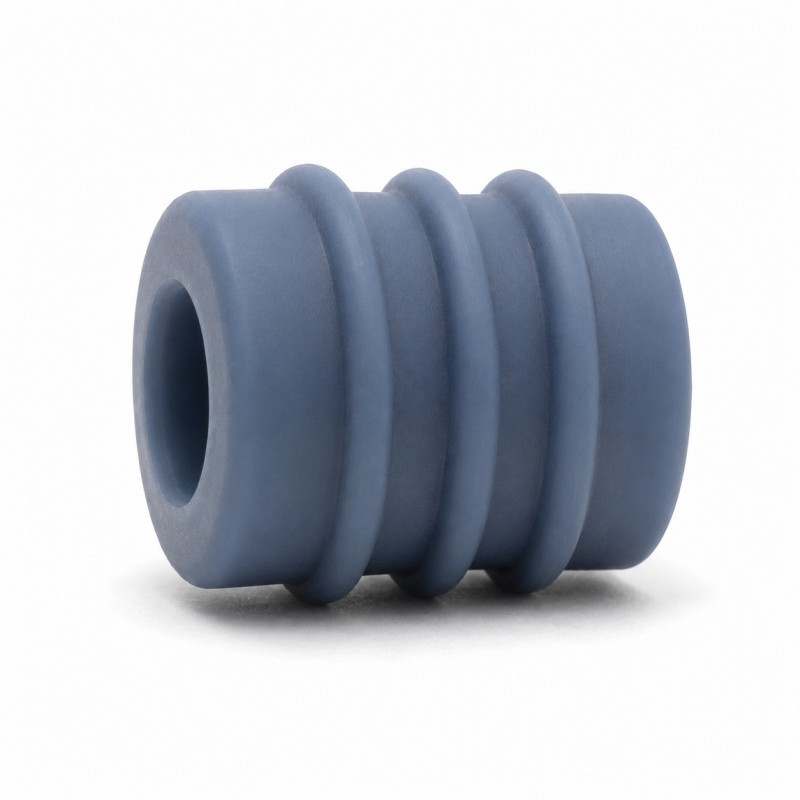
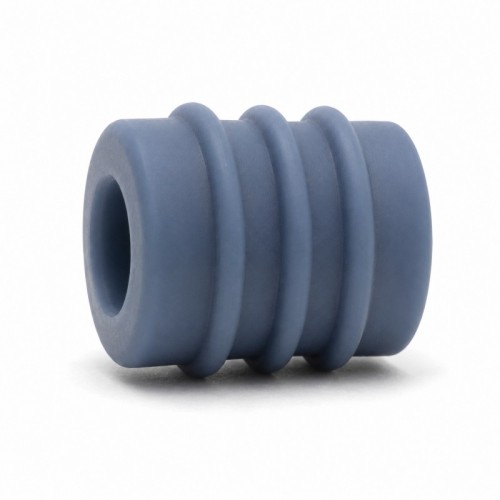
Multi-Lip Seal Profile
Side view showing multiple rounded sealing lips designed to contact the internal wall of the connector cavity.
Material and Seal Structure
Liquid silicone rubber is well suited to precision connector seals because it can reproduce small sealing features while providing elasticity across repeated assembly and environmental exposure.
A typical automotive single wire seal may include:
Central wire passage
Lead-in geometry for wire installation
Multiple external sealing lips
Controlled lip height and spacing
Defined seal-to-wire contact area
Defined seal-to-cavity contact area
Customized overall length and outside diameter
Silicone hardness selected according to assembly requirements
The wire passage must match the specified cable insulation diameter closely enough to create sealing contact without creating excessive assembly force or damaging the cable insulation.
Likewise, the outside sealing profile must be coordinated with the connector cavity rather than designed as an isolated silicone component.
Sealing Interfaces & DFM
Reliable single wire sealing depends on the relationship between the silicone seal, wire insulation, connector cavity and terminal assembly.
During DFM review, key factors may include:
Cable outer diameter
Cable insulation tolerance
Connector cavity diameter
Terminal geometry
Seal inner diameter
Seal outer diameter
Number and geometry of sealing lips
Silicone hardness
Lead-in angle
Insertion force
Lip compression
Mold parting-line position
Flash control
Final connector leak or waterproof testing
Critical flash or parting-line defects on the wire-contact or cavity-contact sealing surfaces can create leakage paths or unstable assembly behavior.
For related engineering principles, review our multi-lip silicone seal design guide.
Typical Applications and Customization
Custom automotive single wire seals can be developed for sealed electrical connector systems used in:
Automotive wire harnesses
EV battery systems
Battery management systems
Automotive sensors
ECU and control modules
Lighting systems
Charging systems
Power distribution systems
Engine compartment connectors
Other sealed vehicle electronics
Customization can include wire diameter, cavity diameter, overall seal dimensions, number of sealing lips, lip profile, silicone hardness, material formulation and color.
To avoid sealing or assembly problems, the seal should be evaluated together with the actual cable, terminal and connector cavity rather than only from a standalone silicone-part drawing.
For connector face-sealing applications, you can also review our automotive connector interface seal solution.
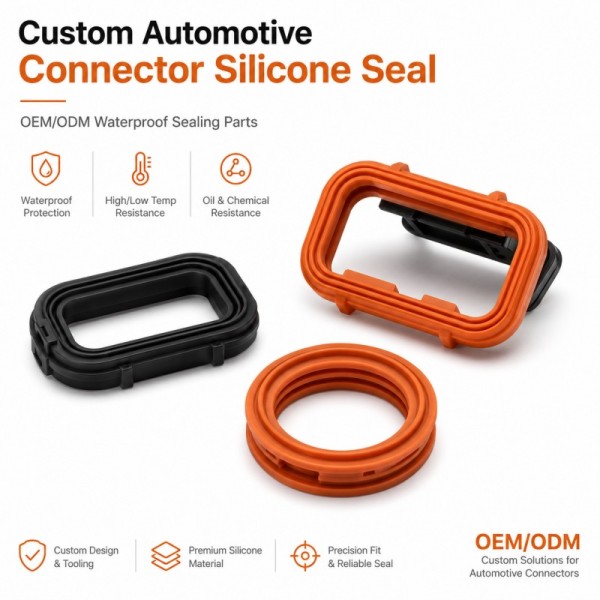
Custom LSR overmolded silicone seals for EV connectors, wire harness and automotive electronics waterproofing.
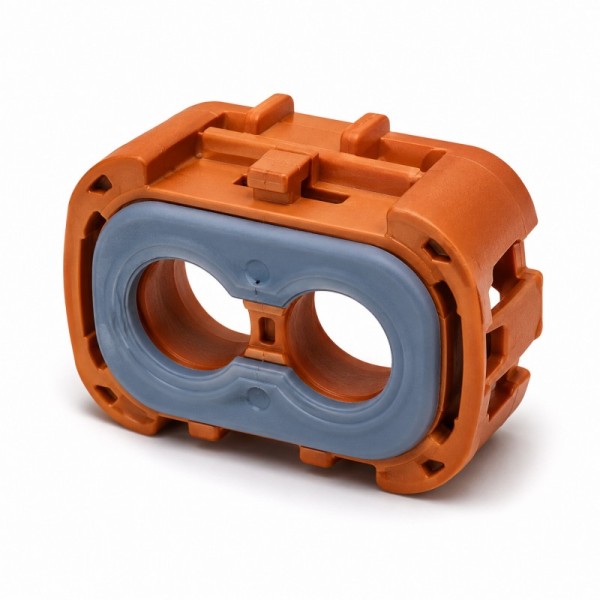
Custom LSR overmolded interface seal for automotive connector housings with controlled face sealing and OEM production.
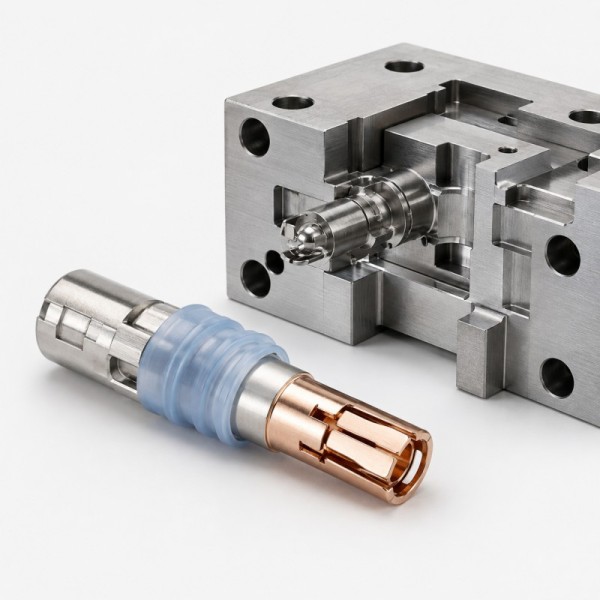
Custom LSR overmolded EV charging terminal seals for charging inlets, supporting waterproofing and electrical protection.
Start Your Automotive Single Wire Seal Project
SiliconePlus supports custom automotive single wire seal development based on your cable, terminal, connector cavity and sealing requirements.
To evaluate your project, please provide the wire outer diameter and tolerance, connector cavity dimensions, terminal drawing, seal drawing or sample, target application, estimated quantity, and relevant environmental or leak-test requirements.
Our engineering team can review the wire-to-seal contact, cavity compression, sealing-lip geometry, material hardness, tooling feasibility and LSR molding process before sampling and mass production.
We provide custom manufacturing only. Final seal dimensions are developed according to project requirements rather than supplied as a universal stock size.