
Custom Thermal Silicone Pad for 800G Optical Module | Transceiver TIM
Item specifics
- Product Type
- Optical Module Thermal Silicone Pad
- Material
- Thermally Conductive Silicone Elastomer
- Application
- 800G / 1.6T Optical Transceiver
- Main Function
- Thermal Interface / Gap Filling / Cushioning
- Molding Process
- Compression Molding / Custom Molded Geometry
- Thickness
- Customized According to Assembly Stack-Up
- Thermal Conductivity
- Customer-Specified Material Grade
- Custom Input
- Drawing / Stack-Up / Thermal Requirement / Sample
Review
Description
Product Overview
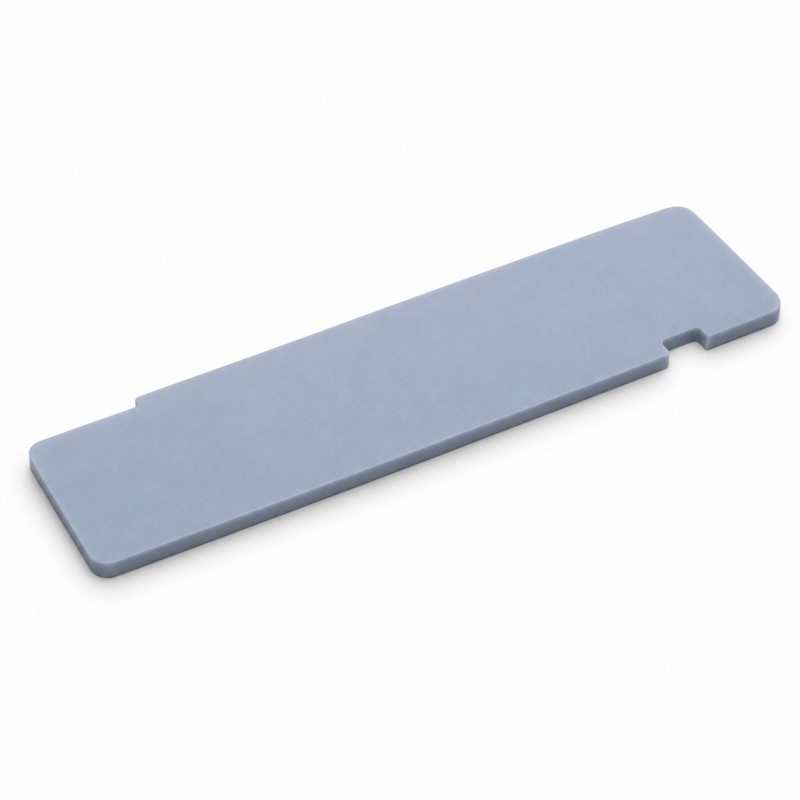
Custom thermal silicone pads for optical modules are designed to create a compliant thermal interface between heat-generating components and the module heat spreader or heat sink.
The silicone elastomer conforms to small surface gaps and tolerance variation while transferring heat away from high-power components. Compared with direct rigid contact, a compliant thermal pad can also help reduce local mechanical stress on sensitive electronic and optical assemblies.
SiliconePlus supports custom pad geometry, thickness, hardness and material-grade selection based on the customer’s optical module layout, thermal requirement and assembly stack-up.
Why Optical Modules Need a Compliant Thermal Interface
High-speed optical modules contain heat-generating electronic components within a very limited mechanical envelope. Small air gaps between a heat source and the heat spreader can increase thermal resistance because air transfers heat much less effectively than a properly designed thermal interface material.
A compliant silicone thermal pad can conform to surface variation while maintaining controlled contact between the heat source and the cooling structure. The design should balance thermal performance with compression force so that sensitive PCB, optical and electronic components are not subjected to unnecessary mechanical load.
For other custom silicone components used in electronic equipment, you can also review our Industrial Silicone Products.
Custom Pad Geometry
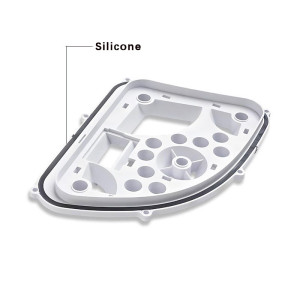
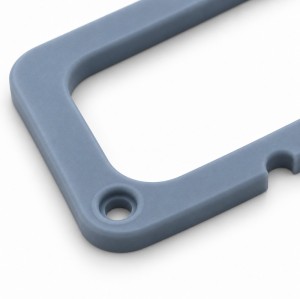
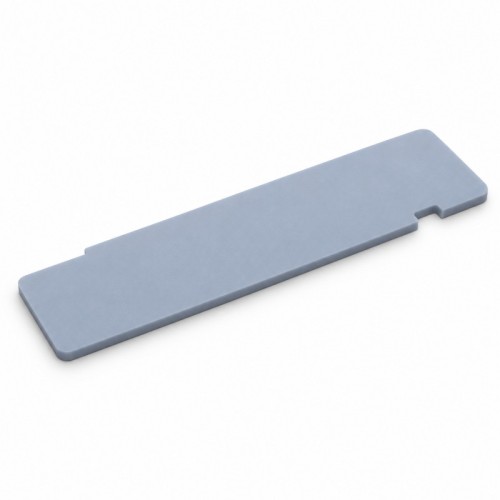
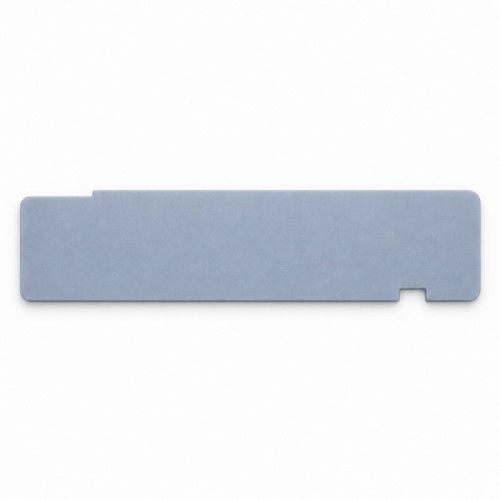
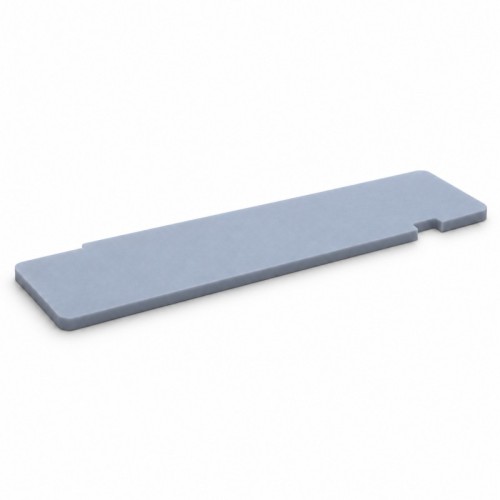
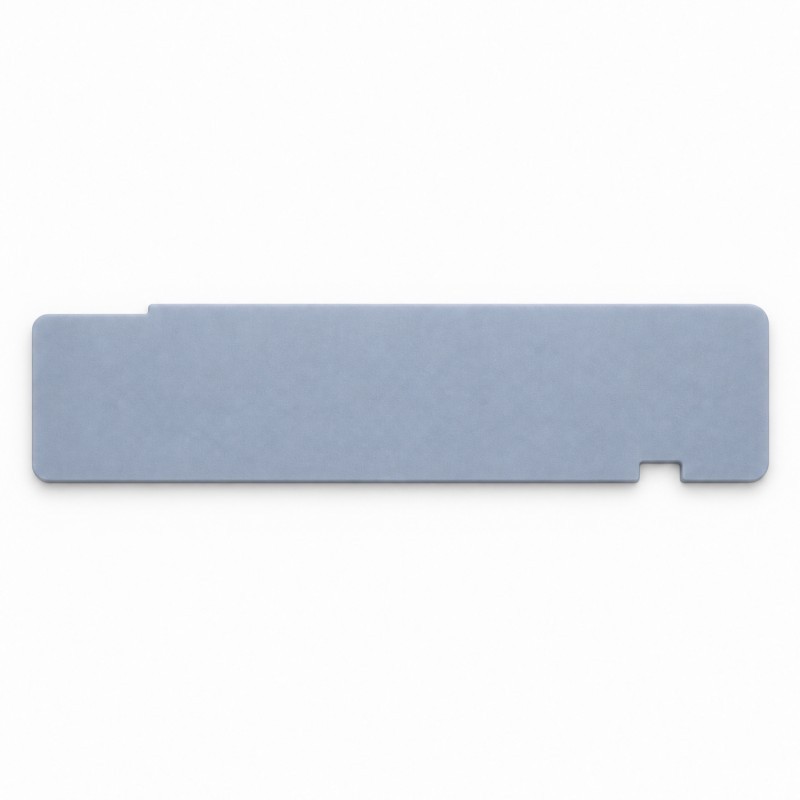
Custom openings, edges and contact areas can be designed according to the optical module heat-source layout and mechanical stack-up.
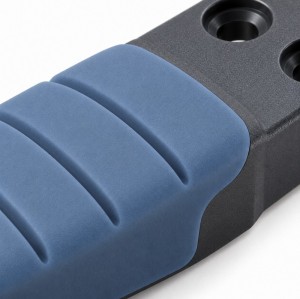
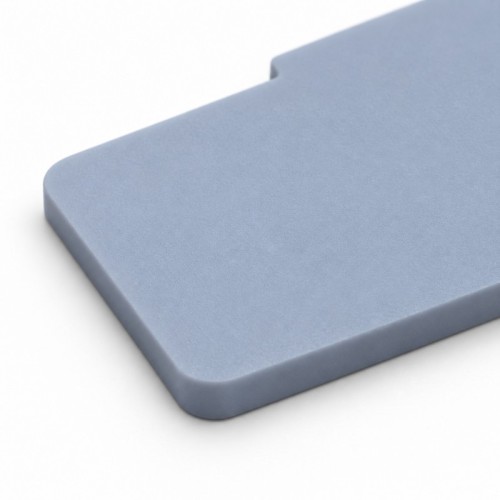
Thermal Pad Surface Detail
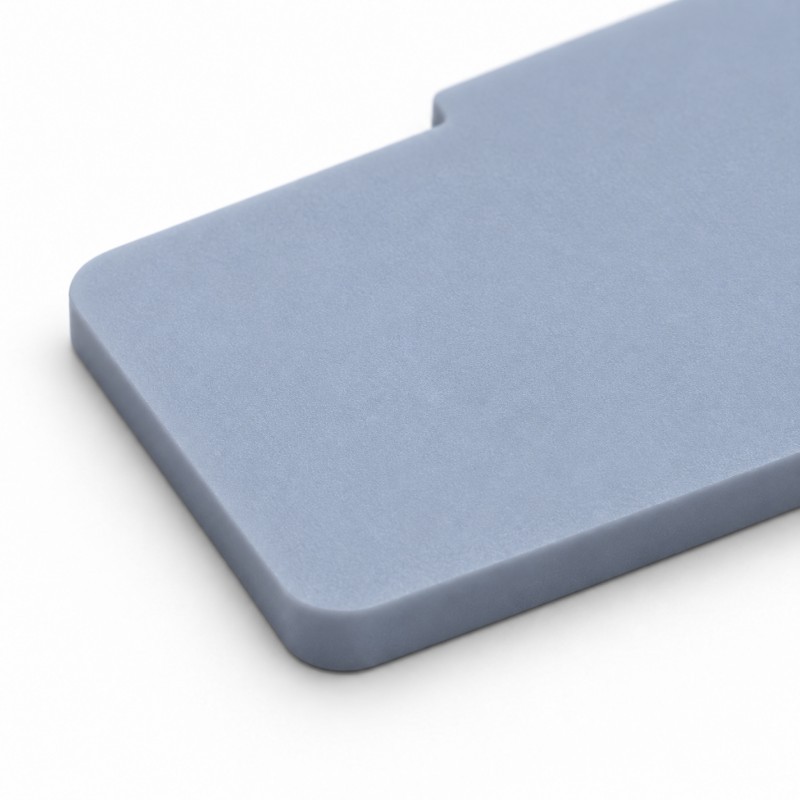
Close-up view showing the compliant silicone surface, molded edge and controlled pad thickness for thermal interface applications.
Material and Design Requirements
A thermal pad for an optical transceiver should be selected according to the complete thermal and mechanical design rather than by thermal conductivity alone.
Key project requirements may include:
Thermal conductivity target
Pad thickness
Compression range
Silicone hardness
Contact area
Electrical insulation requirement
Operating temperature
Compression recovery
Dimensional tolerance
Contamination and cleanliness requirements
Heat-spreader geometry
Assembly pressure
The final material grade should be selected according to the customer’s thermal target and validation requirements. SiliconePlus does not assume a fixed thermal conductivity value for every project.
For electronic assemblies that also require environmental protection, you can review our PCB silicone protection component and FPC silicone overmolding solutions.
Thermal Path & DFM Considerations
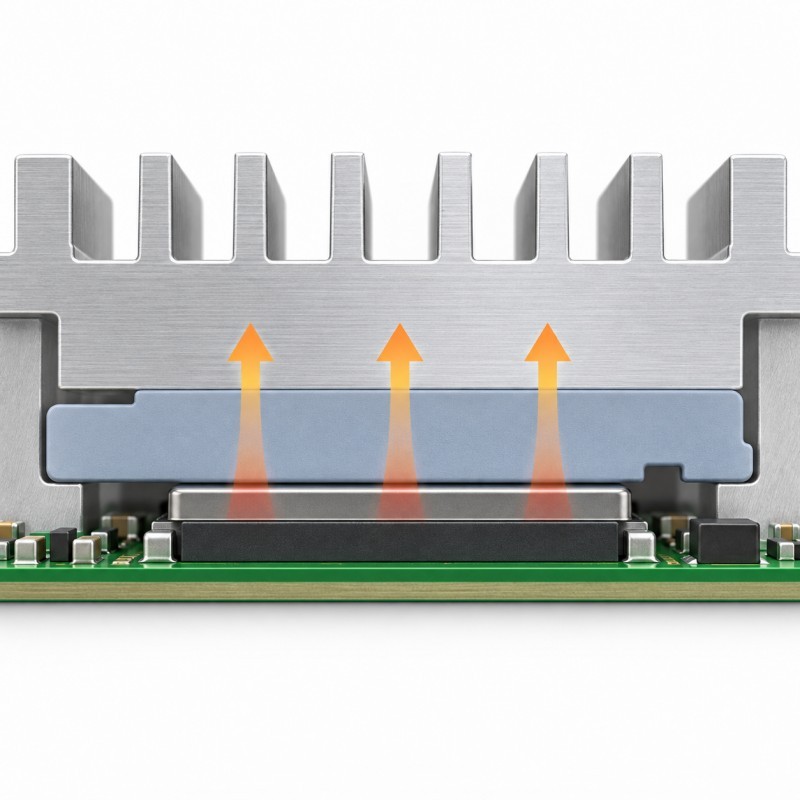
The thermal pad should create a continuous heat-transfer path between the heat-generating surface and the heat spreader without introducing excessive compression stress.
During DFM review, key factors may include:
Heat-source position
Available interface area
Pad thickness and tolerance
Compression percentage
Heat-spreader flatness
Module housing clearance
PCB support condition
Sensitive optical component location
Assembly sequence
Repeated insertion or service conditions
The pad should not interfere with optical paths, connector interfaces, screw locations or other functional areas of the transceiver assembly.
For projects that combine thermal management with molded protection or sealing, you can also review our custom silicone overmolding parts.
Typical Applications and Customization
Custom thermal silicone pads can be developed for heat-management interfaces used in:
800G optical transceiver modules
1.6T optical modules
OSFP module assemblies
QSFP-DD module assemblies
Optical module PCB heat sources
DSP and driver thermal interfaces
Heat spreader interfaces
High-density network equipment
Customization can include pad outline, thickness, contact area, cutouts, stepped geometry, hardness, color, electrical insulation requirement and customer-specified thermal material grade.
The final thermal pad should be evaluated together with the actual module housing, heat spreader, PCB and compression stack-up rather than as an isolated silicone part.
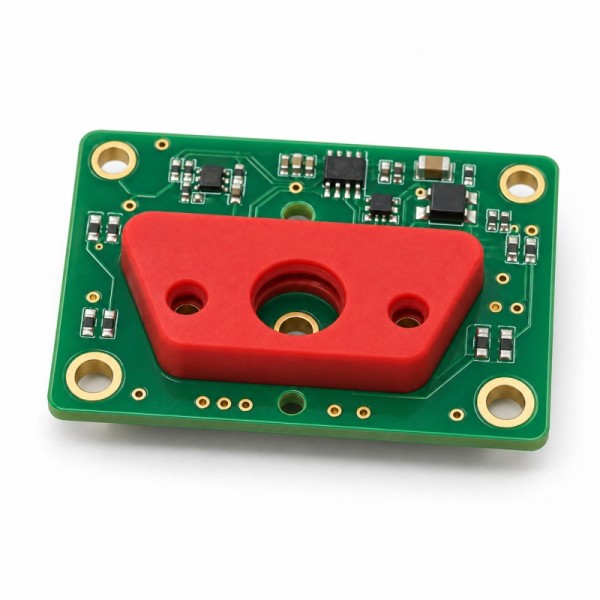
Custom LSR overmolded PCB silicone covers designed for electronic modules and circuit board protection. Silicone overmolding provides waterproof sealing, shock absorption and reliable OEM manufacturing solutions.
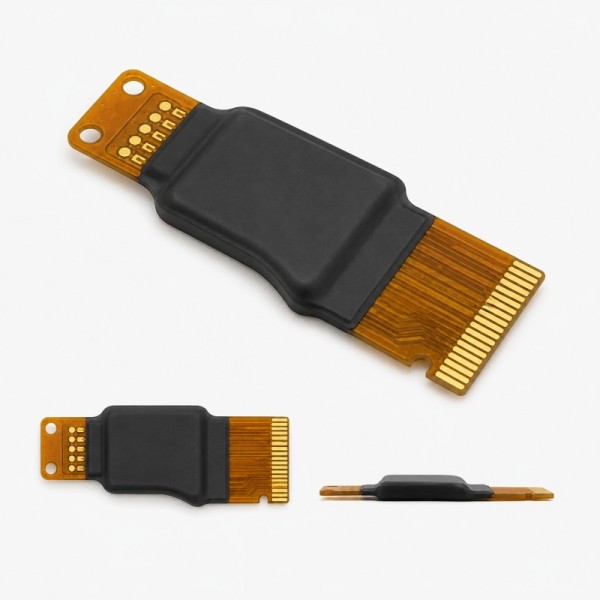
Custom LSR overmolded silicone seals for FPC circuits, wearable sensors and waterproof electronic modules.
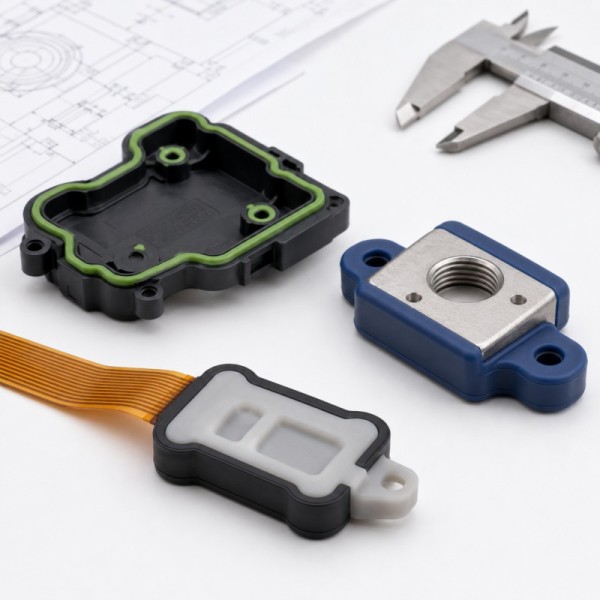
Custom LSR silicone overmolding parts for plastic, metal and FPC substrates. OEM/ODM factory, MOQ 500 pcs.
Start Your Optical Module Thermal Pad Project
SiliconePlus supports custom thermal silicone pad development based on your optical module structure, thermal requirement and mechanical stack-up.
To evaluate your project, please provide your 2D/3D drawing or sample, heat-source location, pad contact area, target thickness, compression requirement, operating temperature, thermal requirement and estimated order quantity.
Our engineering team can review pad geometry, compression space, molding feasibility and assembly conditions before sampling and mass production.
We provide custom manufacturing only. Thermal conductivity and other material properties are determined according to the selected material grade and project requirements.