Custom LSR Overmolded Cable Feedthrough Seal | Liquid Cooling Systems
Item specifics
- Product Type
- LSR Overmolded Cable Feedthrough Seal
- Silicone Material
- Liquid Silicone Rubber (LSR)
- Substrate
- Cable / Wire + Engineering Plastic Carrier
- Molding Process
- LSR Overmolding / Insert Molding
- Main Function
- Environmental Sealing / Strain Relief / Cable Positioning
- Application
- Liquid Cooling Equipment / CDU / Electronic Enclosure
- Sealing Position
- Electrical Feedthrough / Cable Entry
- Coolant Exposure
- Material Compatibility Requires Project-Specific Validation
- Custom Input
- Drawing / Cable Sample / Housing Structure
- Custom Service
- OEM / ODM / Drawing-Based Manufacturing
Review
Description
Product Overview
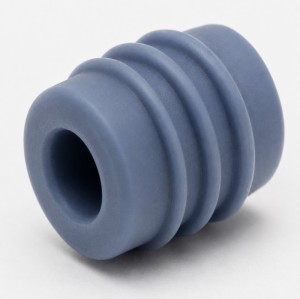
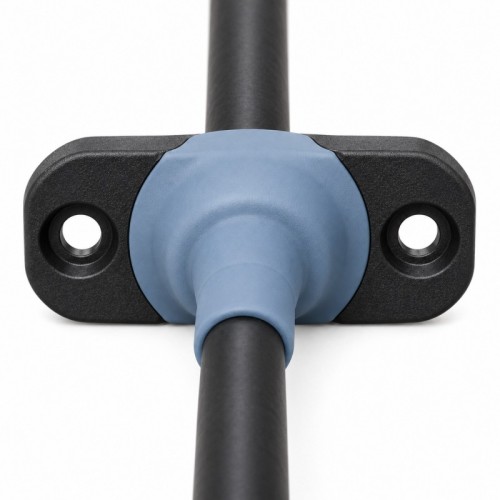
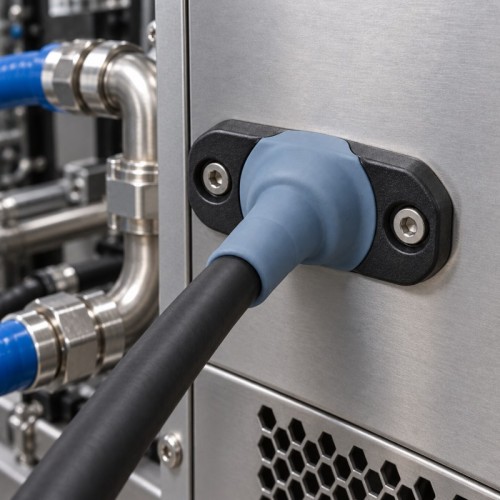
Custom LSR overmolded cable feedthrough seals are designed for electrical cable entries located in or near liquid cooling equipment, electronic enclosures and coolant distribution units.
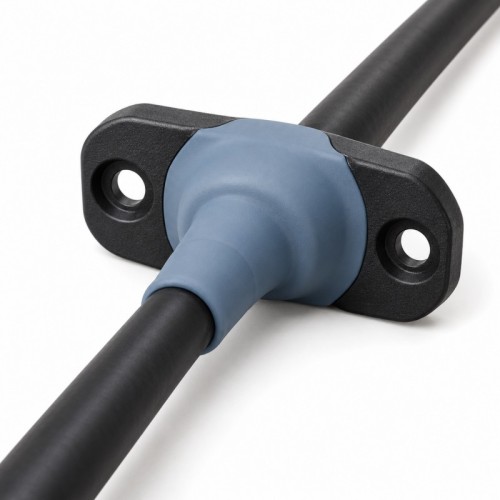
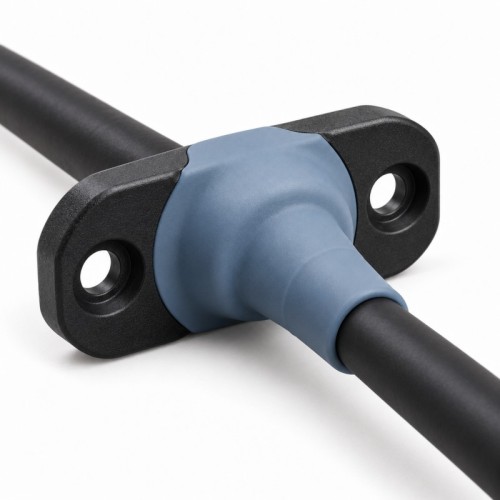
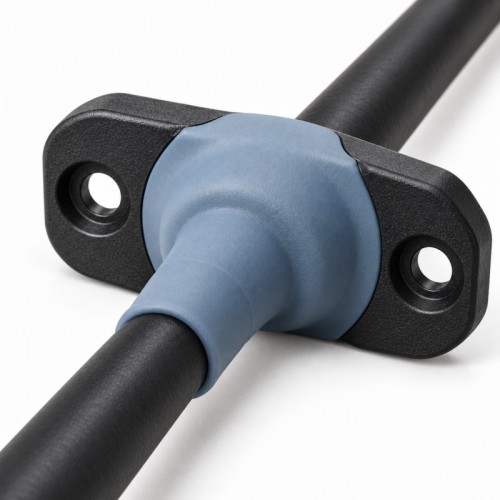
Liquid silicone rubber is molded around the defined cable and plastic carrier area to create an integrated transition that supports environmental sealing, cable positioning and strain relief.
This component is intended to protect the electrical feedthrough or cable entry from moisture, condensation, dust and unintended fluid exposure. It should not automatically be treated as the primary seal for a pressurized coolant circuit.
SiliconePlus supports custom development based on the customer’s cable sample, housing structure, cable diameter, silicone coverage area and validation requirements.
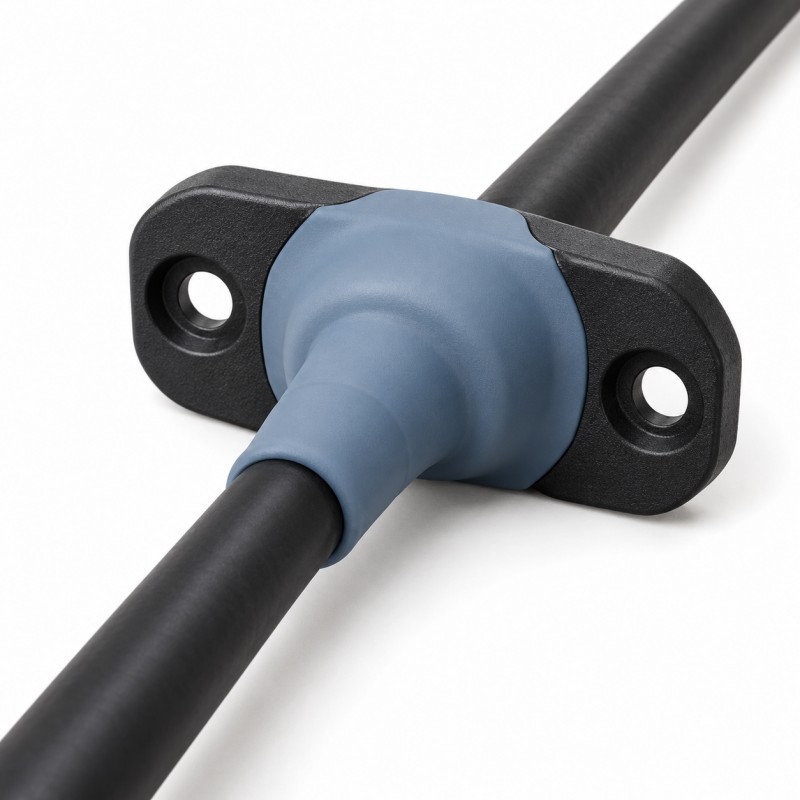
Why Cable Feedthrough Sealing Matters in Liquid Cooling Equipment
Liquid cooling equipment may place monitoring cables, sensor wiring, power cables and control interfaces close to cold plates, manifolds, pumps and coolant-carrying components.
At these cable exits, repeated bending, pulling, vibration, condensation or secondary fluid exposure can disturb the sealing interface and transfer mechanical stress to the cable root or internal terminals.
An integrated LSR cable feedthrough seal can combine environmental sealing with a controlled flexible transition between the cable and the rigid housing.
For a detailed engineering discussion of this application, review our liquid cooling cable grommet design guide.
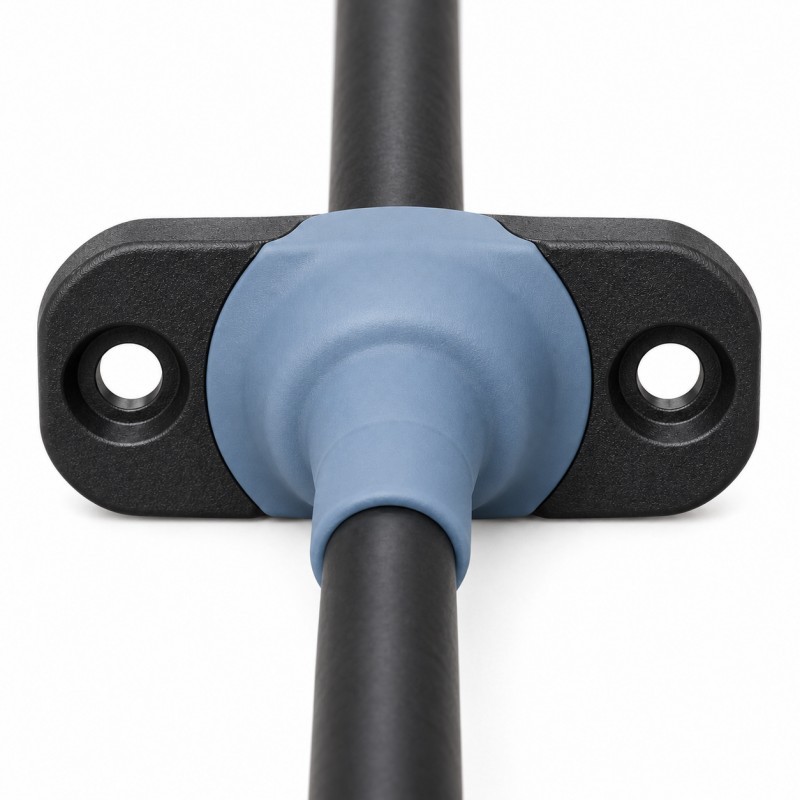
Cable Entry Sealing Structure
The sealing geometry is designed around the cable diameter, housing opening and assembly direction so that the silicone maintains controlled contact at the electrical feedthrough.
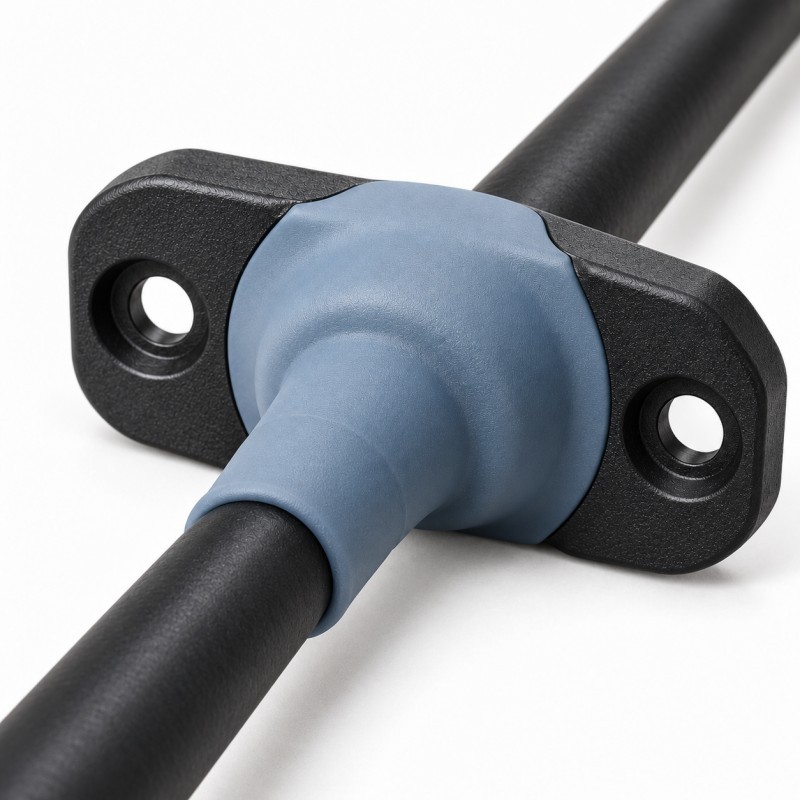
LSR Overmolded Transition
The flexible silicone transition can be customized to manage local cable movement while keeping connector contacts, mounting surfaces and other functional areas free of silicone.
Material and Structural Design Requirements
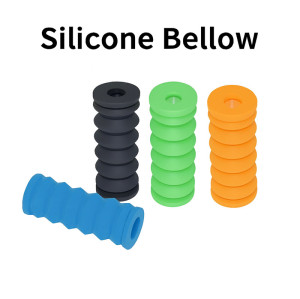
A cable feedthrough seal should be developed around the complete cable-and-housing assembly rather than treated as a generic silicone sleeve.
Key project information may include:
- Cable outside diameter and tolerance
- Cable jacket material
- Plastic carrier material
- Housing opening geometry
- Silicone coverage area
- Sealing lip geometry
- Cable bending direction
- Pull and strain-relief requirement
- Insert positioning
- Mold shut-off boundary
- Silicone hardness
- Environmental exposure
- Required validation method
Cable jacket compatibility must be reviewed before direct LSR overmolding because different cable materials and surface conditions can behave differently during molding and long-term use.
For projects where bending protection is also a major requirement, you can review our LSR overmolded cable strain relief solution.
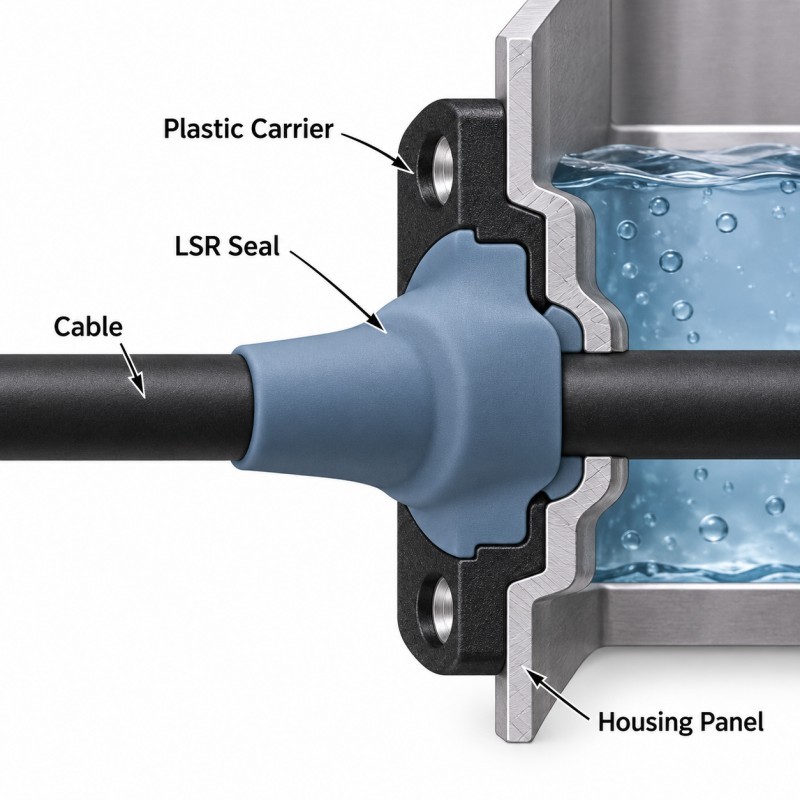
Feedthrough Cross-Section and DFM Review
The feedthrough structure should clearly separate the cable-entry protection boundary from the primary coolant containment boundary.
During DFM review, engineers should check cable position, silicone thickness, rigid support, mold shut-off, deformation space and functional keep-out areas.
The LSR overmold must not cover electrical contacts, grounding surfaces, connector mating faces, mounting holes or fluid ports outside the defined sealing zone.
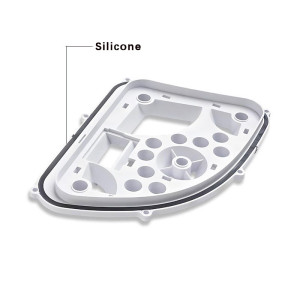
If the same enclosure also requires a perimeter seal, review our electronic housing waterproof silicone gasket.
Typical Applications and Customization
Custom LSR cable feedthrough seals can be developed for electrical entry points used in:
- Data center liquid cooling equipment
- Coolant distribution units (CDUs)
- Pump and monitoring assemblies
- Sensor cable exits
- Electronic control enclosures
- Power and control cable entries
- Industrial thermal-management equipment
Customization can include cable diameter, plastic carrier geometry, silicone coverage length, sealing lip profile, strain-relief geometry, hardness, color and assembly interface.
Where coolant contact is possible, the actual coolant type, concentration, temperature and exposure condition should be provided so material compatibility can be evaluated for the specific project.
For the primary sealing boundary of a cold plate, you can separately review our cold plate silicone gasket.
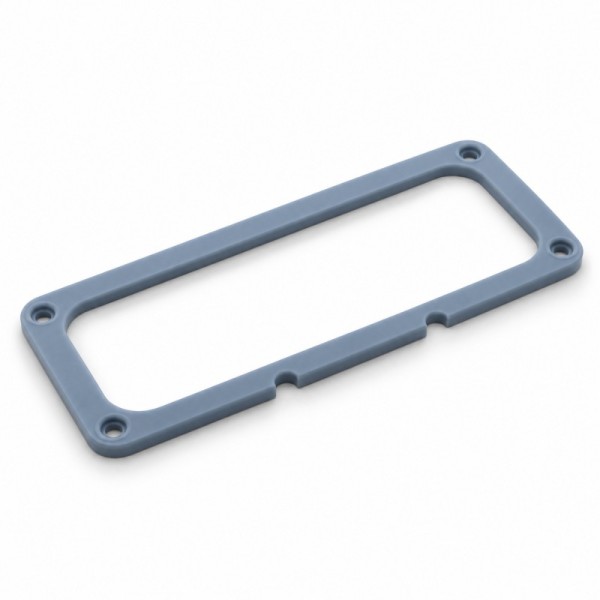
Custom cold plate silicone gaskets for liquid cooling systems, supporting perimeter sealing, leak prevention and OEM manufacturing.
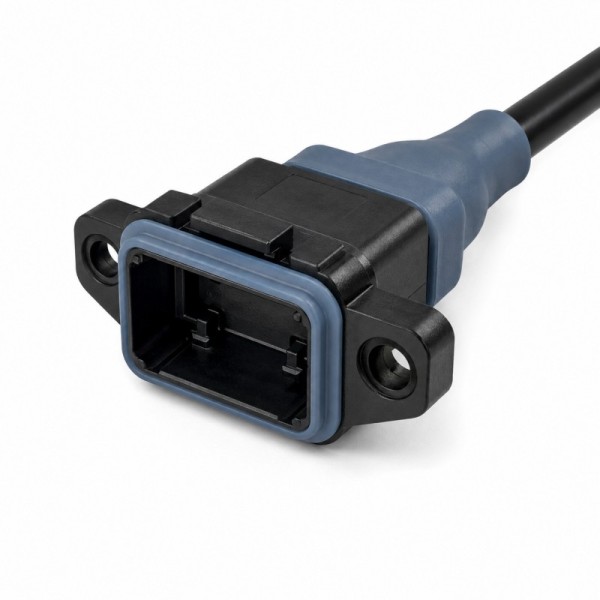
Custom LSR overmolded cable strain relief seals for wire harness waterproofing, vibration protection and OEM cable entry sealing projects.
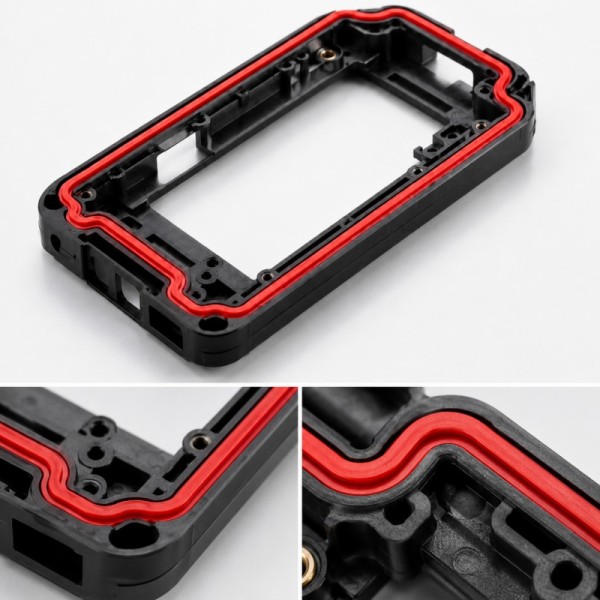
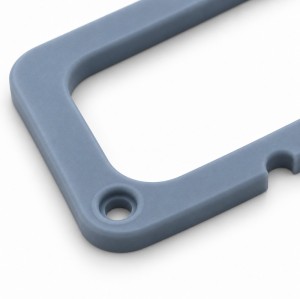
Custom LSR overmolded silicone gaskets for waterproof electronic housings and 3C enclosure sealing.
Start Your Cable Feedthrough Seal Project
To request a quotation, please send us your 2D/3D drawing, cable sample, cable diameter, jacket material, housing structure, silicone coverage area, sealing and strain-relief requirements, operating conditions and estimated order quantity.
If the component may be exposed to coolant, please also provide the coolant type, concentration, exposure method and operating temperature.
Our engineering team can support DFM review, tooling development, sampling and custom LSR overmolding production.