Why Do Silicone Overmolded Parts Fail Waterproof Testing?
- Share
- publisher
- SiliconePlus Engineering Team
- Issue Time
- Sep 10,2026
Summary
Waterproof failure is one of the most critical risks in silicone overmolding applications. This article explains common causes of leakage in silicone overmolded parts, including sealing structure design, silicone coverage, mold control, and validation methods before mass production.
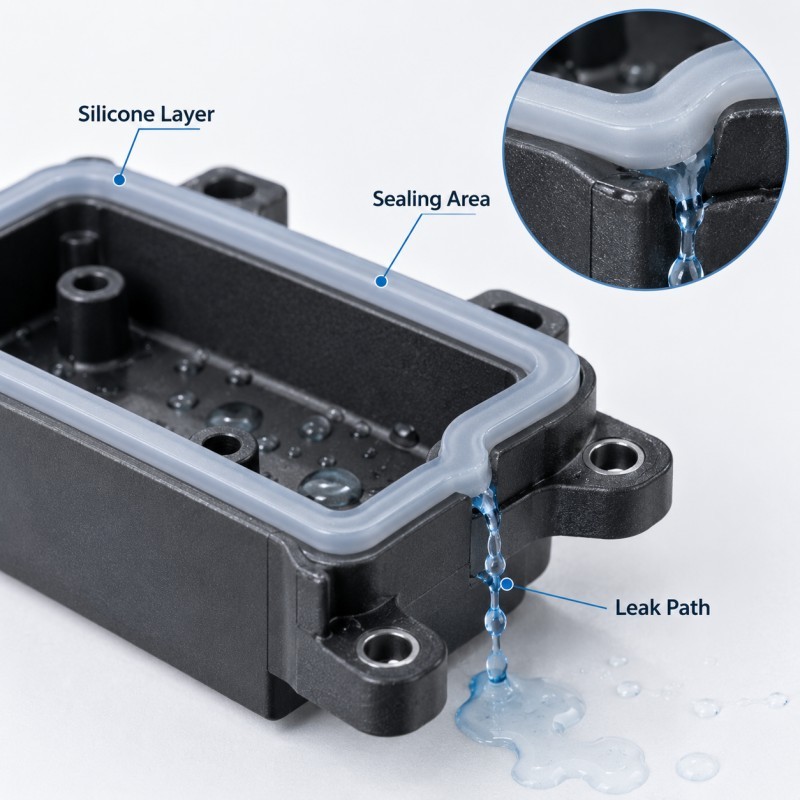
Silicone overmolding is widely used for waterproof protection in automotive electronics, EV components, sensors, wearable devices, and consumer electronics.
By combining silicone with plastic, metal, or FPC substrates, manufacturers can create integrated components with flexible sealing performance.
However, some silicone overmolded parts may fail waterproof testing after assembly or during product validation.
Common symptoms include:
• Water leakage during pressure testing
• Moisture entering protected areas
• Reduced sealing performance after aging tests
• Failure after temperature cycling
Waterproof problems usually come from design, tooling, material bonding, or process control issues.
Common Causes of Waterproof Failure in Silicone Overmolding
Several factors can affect waterproof performance in silicone overmolded components.
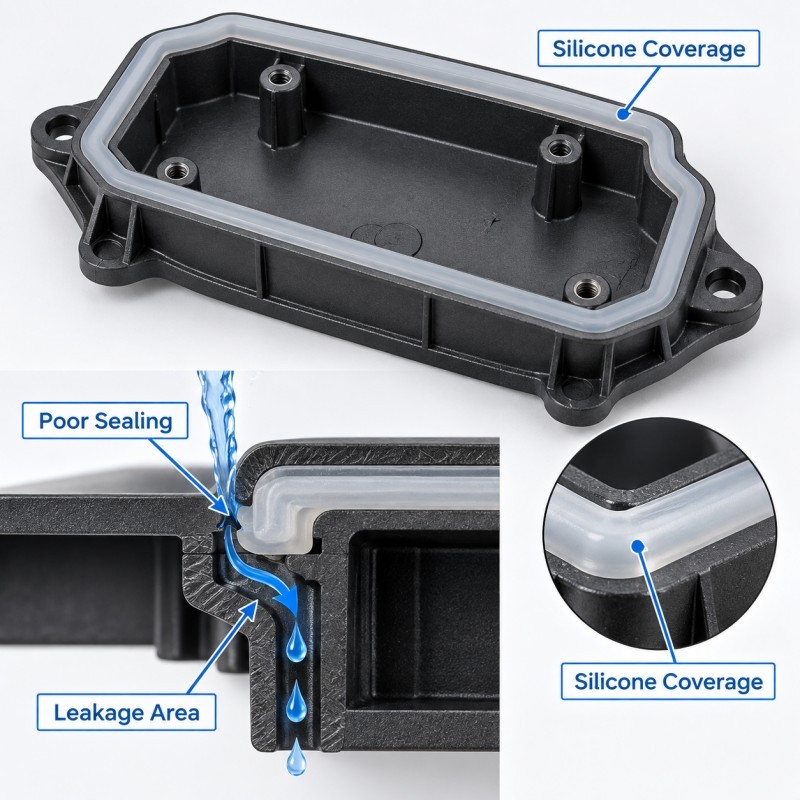
Poor Silicone Sealing Structure
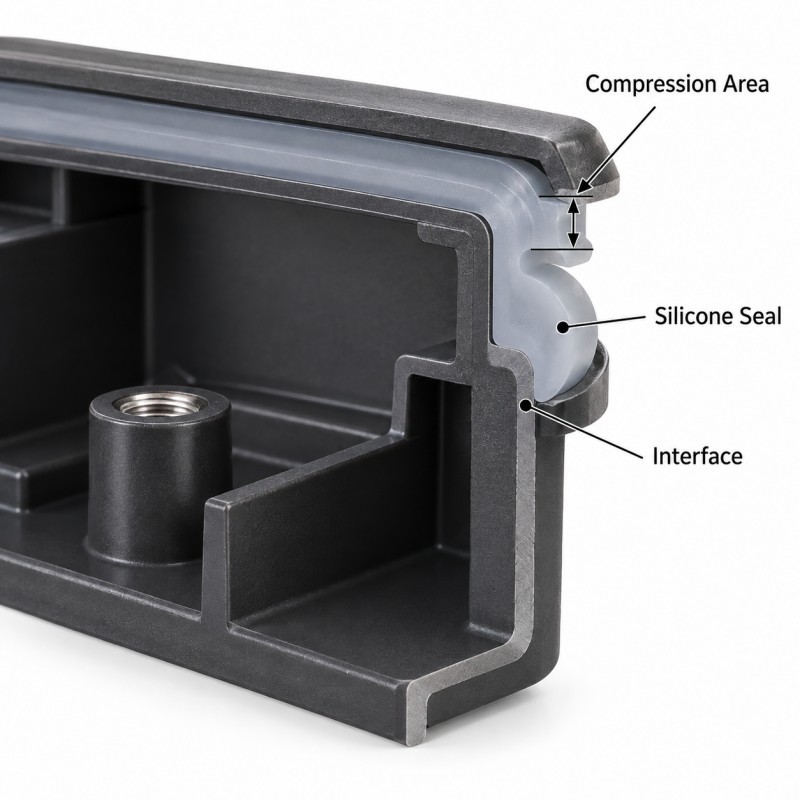
The silicone sealing area must provide sufficient compression and stable contact with the mating component.
Insufficient sealing height, uneven compression, or incorrect sealing geometry may create leakage paths.
Incomplete Silicone Coverage
For silicone over plastic or silicone over metal applications, the silicone layer must cover the designed waterproof area correctly.
Missing coverage or inconsistent silicone thickness can reduce sealing reliability.
Insert Position Variation
During insert molding, small position deviations may affect the final sealing interface.
Accurate insert positioning is especially important for connectors, sensors, and electronic components.
How Does Mold Design Affect Waterproof Performance?
Mold design directly influences silicone sealing quality during production.
Important mold considerations include:
• Accurate shut-off structure
• Stable silicone flow control
• Proper venting design
• Consistent silicone thickness
• Reliable insert positioning
A well-designed mold helps maintain sealing performance during high-volume production.
How Can Engineers Validate Waterproof Silicone Parts?
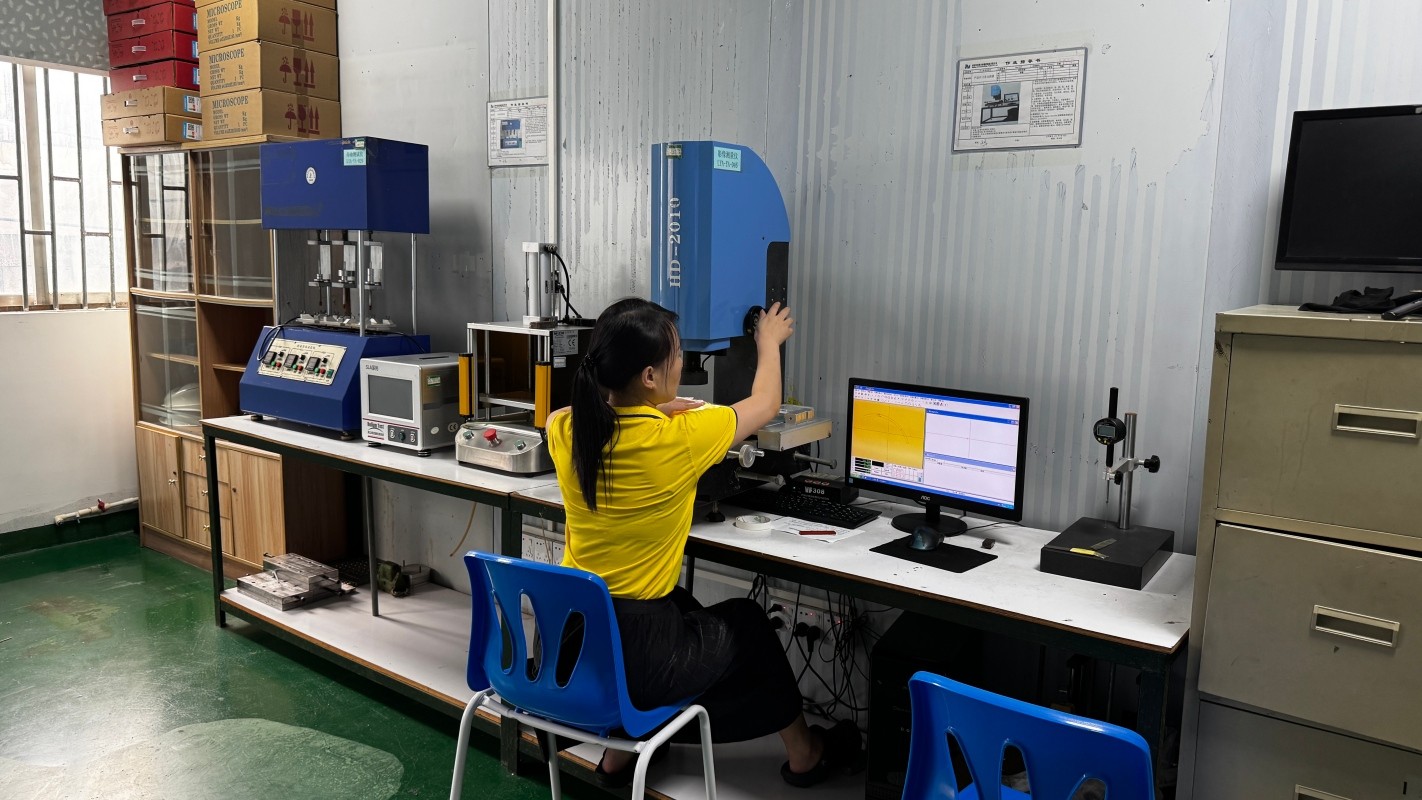
Before mass production, waterproof silicone overmolded parts should be validated through multiple inspection methods.
Typical validation includes:
• Waterproof pressure testing
• Leak detection
• Dimensional inspection
• Assembly testing
• Temperature cycling testing
Early validation helps identify sealing risks before expensive tooling changes or production problems occur.
Why DFM Review Is Important for Waterproof Overmolding Projects?
A professional DFM review allows engineers to evaluate waterproof risks before tooling begins.
The review may include:
• Silicone sealing area analysis
• Plastic and silicone interface review
• Insert tolerance evaluation
• Mold structure discussion
• Production feasibility assessment
Early engineering communication reduces manufacturing risks and improves project reliability.
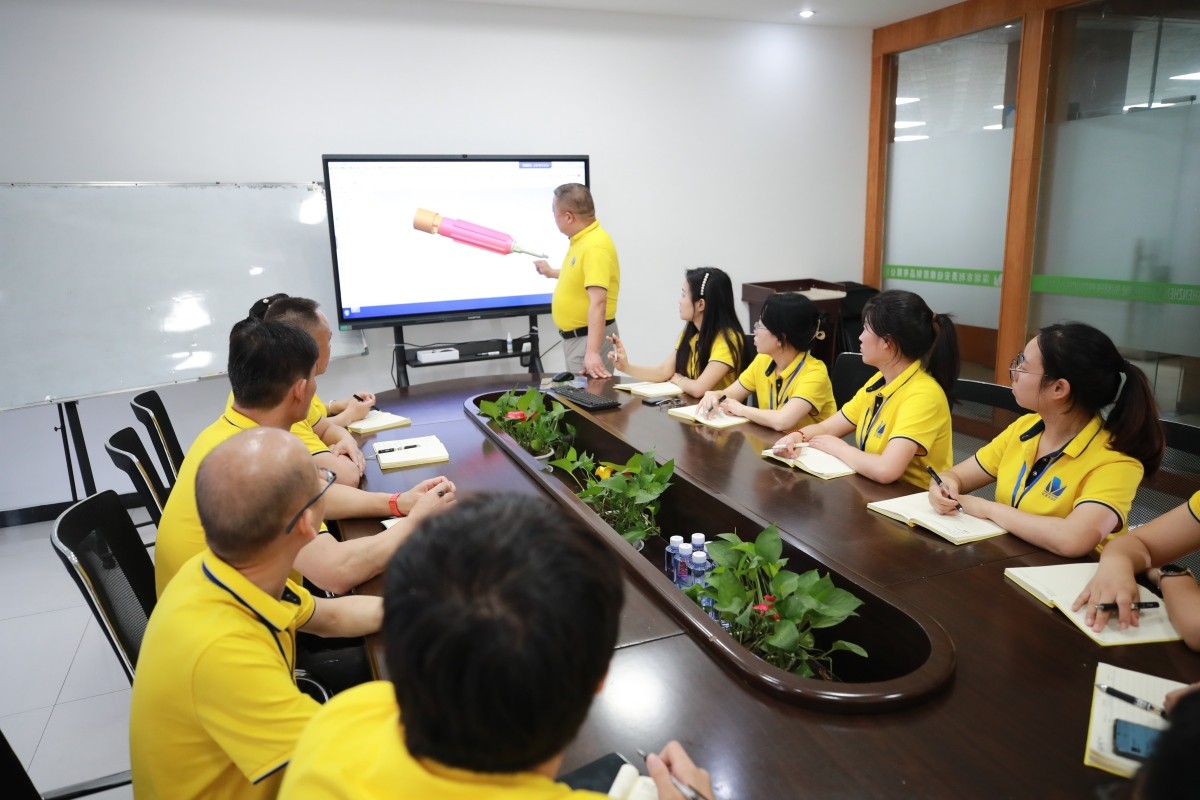
Engineering Review Before Production
Analyze sealing structure, silicone coverage, and manufacturing risks before tooling development.
Choose the Right Silicone Overmolding Manufacturer
Waterproof silicone overmolding requires experience in both silicone materials and precision manufacturing.
A reliable partner should provide:
• DFM engineering support
• Custom tooling development
• LSR injection molding capability
• Quality validation
• Mass production support
SiliconePlus provides custom silicone overmolding solutions for plastic, metal, and FPC applications, helping customers develop reliable waterproof components from prototype to production.