What Are Common LSR Applications of in the Automotive Industry?
- Share
- publisher
- siliconeplus
- Issue Time
- Mar 11,2026
Summary
Automotive designers and manufacturers increasingly rely on precision LSR components for seals, sensors, connectors, and interior touchpoints. Siliconeplus offers comprehensive custom solutions,
Today’s vehicle manufacturers rely on advanced materials that deliver high performance, safety, durability, and scalability — all while supporting global production scales approaching ~93.9 million vehicles per year worldwide. Very few materials can meet all of these demanding requirements across traditional vehicles, electrified powertrains, and smart mobility systems. Liquid Silicone Rubber (LSR) stands out as one of the few materials capable of delivering this combination of properties, making it an increasingly strategic choice in automotive design and production.
LSR exhibits wide temperature stability and thermal endurance, resisting breakdown in environments that range from deep sub‑zero to upwards of 200 °C. This makes it well suited for use in under‑the‑hood components, gaskets, and seals that regularly face extreme heat cycles and variable operating conditions. Its chemical inertness ensures reliability in contact with automotive fluids such as oils and coolants.
Explore below everything you need to know about LSR in the automotive/mobility industry, from its applications and future to the origins of its prevalence.
Common LSR Applications in the Automotive Industry:
The automotive industry is increasingly utilizing LSR in many different applications. Common uses for LSR include:
Seals and gaskets:In engines and transmissions, LSR gaskets and seals provide exceptional leak‑proof performance by conforming precisely to mating surfaces, preventing the escape of oil, coolant, and other fluids while blocking contamination from dust and debris. Their low compression set means they retain sealing force over thousands of thermal and mechanical cycles, reducing maintenance and extending service life compared with conventional elastomers.
Connector seals and housings: As vehicles continue integrating more advanced electrical control systems, high‑speed data interfaces, wiring harnesses, and sensor networks have become essential. These systems rely on connectors that must deliver consistent electrical performance, tight environmental sealing, and long‑term durability even in harsh automotive environments. This is where Liquid Silicone Rubber (LSR) excels as a material of choice for connector seals and housings in modern vehicle design.
Hoses, Tubing, and Bellows: Hoses, tubing, and bellows are critical components responsible for regulating the circulation of fuel, coolant, lubricating oil, air, and other fluids throughout a vehicle’s powertrain and thermal management systems. As modern vehicles—especially hybrid and electric platforms—become more complex, these fluid transfer systems must perform reliably under high temperatures, mechanical stress, and chemical exposure.
Vibration Dampers and Noise Reduction Elements: LSR can effectively absorb and dissipate mechanical vibrations, preventing them from transferring from the engine, suspension, or road surface into the vehicle cabin. This makes it ideal for components such as engine mounts, vibration isolators, HVAC cushions, and ventilation flaps, helping create a smoother and quieter driving experience.
Interior Touchpoints:Modern vehicles rely on LSR for components such as LED diffusers, headlamp gaskets, optical lenses, and sealing rings.LSR can withstand the high temperatures generated by LED lighting systems while maintaining dimensional stability and transparency. At the same time, its flexibility and sealing performance help protect lighting modules from moisture, dust, and environmental exposure.
Why LSR Is the Preferred Material for Today’s Vehicles
Liquid Silicone Rubber (LSR) has become a material of choice for modern automotive applications due to its unique combination of performance, reliability, and versatility. Key advantages include:
Extreme Temperature Resistance
LSR maintains its elasticity and mechanical integrity across wide temperature ranges (–60 °C to 250 °C), making it ideal for under-hood components, battery systems, and lighting modules.
Chemical and Environmental Resistance
It resists automotive fluids, UV, ozone, and environmental aging, ensuring long-term reliability for gaskets, hoses, bellows, and connector seals even in harsh conditions.
Design Flexibility
LSR supports complex geometries, thin walls, and multi-component overmolding, enabling precise and integrated solutions for seals, optical parts, vibration dampers, and interior touchpoints.
Durability and Longevity
Its low compression set, elasticity, and fatigue resistance allow LSR components to retain performance over millions of cycles, providing longer service life for valves, buttons, mounts, and tubing.
Safety and Compliance
Being non-toxic, hypoallergenic, and odorless, LSR is safe for driver and passenger contact and meets industry safety standards for automotive interiors and electronic components.
Sustainability
LSR’s long lifespan and recyclability reduce replacement frequency and waste, supporting sustainable manufacturing practices in the automotive sector.
Emerging LSR Applications in Next‑Gen Vehicles
As vehicles evolve—especially with the rise of electric vehicles (EVs), autonomous systems, and connected technologies—Liquid Silicone Rubber (LSR) is finding new applications that support performance, reliability, and innovation:
EV Battery Protection
LSR is used for thermal insulation and sealing in battery packs and fuel cells, protecting cells from moisture, corrosive chemicals, and thermal stress to improve safety and longevity.
Advanced Connector Systems
Color‑coded, vibration‑resistant LSR connector seals help link driver‑assistance sensors and wiring harnesses, ensuring reliable electrical connections in ADAS and automated driving systems.
By integrating with plastics and metals, LSR enables overmolded multifunction parts that combine sealing, mounting, and tactile interfaces in a single precision‑molded solution.
5G and Sensor Integration
LSR’s durability, electrical insulation, and design flexibility support 5G‑ready sensors and touch interfaces, allowing seamless connection between high‑speed data systems and interactive vehicle consoles.
Custom LSR Solutions from Siliconeplus
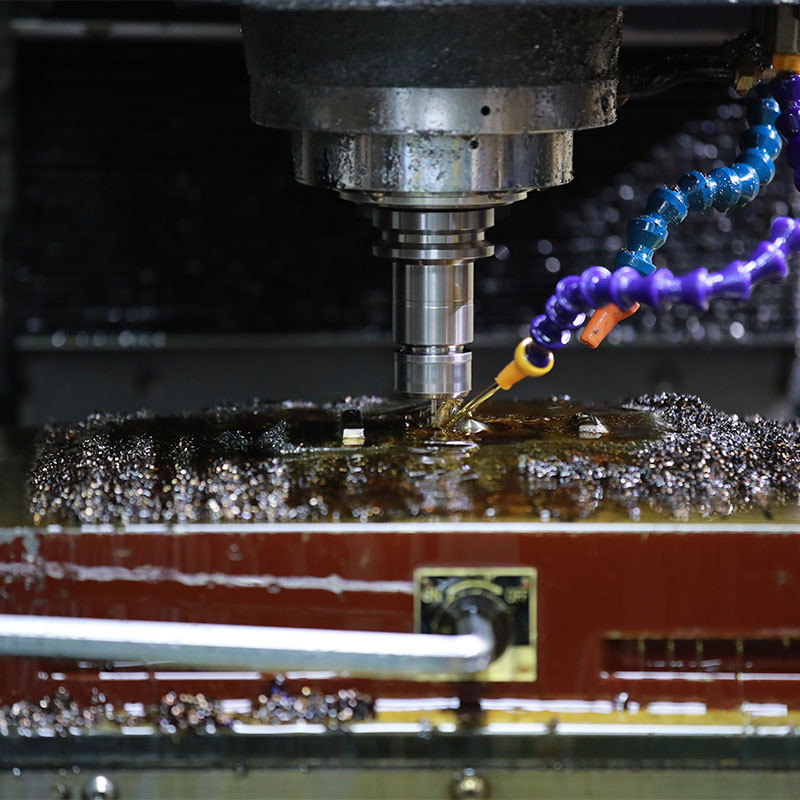
Automotive designers and manufacturers increasingly rely on precision LSR components for seals, sensors, connectors, and interior touchpoints. Siliconeplus offers comprehensive custom solutions, from design and prototyping to full-scale production, including secondary value-added processes to meet complex automotive requirements.
With decades of experience in LSR, 2-shot, and multi-shot injection molding, Siliconeplus has delivered billions of high-quality components for the mobility sector, ensuring reliability, performance, and safety in modern vehicles.
Explore our custom LSR molding services and discover how we can help bring your automotive components from concept to production. Fill out our contact form today to get started.
Website:www.siliconeplus.net
Email:sales11@siliconeplus.net.
whatsapp:+86 19925429095
Phone:13420974883
Wechat:13420974883