Top Trends Shaping Silicone Overmolding in Plastic Manufacturing for 2025
- Share
- publisher
- siliconeplus
- Issue Time
- Dec 19,2025
Summary
Top silicone overmolding trends for 2024: advanced materials, automation, sustainability, and on-demand customization.
Introduction:
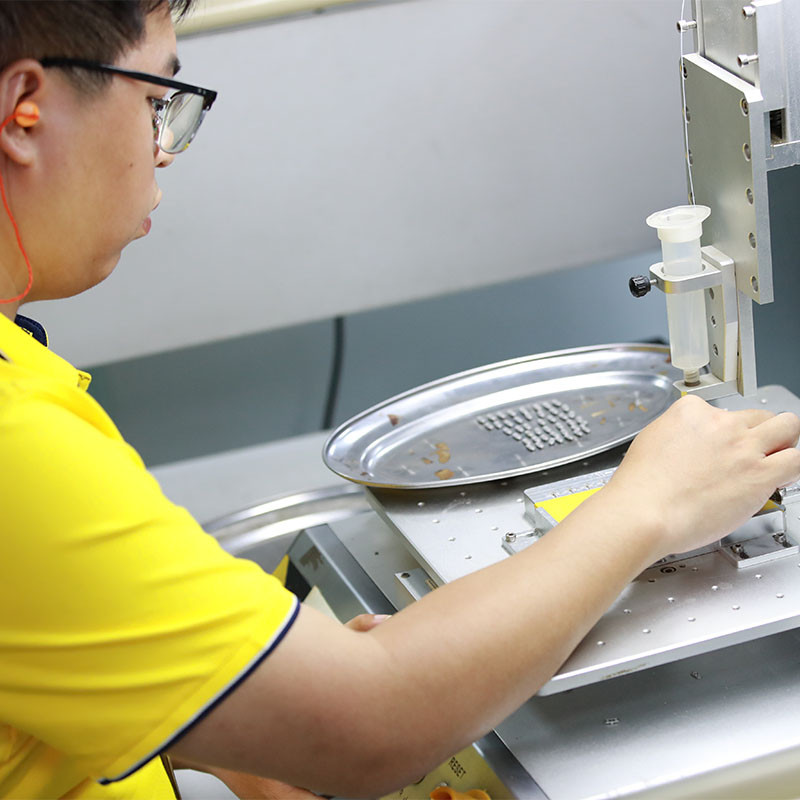
In the rapidly evolving landscape of plastic manufacturing, silicone overmolding has cemented itself as a critical process for creating highly durable, flexible, and aesthetically superior products. As we progress into 2024, the industry witnesses groundbreaking trends that are transforming how manufacturers approach silicone overmolding, emphasizing innovation, sustainability, and precision engineering. This comprehensive analysis explores these trends, highlighting how they influence product design, manufacturing processes, and market competitiveness.
The Growing Significance of Silicone Overmolding in Modern Plastic Manufacturing
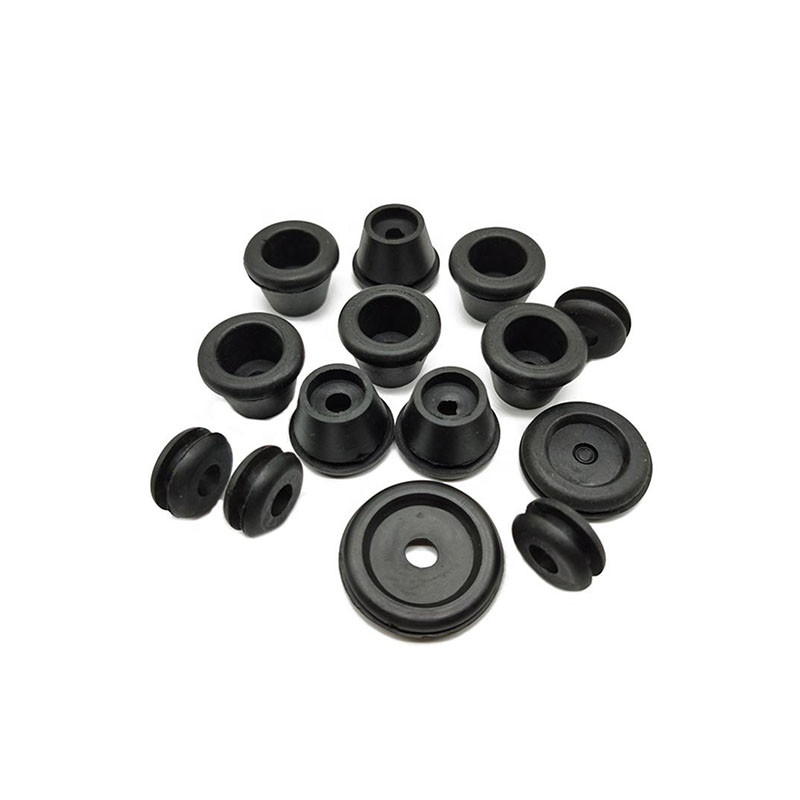
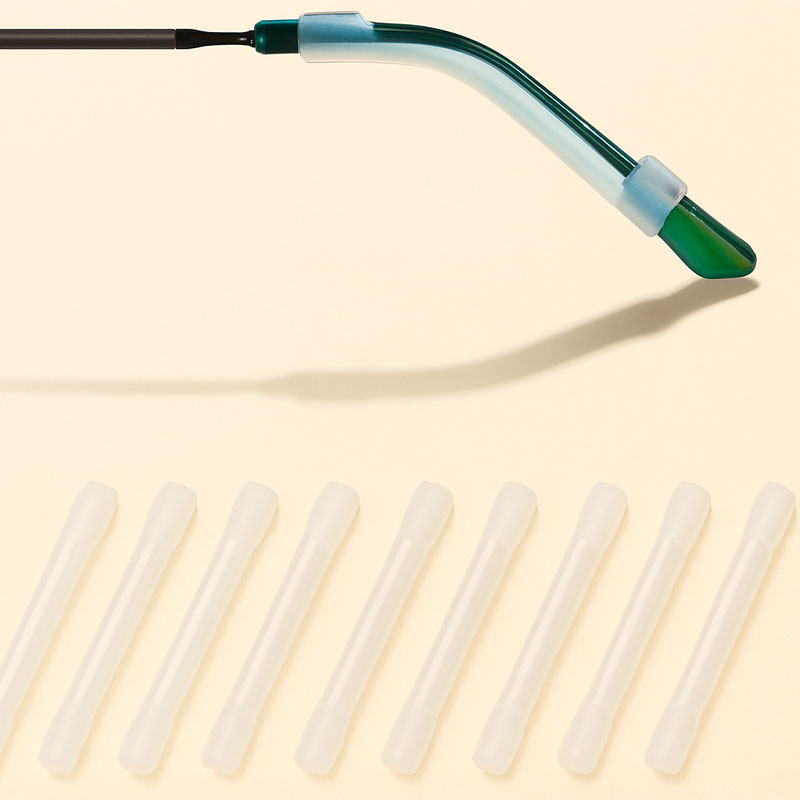
Silicone overmolding involves the process of molding a layer of silicone onto a substrate made from plastic or other materials, creating a composite component with enhanced functionality. This technique provides excellent thermal stability, chemical resistance, flexibility, and biocompatibility, making it indispensable in industries such as medical devices, consumer electronics, automotive, and industrial equipment.
As consumer demand shifts towards more ergonomic, durable, and aesthetic products, the role of silicone overmolding becomes increasingly prominent. Manufacturers are leveraging this process to produce multi-material components that are lightweight, resistant to wear, and visually appealing.
Emerging Trends in Silicone Overmolding for 2025
1. Advanced Material Innovations for Superior Performance
In 2025, material science breakthroughs are driving the development of high-performance silicone compounds tailored for overmolding. These new formulations focus on:
Enhanced adhesion properties: Improved bonding strength between silicone and various plastics, including ABS, PC, and POM, minimizes delamination risks.
Temperature resilience: Silicone compounds capable of withstanding higher processing and operational temperatures expand application possibilities.
Soft-touch finishes: Innovations in silicone formulations enable luxurious tactile sensations while maintaining durability.
Key materials include HTV (High-Temperature Vulcanizing) silicones and LSR (Liquid Silicone Rubber), both offering unique advantages in different manufacturing contexts.
2. Integration of Multi-Material Overmolding for Complex Designs
The trend toward multi-material overmolding is revolutionizing product design by enabling integrated components with multiple functionalities. In 2024, manufacturers are increasingly combining silicone with rigid plastics or metals to produce hybrid components with:
Enhanced ergonomic features
Sealing and insulation capabilities
Improved shock absorption
This trend allows for streamlined assembly processes and reduced component count, resulting in cost savings and improved reliability.
3. Automation and Precision Manufacturing Technologies
The adoption of advanced automation and robotic systems in silicone overmolding processes is a defining trend in 2024. These technologies facilitate:
High-precision molding with tight tolerances (±0.05 mm or better)
Increased throughput and production scalability
Reduced human error and material waste
Smart manufacturing platforms integrate real-time monitoring and AI-driven quality control, ensuring consistent product quality and faster time-to-market.
4. Sustainability and Eco-Friendly Practices
Environmental consciousness is reshaping manufacturing paradigms. In 2024, the focus on sustainable silicone overmolding includes:
Development of biodegradable and plant-based silicones
Implementation of recycling protocols for silicone waste
Adoption of energy-efficient curing and material-saving techniques
Manufacturers are also exploring closed-loop systems that minimize resource consumption and reduce carbon footprint.
5. Customization and On-Demand Production
The rise of digital manufacturing enables mass customization in silicone overmolding. 3D printing of molds and rapid tooling allow for tailored solutions to meet specific client needs without lengthy lead times. This flexibility is especially advantageous in medical devices and consumer electronics, where personalized designs are in high demand.
Key Industries Benefiting from 2025 Silicone Overmolding Trends
| Industry | Application Highlights | Trend Impact |
Medical Devices | Seals, grips, biocompatible components | Material innovations, customization, precision manufacturing |
| Smartphone cases, wearables | Multi-material integration, aesthetic finishes | |
| Dashboard controls, sealing components | Durability, environmental sustainability | |
| Industrial Equipment | Sensors, protective covers | High-performance materials, automation |
Challenges and Solutions in Silicone Overmolding
Despite the promising trends, several challenges persist:
Bonding issues: Overcoming weak adhesion between silicone and certain plastics requires surface treatments such as plasma etching or primer application.
Mold complexity: Multi-material molds demand advanced design and precise manufacturing to maintain tight tolerances.
Cost considerations: High-quality materials and automation technologies can increase initial investment, but long-term gains in efficiency and product performance justify the expenditure.
Innovative solutions include surface modification techniques, modular mold designs, and cost-effective automation platforms.
Future Outlook: How Silicone Overmolding Will Evolve Post-2025
Looking beyond 2025, the industry anticipates further integration of smart materials that can respond to environmental stimuli, such as self-healing silicones and conductive silicones for integrated electronics. Nanotechnology will enable ultra-thin, high-performance coatings, and multi-functional surfaces.
The continued push toward sustainable manufacturing will accelerate the adoption of eco-friendly silicones and recycling initiatives, aligning with global environmental goals.
Conclusion
Silicone overmolding in plastic manufacturing is entering an era marked by technological innovation, sustainability, and design flexibility. The trends outlined for 2025 demonstrate a commitment to enhanced performance, cost efficiency, and product customization. Manufacturers who embrace these developments will position themselves at the forefront of the industry, delivering superior products that meet evolving market demands.
Investing in advanced materials, automation, and sustainable practices is essential for staying competitive in this dynamic landscape. As the industry continues to evolve, silicone overmolding will remain a pivotal technology in creating next-generation products that combine functionality, aesthetics, and eco-consciousness.
Website:www.siliconeplus.net
Email:sales11@siliconeplus.net.
Phone:13420974883
Wechat:13420974883