Top Trends Shaping Silicone Overmolding in Plastic Manufacturing for 2025
- Share
- publisher
- siliconeplus
- Issue Time
- Dec 11,2025
Summary
Top Trends Shaping Silicone Overmolding in Plastic Manufacturing for 2024 | Innovations, Materials & Advanced Techniques
Introduction:
In the rapidly evolving landscape of plastic manufacturing, silicone overmolding continues to emerge as a pivotal process that enhances product functionality, aesthetics, and durability. As industry leaders and innovators push the boundaries of what's possible, understanding the key trends shaping silicone overmolding in 2025 becomes essential for manufacturers aiming to maintain a competitive edge. This comprehensive analysis delves into the latest technological advancements, material innovations, process improvements, and market dynamics that are defining the future of silicone overmolding.
1. Advancements in Silicone Material Technologies for Overmolding
1.1 High-Performance Silicone Compounds
In 2025, the development of high-performance silicone compounds has revolutionized overmolding applications. These advanced materials offer superior thermal stability, enhanced chemical resistance, and improved mechanical properties. Manufacturers now utilize medical-grade, automotive-grade, and consumer electronics-grade silicones that meet stringent industry standards.
Key features include:
Enhanced tear strength and elongation for durability.
Low compression set for maintaining shape over time.
Improved adhesion properties to various substrates.
Compatibility with ultra-precision molding processes.
1.2 Bio-Compatible and Eco-Friendly Silicone Materials
Sustainability remains a core focus in 2025. The rise of bio-compatible and eco-friendly silicones aligns with global environmental goals. These materials are designed to reduce environmental impact without compromising performance, making them ideal for medical devices, food packaging, and wearable technology.
Innovations include:
Bio-based silicones derived from renewable resources.
Recyclable silicone formulations facilitating circular economy practices.
Low VOC emissions during manufacturing, promoting safer workplaces.
2. Cutting-Edge Overmolding Techniques and Processes
2.1 Multi-Material Overmolding for Enhanced Functionality
The trend toward multi-material overmolding enables the integration of silicone with rigid plastics such as ABS, PC, and POM to create multi-functional components. This technique allows for selective soft-touch surfaces, integrated seals, and ergonomic grips in a single manufacturing step.
Advantages include:
Reduced assembly costs.
Improved product reliability.
Design flexibility for complex geometries.
2.2 Precision and Micro Overmolding
With the demand for miniaturized devices and wearable electronics, micro overmolding has gained prominence. This process involves extremely precise molds capable of producing tiny silicone features with high fidelity.
Key benefits:
Enhanced tactile feedback.
Better sealing and insulation.
Increased design complexity without compromising quality.
2.3 Continuous Manufacturing and Automation
Industry 4.0 integration has led to automated overmolding lines equipped with AI-driven quality control, robotic handling, and real-time process monitoring. These innovations ensure consistent product quality, reduced cycle times, and cost efficiencies.
3. Design Innovations Driven by Silicone Overmolding
3.1 Ergonomic and Aesthetic Enhancements
Designers leverage silicone overmolding to produce ergonomically optimized and visually appealing products. Textured silicone surfaces improve grip, anti-slip properties, and provide luxurious tactile experiences.
3.2 Seamless Integration of Components
Overmolding allows for seamless integration of electronic components, buttons, and connectors. This integration reduces assembly complexity and enhances waterproofing and dust resistance.
3.3 Customization and Branding Opportunities
Silicone's versatility offers extensive customization options—from color matching to embossed logos—enabling brands to differentiate their products effectively.
Image suggestion: Custom overmolded product with branding
4. Industry-Specific Applications and Market Growth
4.1 Consumer Electronics
In 2024, smartphones, wearables, and portable devices increasingly incorporate silicone overmolded parts for shock absorption, waterproofing, and user comfort. The trend toward thin, lightweight devices necessitates innovative overmolding solutions.
4.2 Medical Devices
The medical industry benefits from biocompatible, sterilizable, and durable silicone overmolds used in prosthetics, sensor housings, and surgical tools. The demand for personalized medical products drives innovation in micro overmolding techniques.
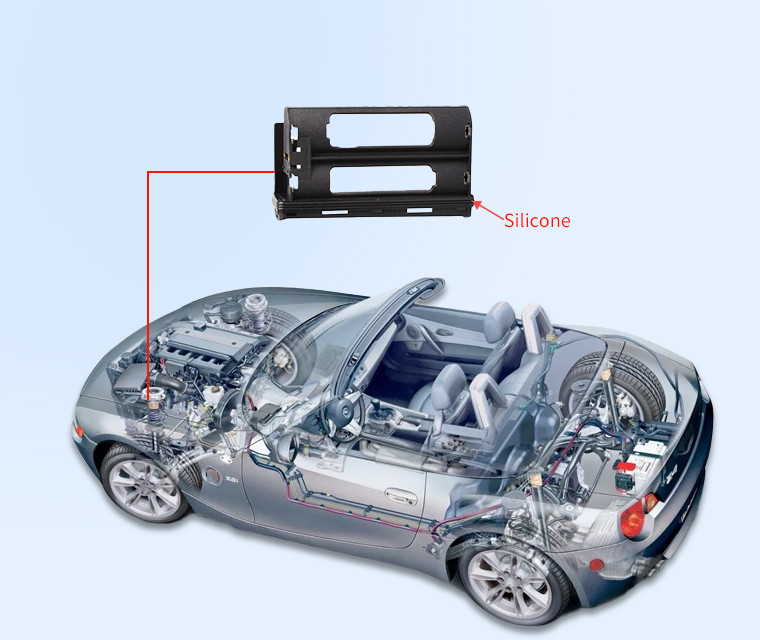
Automotive manufacturers adopt silicone overmolding for interior components, sealants, and wire insulation due to its heat resistance and vibration damping properties. The focus on electric vehicles accelerates the integration of silicone-based insulation and connectors.
4.4 Industrial and Consumer Goods
The durability and flexibility of silicone overmolds improve industrial tools, kitchen appliances, and fitness equipment, offering enhanced grip, chemical resistance, and long-term reliability.
5. Challenges and Future Outlook
5.1 Material Compatibility and Bonding
Ensuring strong adhesion between silicone and diverse substrates remains a challenge. Innovations in adhesion promoters and priming techniques are critical for expanding application possibilities.
5.2 Cost Management and Scalability
While advanced materials and precision processes offer significant benefits, they also entail higher costs. Developing cost-effective manufacturing solutions without compromising quality is essential for widespread adoption.
5.3 Sustainability and Circular Economy
Industry efforts focus on recyclable silicones and sustainable manufacturing practices. The integration of eco-friendly materials with advanced overmolding techniques will shape the industry's ecological footprint in 2025 and beyond.
Conclusion: Embracing Innovation in Silicone Overmolding
Silicone overmolding is poised for unprecedented growth in 2025, driven by material innovation, technological advancements, and market demand for high-performance, customizable products. Manufacturers investing in next-generation processes, sustainable materials, and design flexibility will unlock new opportunities across diverse industries.
By staying ahead of these top trends, industry leaders can enhance product functionality, reduce costs, and meet evolving consumer expectations. The future of silicone overmolding is bright, with continuous innovations paving the way for smarter, more durable, and environmentally responsible manufacturing solutions.
Website:www.siliconeplus.net
Email:sales11@siliconeplus.net.
Phone:13420974883
Wechat:13420974883