Top 9 Innovations in Liquid Silicone Rubber Overmolding for B2B Applications
- Share
- publisher
- siliconeplus
- Issue Time
- Jan 19,2026
Summary
Top 9 LSR overmolding innovations enhance B2B products with multi-material, automation, 3D printing, and curing technologies.
Introduction:
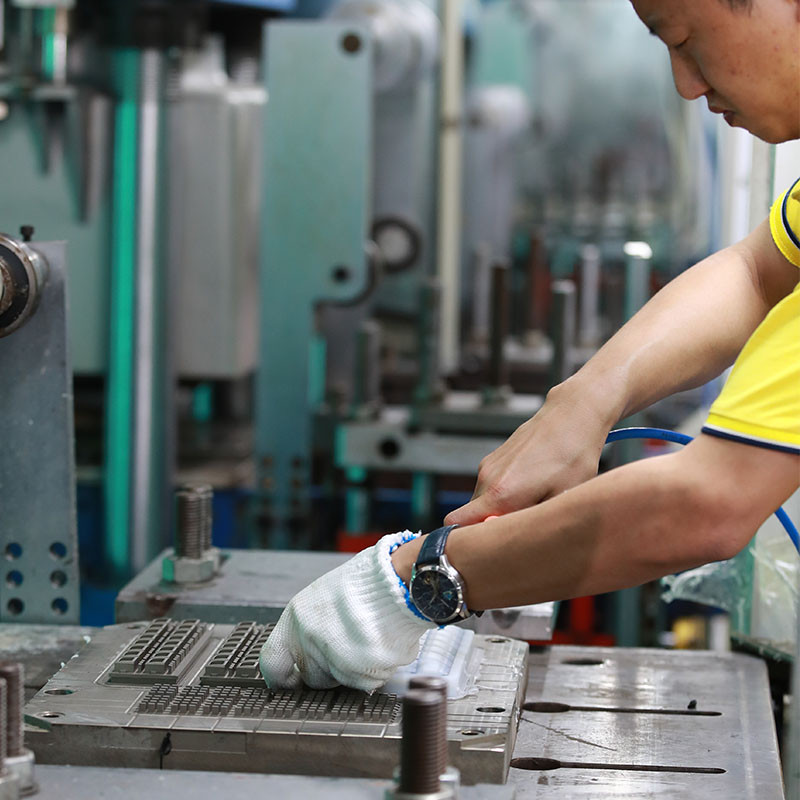
In the rapidly evolving landscape of B2B manufacturing, Liquid Silicone Rubber (LSR) overmolding has emerged as a transformative technology, enabling companies to produce high-performance, durable, and flexible components that meet the most demanding industry standards. LYA Silicone excels in precision LSR overmolding, supported by a professional engineering team, an in-house mold workshop, and certifications as a National High-Tech Enterprise and Specialized & Innovative SME.
Over the years, innovations in LSR overmolding have unlocked new possibilities, pushing the boundaries of design complexity, material performance, and production efficiency. These breakthroughs are redefining the future of LSR applications in industrial, medical, automotive, and consumer electronics sectors, enhancing product functionality, reducing costs, and accelerating time-to-market for forward-thinking B2B enterprises.
1. Advanced Multi-Material Overmolding Techniques for Complex Assemblies
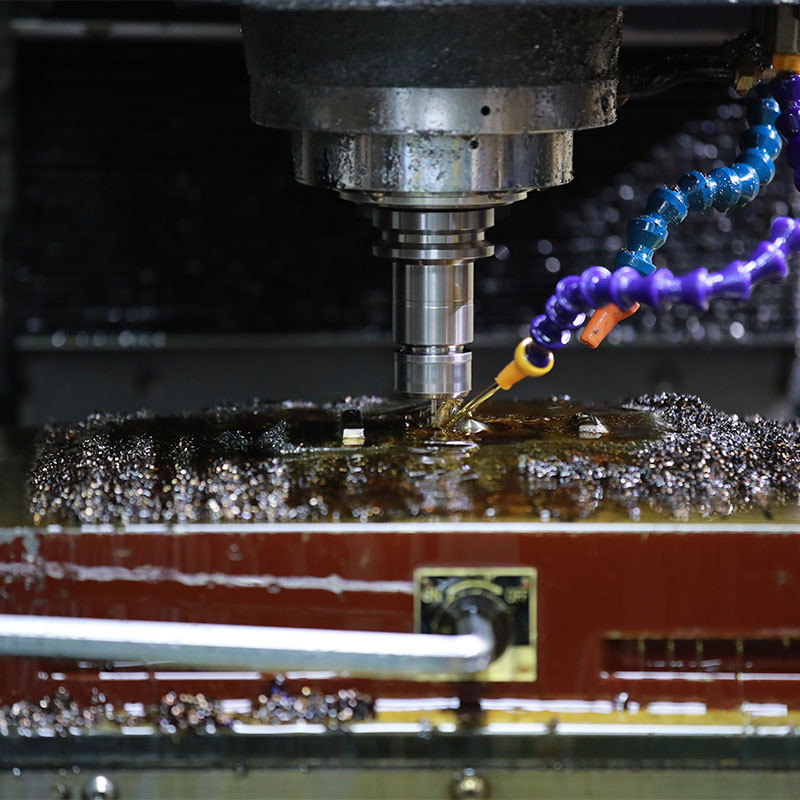
Multi-material overmolding has become a game-changer, allowing manufacturers to combine liquid silicone rubber with other substrates such as thermoplastics, metals, or elastomers in a single, integrated process. This innovation facilitates the creation of complex, multi-functional components with integrated seals, grips, and insulation layers
Key Benefits:
Enhanced product durability through tailored material properties.
Reduced assembly steps leading to cost savings.
Improved aesthetic appeal with seamless integration of different materials.
Technical Breakthroughs:
Use of multi-shot injection molding systems capable of handling different viscosities and curing profiles.
Development of compatibility primers and adhesion promoters to ensure strong bonding between dissimilar materials.
2. Precision Micro-Overmolding for Miniaturized Components
The evolution of micro-overmolding techniques has enabled the production of miniature, highly detailed silicone components with extremely tight tolerances. This innovation is critical for industries like medical devices, wearables, and connectors, where space constraints and precision are paramount.
Highlights:
Utilization of microfluidic systems for precise injection.
Implementation of ultra-fine molds with micro-scale features.
Use of advanced curing methods to ensure uniformity in tiny parts.
Impact:
Facilitates integration of sensors and electronic components within silicone housings.
Ensures consistency and reliability in high-volume production.
3. High-Temperature Resistant Liquid Silicone Formulations
As applications demand greater thermal stability, the development of high-temperature resistant LSR formulations has become a pivotal innovation. These formulations withstand temperatures exceeding 300°C, expanding the usability of silicone overmolds in automotive engine components, industrial heating elements, and aerospace applications.
Innovative Features:
Use of specialized fillers and cross-linking agents to enhance thermal stability.
Maintenance of flexibility and elasticity even at elevated temperatures.
Improved ozone and UV resistance for outdoor applications.
Advantages for B2B Manufacturers:
Broader application scope.
Increased lifespan and reliability of overmolded parts.
Reduced maintenance and replacement costs.
4. Incorporation of Conductive and EMI Shielding Properties
Integrating conductive fillers such as carbon black, metal fibers, or graphene into liquid silicone rubber has unlocked electromagnetic interference (EMI) shielding capabilities. This innovation is crucial for electronic enclosures, medical devices, and automotive sensors.
Key Features:
Customizable conductivity levels for specific shielding requirements.
Maintains flexibility and softness despite conductive fillers.
Enables integrated EMI shielding without additional coatings.
Industry Impact:
Enhanced electromagnetic compatibility.
Simplified assembly with integrated shielding.
Improved device performance and safety.
5. Eco-Friendly and Sustainable Liquid Silicone Rubber Formulations
Environmental sustainability is a growing priority. Innovations in bio-based and recyclable LSR formulations are transforming overmolding by reducing carbon footprint and aligning with green manufacturing standards.
Key Developments:
Use of bio-silicone feedstocks derived from renewable resources.
Development of recyclable silicone composites.
Reduction of volatile organic compounds (VOCs) during curing.
Benefits for B2B:
Compliance with strict environmental regulations.
Enhanced brand reputation.
Opportunity to enter eco-conscious markets.
6. Enhanced Surface Finish and Texturing Techniques
Surface quality directly influences product aesthetics, grip, and tactile experience. Recent innovations in surface texturing via mold design and post-processing have enabled highly detailed, non-slip, and decorative finishes.
Techniques Include:
Laser etching for intricate patterns.
Use of textured molds with micro- and nano-scale features.
Application of coatings and surface treatments to improve gloss, matte finish, or tactile feel.
Industry Benefits:
Superior aesthetic appeal.
Improved user interface and handling.
Customization options for branding.
7. Automation and Industry 4.0 Integration in Overmolding Processes
The integration of automation, robotics, and Industry 4.0 principles has revolutionized liquid silicone overmolding manufacturing. Smart factories leverage real-time monitoring, predictive maintenance, and adaptive control systems to maximize efficiency.
Key Features:
Use of AI-driven process control for consistent quality.
Automated mold handling and material feeding.
Data analytics for process optimization and defect reduction.
Impact:
Significantly higher throughput.
Reduced waste and downtime.
Enhanced traceability and quality control.
8. Rapid Prototyping and Customization via Additive Manufacturing
The advent of additive manufacturing (3D printing) tailored for liquid silicone rubber has enabled rapid prototyping and custom batch production. This innovation accelerates product development cycles and allows for highly customized overmolded parts.
Technological Advances:
Development of silicone-compatible 3D printers.
Use of digital twin models for design validation.
Integration of post-processing techniques to achieve desired surface finishes.
Business Advantages:
Shorter design-to-production timelines.
Cost-effective small-batch manufacturing.
Enhanced design flexibility.
9. Innovative Curing and Post-Processing Technologies
Recent developments in curing methods, such as ultraviolet (UV) curing, electron beam, and advanced thermal curing systems, have significantly reduced cycle times, improved material properties, and enhanced process control.
Key Innovations:
UV and LED curing for rapid solidification.
Use of internal heating and microwave curing for uniformity.
Advanced post-molding finishing techniques like coating, polishing, and texturing.
Advantages:
Increased production speed.
Improved material consistency.
Ability to produce highly detailed and decorative surfaces.
Conclusion
The top 9 innovations in liquid silicone rubber overmolding are shaping a new era of high-performance, customizable, and sustainable manufacturing solutions for B2B applications. From multi-material integration to smart automation and eco-friendly formulations, these advancements are not only pushing industry standards but also unlocking unprecedented design freedom, efficiency, and product longevity.
As market demands continue to evolve, embracing these cutting-edge innovations will be essential for manufacturers seeking competitive advantage and long-term growth in the dynamic landscape of silicone overmolding.
Website:www.siliconeplus.net
Email:sales11@siliconeplus.net.
Phone:13420974883
Wechat:13420974883