Top 8 Silicone Overmolding Design Tips for B2B Product Engineers
- Share
- publisher
- siliconeplus
- Issue Time
- Jan 29,2026
Summary
Silicone overmolding, B2B product design, material compatibility, adhesion, process optimization, durability, prototyping.
Introduction:
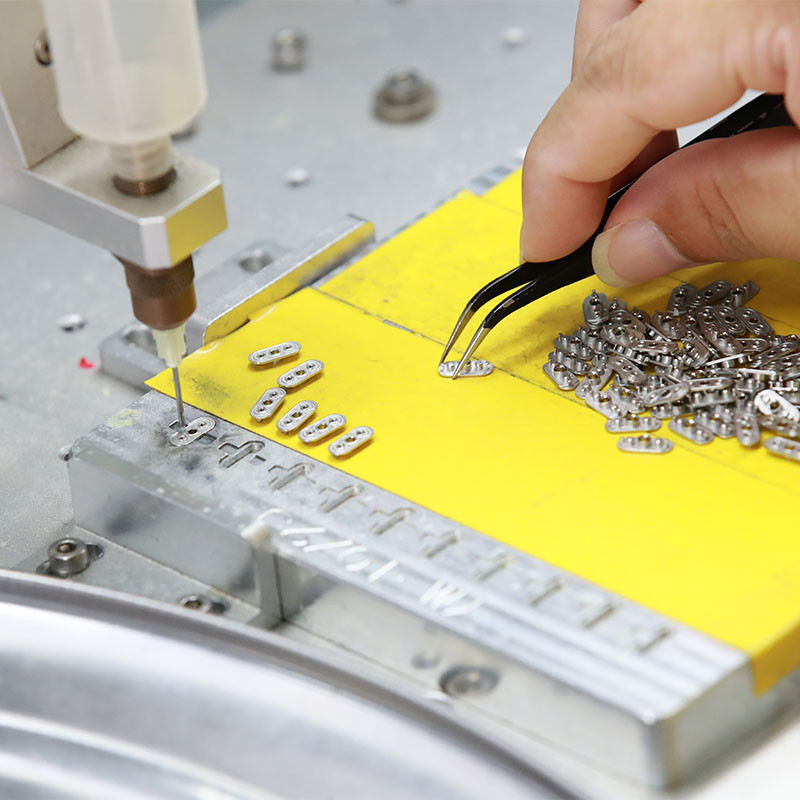
In the competitive landscape of B2B manufacturing, silicone overmolding has emerged as a critical process, enabling engineers to create durable, flexible, and aesthetically appealing products.
Siliconeplus excels in silicone overmolding technology, backed by a professional engineering team, in-house mold-making facilities, and recognized certifications including National High-Tech Enterprise and Specialized & Innovative Enterprise. To achieve optimal results, product engineers must consider a multitude of design factors that influence performance, manufacturability, and cost-efficiency. This comprehensive guide outlines the top 8 silicone overmolding design tips that every B2B product engineer should master to elevate their product development process.
1. Prioritize Material Compatibility and Selection
Understanding Silicone Properties for Overmolding
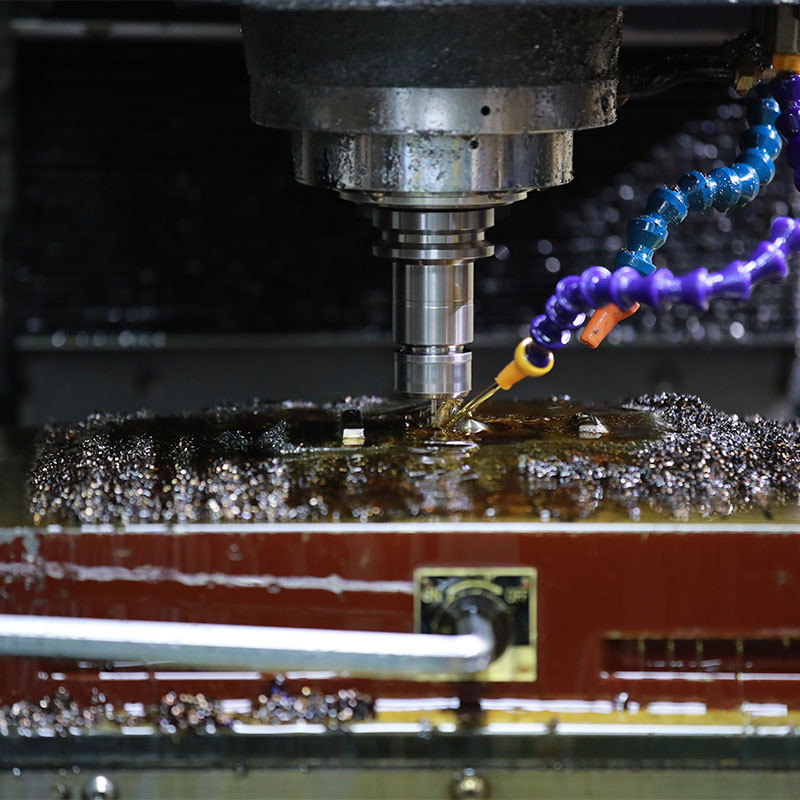
Choosing the right silicone material is fundamental to the success of any overmolding project. Silicone elastomers are prized for their flexibility, temperature resistance, electrical insulation, and biocompatibility. However, not all silicones are suitable for every application.
Key Considerations:
Adhesion Compatibility: Ensure the silicone formulation is compatible with the substrate material. For instance, addition-cure silicones typically adhere better to plastics like ABS, polycarbonate, or TPU, whereas condensation-cure silicones may require primers.
Temperature Resistance: Select silicones that withstand operational temperatures, especially for industrial or outdoor applications.
Mechanical Properties: Tailor hardness (measured in Shore A) to match product requirements—softer silicones for grip, harder for structural support.
2. Design for Seamless Moldability and Minimize Defects
Optimizing Part Geometry for Molding Efficiency
Designing parts with overmolding in mind can significantly reduce manufacturing defects such as air entrapment, incomplete fills, and flashing
Design Strategies:
Incorporate Draft Angles: Use 1-3 degrees of draft to facilitate easy ejection from molds and prevent deformation.
Avoid Sharp Corners: Use fillets and rounded edges to promote even flow and reduce stress concentrations.
Simplify Geometry: Minimize complex undercuts or deep cavities that complicate mold design and increase costs.
Flow Optimization:
Place the overmold interface in areas with natural flow paths to ensure complete coverage.
Use vents strategically to allow trapped air to escape during injection.
3. Precise Control of Overmolding Thickness for Performance and Aesthetics
Balancing Thickness for Durability and Flexibility
Overmolding thickness is a critical factor influencing product durability, tactile feel, and appearance.
Best Practices:
Maintain uniform thickness—ideally between 0.5mm to 3mm—to ensure consistent curing and avoid warping.
Avoid overly thick sections, which can cause air entrapment, incomplete curing, or delamination.
Design for gradual transitions between substrates and overmolded layers to prevent stress concentration points.
Impact on Product Life:
Proper thickness control enhances impact resistance and long-term adhesion, especially in high-stress environments.
4. Optimize the Overmolding Process Parameters
Critical Process Parameters
Achieving a high-quality overmolded part hinges on precise control over process variables:
| Parameter | Recommended Range | Impact |
Mold Temperature | 50°C to 80°C | Ensures proper flow and adhesion |
| Injection Pressure | 100 to 300 bar | Controls flow rate and minimizes defects |
| Injection Speed | Moderate to high | Prevents air entrapment and ensures complete fill |
| Curing Time | As per silicone specifications | Achieves optimal mechanical properties |
5. Incorporate Design Features for Enhanced Adhesion and Seal Integrity
Achieving Robust Bonding
Effective adhesion between silicone and substrate is crucial for product longevity and performance.
Design Recommendations:
Add Textured or Ribbed Surfaces: Increase surface area for better mechanical bonding.
Use Anchor Features: Incorporate protrusions or undercuts to physically lock the silicone in place.
Design for Seamless Transitions: Avoid abrupt changes in geometry to prevent stress points.
Sealing Considerations:
For waterproof or dustproof applications, design interlocking features or gasket-like seals.
Ensure tight tolerances in critical sealing areas to prevent leaks.
6. Consider Environmental Factors and Product End-Use Conditions
Designing for Durability in Harsh Conditions
Silicone overmolds are often exposed to UV radiation, chemicals, moisture, and mechanical wear.
Design Strategies:
Select UV-stable silicones for outdoor applications.
Use chemical-resistant silicones when exposed to oils, solvents, or cleaning agents.
Incorporate reinforcements such as fibers or fillers if additional strength is required.
Testing and Validation:
Conduct accelerated aging tests to simulate real-world conditions.
Design for easy maintenance and cleaning if necessary.
7. Design for Assembly and Manufacturing Efficiency
Facilitating Ease of Assembly
Efficient assembly reduces costs and improves product quality.
Design Tips:
Use snap-fit features or alignment guides to simplify assembly.
Minimize manual handling by designing for automated processes.
Incorporate modular features that enable easy replacement or upgrades.
Manufacturing Considerations:
Design parts to reduce mold complexity and cycle times.
Plan for multi-material overmolding to combine functions in a single part.
8. Leverage Advanced Simulation and Prototyping Tools
Predictive Design and Validation
Utilize finite element analysis (FEA) and computational fluid dynamics (CFD) to simulate overmolding processes.
Benefits:
Identify potential stress points and delamination risks.
Optimize flow paths and mold filling.
Reduce material waste and rework through virtual testing.
Prototyping:
Use rapid prototyping techniques like 3D printing for early validation.
Perform physical tests to confirm simulation results and refine designs.
Key Process Parameters for Silicone Overmolding
Parameter | Recommended Range | Purpose |
| Mold Temperature | 50°C – 80°C | Ensures proper flow and adhesion |
| Injection Pressure | 100 – 300 bar | Controls flow, reduces defects |
| Injection Speed | Moderate to high | Ensures complete fill, minimizes air entrapment |
| Curing Time | As per silicone specifications | Achieves optimal mechanical properties |
Conclusion
Mastering the top 8 silicone overmolding design tips is essential for B2B product engineers aiming to produce high-quality, reliable, and cost-effective products. From material selection to process optimization and environmental considerations, each factor plays a vital role in ensuring successful overmolding outcomes. By implementing these detailed strategies, engineers can significantly enhance product performance, aesthetic appeal, and manufacturability, positioning their offerings ahead of competitors in the global marketplace.
Website:www.siliconeplus.net
Email:sales11@siliconeplus.net.
Phone:13420974883
Wechat:13420974883