Top 8 Silicone Manufacturing Strategies for B2B Industrial Equipment
- Share
- publisher
- siliconeplus
- Issue Time
- Jan 23,2026
Summary
8 silicone manufacturing strategies that boost quality, durability, efficiency, and innovation for B2B industrial equipment
Introduction:
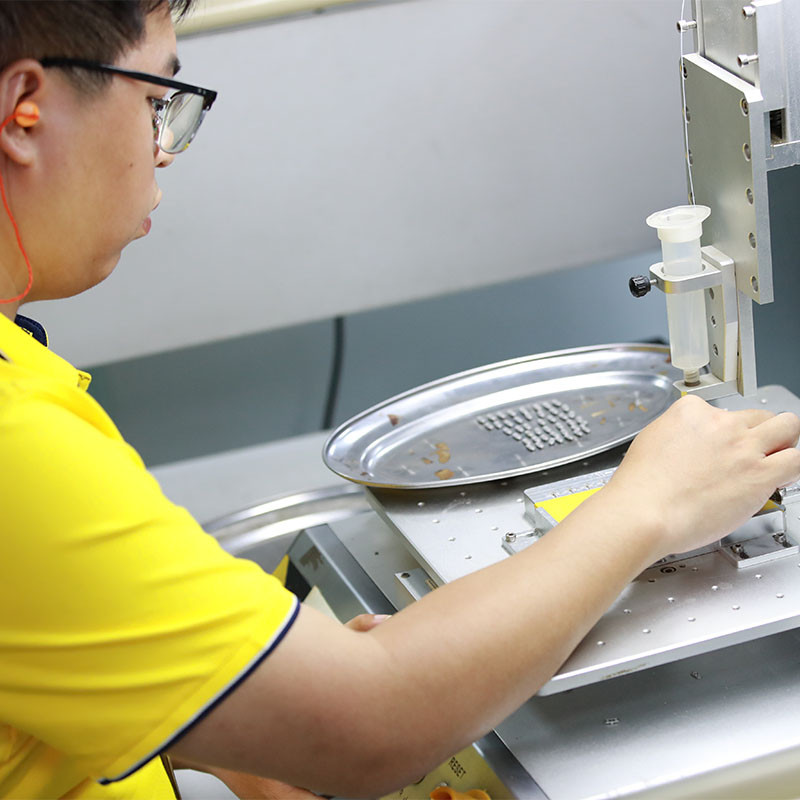
In the highly competitive realm of B2B industrial equipment, silicone manufacturing plays a pivotal role in ensuring product excellence, durability, and long-term performance. Meeting the demanding requirements of industrial applications—ranging from sealing and insulation to complex structural protection—requires not only advanced materials, but also deep engineering expertise and precision manufacturing capabilities.
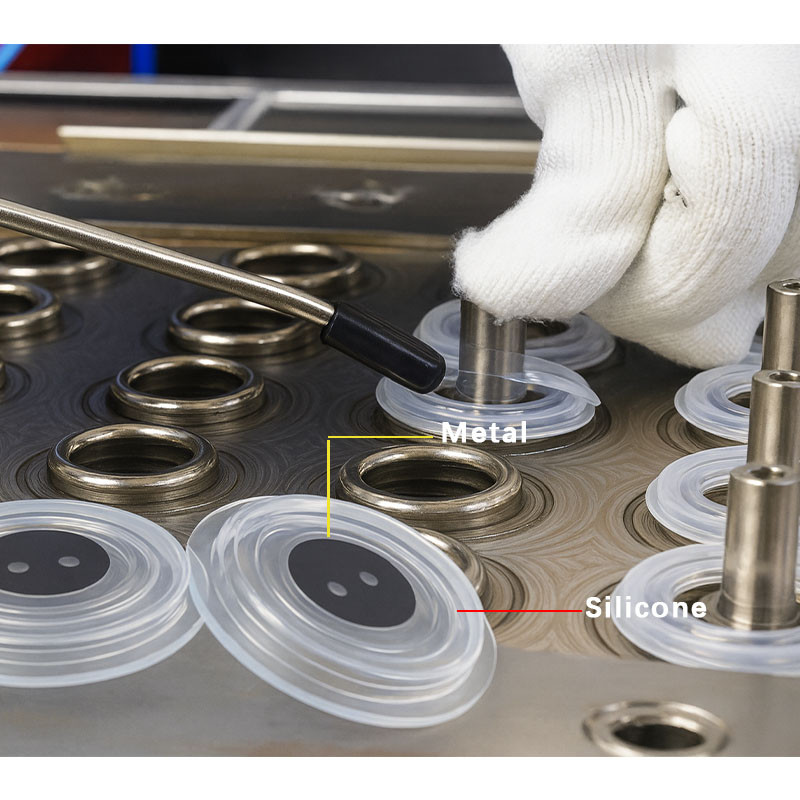
As a National High-Tech Enterprise and “Specialized & Sophisticated” Certified Manufacturer, Siliconeplus specializes in high-precision silicone overmolding solutions. Supported by an experienced engineering team, an in-house mold manufacturing facility, and advanced processing technologies, we deliver fully customized silicone components with exceptional consistency and reliability. This guide explores the top 8 silicone manufacturing strategies that reflect our technical strengths, enabling industrial equipment manufacturers to enhance product quality, improve operational efficiency, and drive sustainable innovation.
1. Precision Formulation and Customization for Industrial Applications
Achieving Tailored Silicone Compounds for Specific Industrial Needs
The foundation of successful silicone manufacturing lies in precise formulation. Industrial equipment demands silicone compounds with specific physical and chemical properties, such as high thermal stability, chemical resistance, and mechanical strength. Our strategy involves leveraging state-of-the-art formulation techniques to develop customized silicone blends that meet exact client
specifications. Key aspects include:
Selecting optimal raw materials: Incorporating high-purity silica, reinforcing agents, and specialized additives.
Balancing properties: Ensuring flexibility, hardness, and elasticity align with application requirements.
Testing and validation: Rigorous lab testing to validate performance under simulated industrial conditions.
Benefits of Customization
Enhanced product lifespan.
Improved resistance to harsh environments.
Greater compatibility with other materials used in equipment assembly.
2. Advanced Molding and Extrusion Technologies
Implementing Cutting-Edge Manufacturing Processes
To produce complex silicone components with precise dimensions and superior surface finishes, we adopt advanced molding and extrusion techniques.
These methods include:
Injection molding: For intricate, high-precision parts.
Compression molding: Suitable for large, thick-walled components.
Silicone extrusion: For continuous profiles like seals and gaskets.
Utilizing computer-aided design (CAD) and computer-aided manufacturing (CAM) systems allows us to optimize mold designs, reduce waste, and accelerate production cycles.
Impact on Industrial Equipment
Consistent dimensional accuracy.
Reduced lead times.
Enhanced repeatability for large-scale production.
3. Stringent Quality Control and Compliance
Implementing Rigorous Inspection Protocols
Quality assurance is central to silicone manufacturing for industrial applications. Our strategy emphasizes comprehensive testing at every production stage.
including:
Raw material inspection.
In-process monitoring.
Final product testing for parameters such as tensile strength, compression set, and thermal stability.
Furthermore, adherence to international standards such as ISO 9001, UL, and RoHS ensures products meet global compliance requirements, vital for B2B clients.
Quality Assurance Benefits
Minimized product failures.
Increased customer confidence.
Reduced warranty and after-sales costs.
4. Sustainable and Eco-Friendly Manufacturing Practices
Integrating Green Technologies in Silicone Production
Sustainability is increasingly critical in industrial manufacturing. We incorporate eco-friendly practices such as:
Utilizing low VOC (Volatile Organic Compounds) materials.
Implementing energy-efficient production lines.
Recycling process waste and by-products.
Adopting green chemistry principles not only reduces environmental impact but also aligns with clients’ sustainability goals, opening new market opportunities.
Sustainable Manufacturing Advantages
Improved brand reputation.
Compliance with environmental regulations.
Long-term cost savings through energy efficiency.
5. Innovative Silicone Compounding and Additive Technologies
Enhancing Material Performance with Additives
Incorporating innovative additives such as flame retardants, UV stabilizers, and anti-fungal agents allows us to tailor silicone compounds for specialized industrial environments.
Advanced compounding techniques enable:
Enhanced thermal management.
Improved chemical resistance.
Greater electrical insulation properties.
This strategic approach ensures silicone components perform reliably under extreme industrial conditions.
6. Automation and Digitalization in Manufacturing
Harnessing Industry 4.0 Technologies
Automation and digitalization are transforming silicone manufacturing processes. We leverage robotic automation, IoT sensors, and real-time data analytics to:
Increase throughput.
Reduce human error.
Optimize resource utilization.
This integration results in cost-effective production, faster delivery times, and consistent quality.
Digital Manufacturing Benefits
| Aspect | Advantage |
| Automation | Higher precision and repeatability |
| IoT Sensors | Real-time monitoring and predictive maintenance |
| Data Analytics | Process optimization and waste reduction |
7. Strategic Supplier Partnerships and Raw Material Sourcing
Ensuring Supply Chain Resilience
Robust supplier relationships are critical for maintaining consistent raw material quality and securing competitive pricing. We establish long-term partnerships with trusted raw material providers, emphasizing:
Quality assurance.
Supply chain transparency.
Rapid response to market fluctuations.
This strategy guarantees the availability of high-grade silicone raw materials vital for industrial-grade products.
8. Continuous Innovation and R&D Investment
Driving Future-Ready Silicone Solutions
We prioritize ongoing research and development to stay ahead of industry trends. Our R&D team explores:
New silicone formulations for emerging industrial needs.
Green chemistry innovations.
Smart silicone materials with embedded sensors or self-healing capabilities.
Investing in innovation ensures our clients benefit from cutting-edge products that provide competitive advantages.
Conclusion: Elevating Silicone Manufacturing for B2B Industrial Equipment
The top 8 silicone manufacturing strategies outlined above are designed to maximize product performance, ensure compliance, and drive sustainable growth in the industrial sector. By focusing on precision formulation, state-of-the-art processes, rigorous quality control, and innovative R&D, we empower our clients to meet and exceed the demanding standards of modern industrial equipment.
In an era where technological innovation and sustainability are paramount, adopting these strategies positions manufacturers at the forefront of the silicone industry. Our commitment to excellence ensures that every silicone component we produce delivers reliability, durability, and performance—the cornerstones of successful B2B industrial solutions.
Website:www.siliconeplus.net
Email:sales11@siliconeplus.net.
Phone:13420974883
Wechat:13420974883