Top 7 Trends Shaping the Future of Liquid Silicone Rubber Overmolding in B2B
- Share
- publisher
- siliconeplus
- Issue Time
- Jan 28,2026
Summary
Discover the top 7 transformative trends revolutionizing liquid silicone rubber overmolding in B2B manufacturing
Introduction:
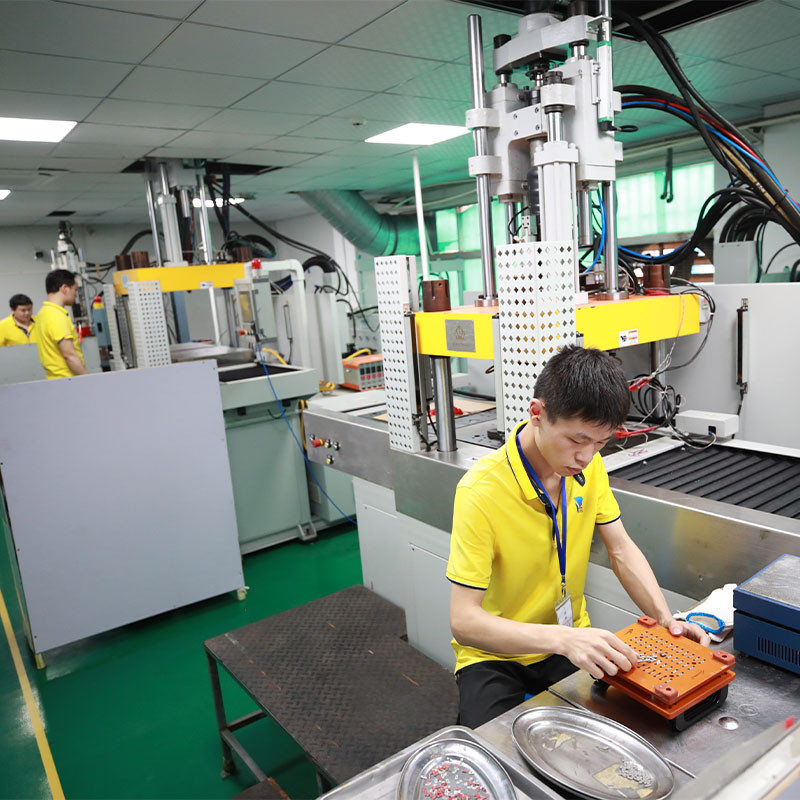
In the rapidly evolving landscape of B2B manufacturing, liquid silicone rubber (LSR) overmolding stands at the forefront of innovation, offering unparalleled flexibility, durability, and performance. As industries demand more sophisticated, sustainable, and cost-efficient solutions, understanding the top trends transforming LSR overmolding becomes essential for manufacturers, engineers, and decision-makers aiming to maintain a competitive advantage.
At Siliconeplus, we combine advanced overmolding expertise with a professional engineering team, a fully independent in-house tooling and mold-making facility, and recognized certifications as a National High-Tech Enterprise and a “Specialized, Refined, and Innovative” (SRDI) company. This unique combination enables us to deliver high-precision, compliant, and innovative LSR solutions that align with the technological advancements, sustainability initiatives, and market dynamics shaping the next era of B2B silicone manufacturing.
1. Advanced Material Formulations Drive Customization and Performance
The foundation of successful liquid silicone rubber overmolding lies in the continual development of advanced formulations. Manufacturers are investing heavily in innovative silicone compounds that offer enhanced mechanical properties, chemical resistance, and biocompatibility.
Key developments include:
High-temperature resistant silicones capable of withstanding extreme operational environments.
Flame-retardant and UV-stable formulations for outdoor and safety-critical applications.
Medical-grade silicones that meet stringent biocompatibility standards for healthcare devices.
These formulations enable customized solutions tailored to specific industry needs, from automotive to medical devices, ensuring long-term durability and functional reliability.
2. Integration of Smart Technologies in Silicone Overmolding
The future of B2B silicone overmolding is increasingly intertwined with smart technology integration. Embedding sensors and electronic components directly into silicone overmolded parts opens new avenues for IoT-enabled products.
Emerging trends include:
Embedded sensors for real-time monitoring of temperature, pressure, or wear.
Conductive silicone formulations facilitating electrical signal transmission within the overmolded structure.
Self-healing silicones that can detect and repair minor damages, extending product lifespan.
This convergence of material science and electronics enables manufacturers to produce intelligent, responsive devices suited for industrial automation, healthcare, and consumer electronics.
3. Sustainability and Eco-Friendly Practices Take Center Stage
Environmental consciousness is reshaping manufacturing paradigms, with sustainable liquid silicone rubber overmolding becoming a core focus. Companies are adopting eco-friendly practices to align with global sustainability goals.
Notable trends include:
Development of biodegradable silicones to reduce environmental impact.
Implementation of green manufacturing processes that minimize waste and energy consumption.
Use of recyclable silicone materials and closed-loop production systems.
Furthermore, green certifications and eco-labeling are becoming vital for market acceptance, especially in sectors like medical, food contact, and consumer products.
4. Precision and Automation in Overmolding Processes
Automation and precision engineering are revolutionizing liquid silicone rubber overmolding. The integration of robotic systems and advanced mold technologies ensures high-volume production with exceptional accuracy.
Key aspects include:
Automated injection molding systems that optimize cycle times and reduce human error.
Multi-material overmolding for complex, multi-functional components.
Real-time quality control using machine vision and sensor feedback.
This evolution supports mass customization, reduces production costs, and enhances product consistency, meeting the demanding standards of B2B markets.
5. Innovations in Mold Design and Manufacturing Technologies
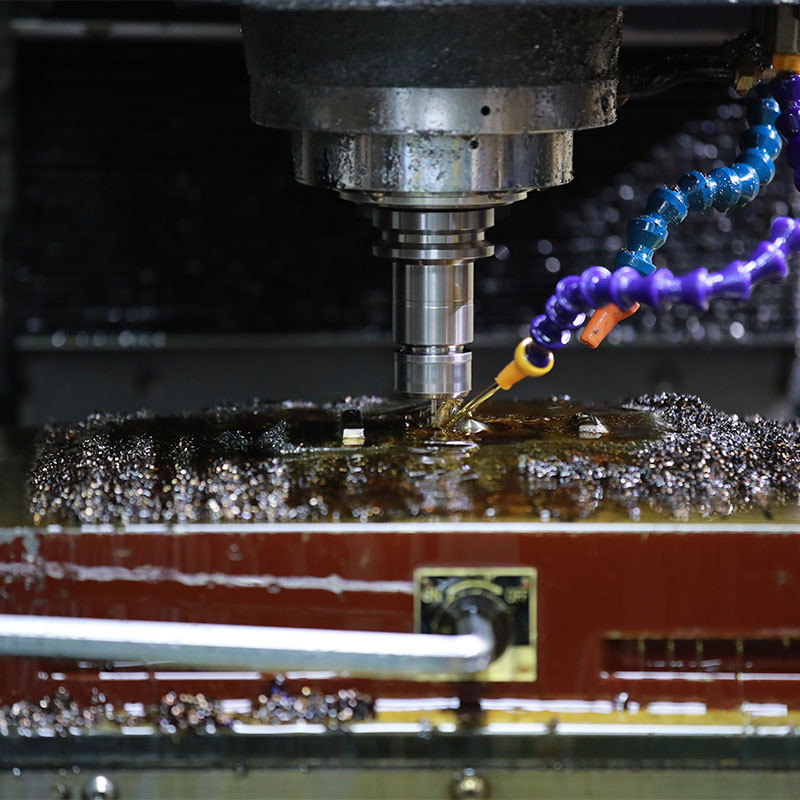
Innovative mold design and manufacturing technologies are critical to unlocking the full potential of liquid silicone rubber overmolding. Additive manufacturing and rapid prototyping are now commonplace, enabling faster development cycles.
Advancements include:
Use of 3D printing to create complex mold geometries previously impossible with traditional methods.
Rapid tooling reduces time-to-market and allows for iterative design testing.
Micro-molding techniques for ultra-fine features and intricate details.
These innovations facilitate customized, complex overmolds with enhanced aesthetic and functional qualities, giving manufacturers a competitive edge.
6. Focus on Health, Safety, and Regulatory Compliance
In sectors such as medical devices, food contact, and wearable technology, regulatory compliance and safety standards are non-negotiable. The future of silicone overmolding is characterized by rigorous adherence to these standards.
Key trends include:
Development of medical-grade silicones that comply with ISO, FDA, and USP standards.
Implementation of traceability systems for raw materials and production processes.
Sterilizable silicones suitable for repeated sterilization cycles without degradation.
Manufacturers investing in compliance and traceability solutions enhance trust and expand market access globally.
7. Market Expansion and New Application Domains
The liquid silicone rubber overmolding market is witnessing expanding applications across diverse industries, driven by technological innovations and market demands.
Emerging application domains include:
Aerospace for lightweight, durable, and thermally resistant components.
Sports and outdoor gear leveraging UV and weather resistance.
Consumer electronics with flexible, shock-absorbing silicone casings.
Robotics and automation requiring precision, durability, and electrical insulation.
This diversification fuels market growth, encouraging R&D investments and partnerships to unlock new opportunities.
Conclusion: Embracing the Future of Liquid Silicone Rubber Overmolding
The future of liquid silicone rubber overmolding in B2B sectors is driven by technological innovation, sustainability, and market diversification. Companies that proactively adopt advanced materials, integrate smart technologies, and prioritize eco-friendly practices will dominate the next wave of manufacturing excellence.
By staying ahead of these seven key trends, industry leaders can maximize product performance, reduce costs, and expand their market reach in an increasingly competitive environment. The transformative power of liquid silicone rubber overmolding promises a future rich with innovative applications, sustainable solutions, and technological breakthroughs that will shape the B2B manufacturing landscape for decades to come.
Website:www.siliconeplus.net
Email:sales11@siliconeplus.net.
Phone:13420974883
Wechat:13420974883