Top 7 Quality Assurance Practices in Silicone Overmolding Manufacturing for B2B
- Share
- publisher
- siliconeplus
- Issue Time
- Jan 28,2026
Summary
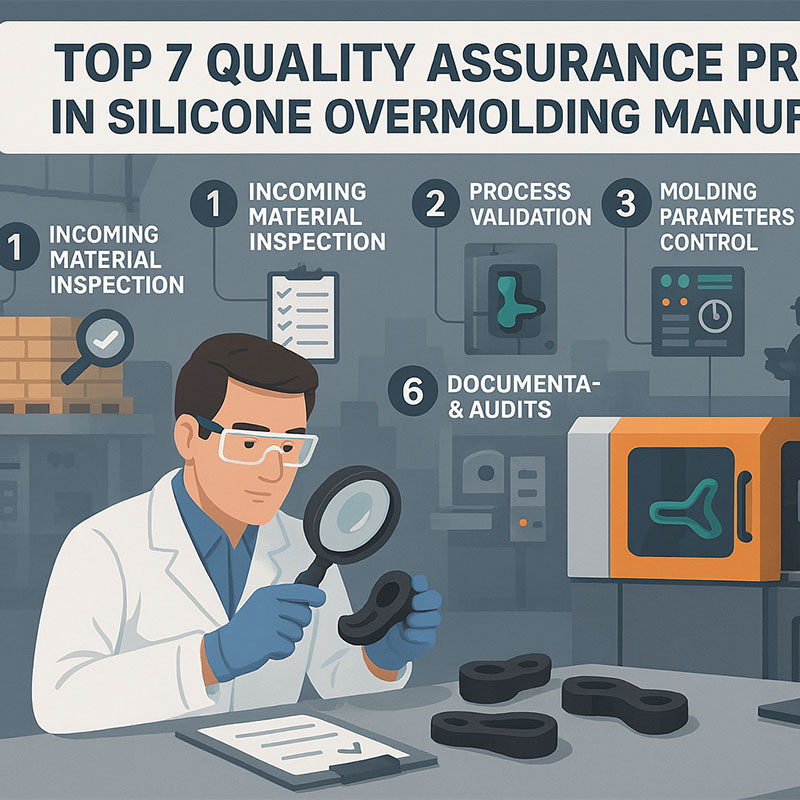
7 key QA practices ensure high-quality silicone overmolding through strict material control, precision molds, cleanrooms.
Introduction:
In the highly competitive landscape of B2B silicone overmolding manufacturing, delivering superior quality is not just a goal but a necessity. Rigorous quality assurance (QA) practices form the foundation of product reliability, long-term performance, customer satisfaction, and strict regulatory compliance. From raw material selection to final inspection, every step of the silicone overmolding process must be precisely controlled to achieve consistent, high-quality results.
At Siliconeplus, quality excellence is driven by advanced silicone overmolding expertise, a dedicated professional engineering team, and a fully independent in-house tooling and mold-making facility. As a National High-Tech Enterprise and a “Specialized, Refined, and Innovative” (SRDI) certified manufacturer, we integrate engineering innovation with robust QA systems to ensure every overmolded silicone component meets or exceeds global B2B industry standards. This guide outlines the seven most critical QA practices that underpin our commitment to precision, reliability, and manufacturing excellence.
1. Stringent Raw Material Inspection and Certification
The foundation of high-quality silicone overmolding begins with the raw materials. Every batch of silicone rubber must meet strict specifications to guarantee performance, durability, and safety. We implement comprehensive incoming material testing,
including:
Material certification verification from suppliers
Viscosity testing to ensure proper flow characteristics
Purity analysis to detect contaminants or impurities
Tensile strength and elongation tests to assess elasticity and durability
Temperature resistance assessments suitable for end-use environments
Why it matters:
Using certified, high-grade silicone minimizes defects, reduces rework, and ensures compliance with industry standards such as ISO 10993 for biocompatibility or UL certifications for safety.
2. Precise Mold Design and Validation
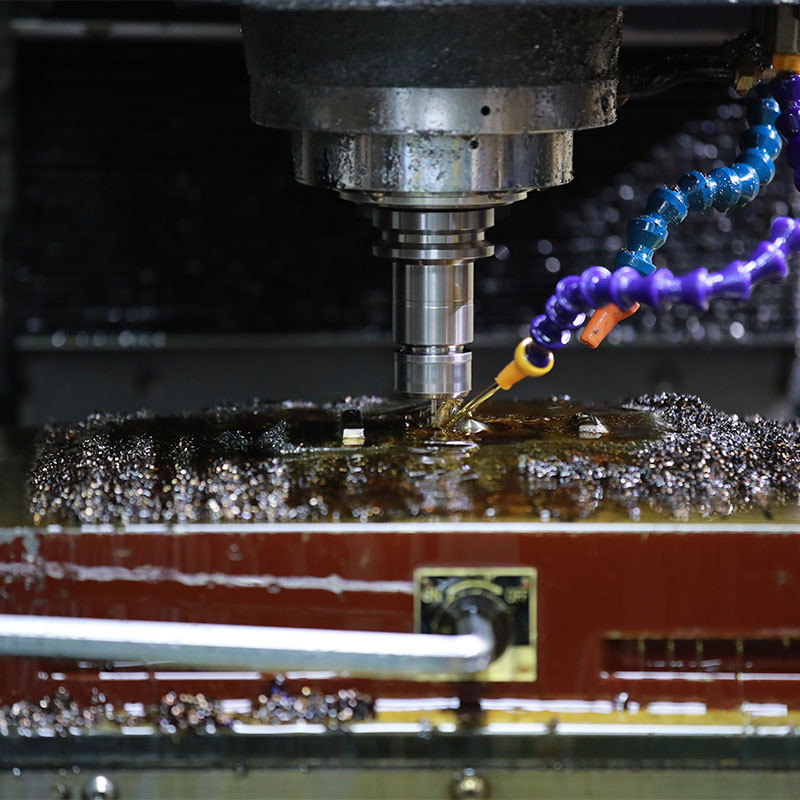
A meticulously designed mold is critical to achieving consistent product quality. Our design validation process involves:
Finite Element Analysis (FEA) to simulate molding stresses and flow
Prototype testing to identify potential issues before mass production
Dimensional accuracy checks using 3D scanning and coordinate measuring machines (CMMs)
Material flow simulation to prevent defects like voids, sink marks, or incomplete fills
Implementation of validation protocols ensures that the mold design aligns perfectly with product specifications, functional requirements, and aesthetic standards.
3. Controlled Manufacturing Environment
Maintaining a clean, controlled environment is essential to prevent contamination and ensure consistent quality. Our manufacturing facilities adhere to ISO 14644 Class 8 or better cleanroom standards,
featuring:
Temperature and humidity control within tight tolerances
Air filtration systems to eliminate dust and airborne particles
Strict personnel hygiene protocols
Regular equipment calibration and maintenance
Impact:
A controlled environment reduces defects caused by environmental factors, such as contamination or moisture ingress, which can compromise silicone integrity and adhesion quality.
3. Controlled Manufacturing Environment
Maintaining a clean, controlled environment is essential to prevent contamination and ensure consistent quality. Our manufacturing facilities adhere to ISO 14644 Class 8 or better cleanroom standards,
featuring:
Temperature and humidity control within tight tolerances
Air filtration systems to eliminate dust and airborne particles
Strict personnel hygiene protocols
Regular equipment calibration and maintenance
Impact:
A controlled environment reduces defects caused by environmental factors, such as contamination or moisture ingress, which can compromise silicone integrity and adhesion quality.
4. Advanced Process Monitoring and Control
Real-time process monitoring is vital to maintaining process stability and product consistency.
Our practices include:
Automated injection molding controls that regulate pressure, temperature, and cycle times
Data acquisition systems to track process parameters continuously
Statistical process control (SPC) tools to detect deviations promptly
In-process inspection checkpoints for critical dimensions and visual quality
Benefits:
Proactive adjustments based on data analysis prevent batch defects, reduce material waste, and guarantee uniform product quality.
5. Rigorous In-Process and Final Inspection Protocols
Inspection is the final gatekeeper in our QA arsenal.
It encompasses:
Visual inspection for surface defects, blemishes, or inconsistencies
Dimensional verification against tight tolerances using coordinate measuring machines
Adhesion testing to ensure silicone bonds properly to substrates
Hardness and elasticity testing to verify mechanical properties
Leak testing for sealed or fluid-exposed components
Biocompatibility testing for medical applications
Documentation:
All inspection results are meticulously recorded, enabling traceability and continuous improvement.
6. Comprehensive Testing for Performance and Durability
Post-production testing validates that the silicone overmolded parts meet end-use performance requirements.
Key tests include:
Environmental stress testing, such as temperature cycling, UV exposure, and moisture resistance
Mechanical fatigue testing to simulate real-world wear
Electrical testing for components used in electronic applications
Chemical resistance tests for parts exposed to oils, solvents, or cleaning agents
Long-term aging studies to assess degradation over time
Outcome:
These tests confirm that the product can withstand harsh operational conditions, ensuring long-term reliability.
7. Detailed Documentation and Quality Traceability
Complete documentation is essential for regulatory compliance, quality audits, and customer confidence.
Our QA system includes:
Batch records for raw materials, process parameters, and inspections
Non-conformance reports (NCRs) and corrective action reports (CARs)
Traceability systems linking each product to its manufacturing lot and inspection data
Certifications and test reports provided to customers
Continuous improvement records for process enhancements
Significance:
Transparent documentation facilitates traceability, quick root cause analysis in case of defects, and fosters trust with our B2B clients.
Conclusion: Elevating Silicone Overmolding Quality through Proven Practices
Achieving excellence in silicone overmolding manufacturing demands unwavering commitment to quality assurance at every step. From raw material selection to final testing, these 7 QA practices form a comprehensive framework that guarantees product consistency, safety, and performance.
Our dedication to rigorous standards ensures that our B2B clients receive reliable, high-quality silicone components that meet or exceed industry expectations. Embracing these practices not only minimizes defects and rework costs but also strengthens brand reputation and customer loyalty.
Partner with us to experience manufacturing that embodies precision, reliability, and industry-leading quality assurance standards.
Website:www.siliconeplus.net
Email:sales11@siliconeplus.net.
Phone:13420974883
Wechat:13420974883