Top 7 Key Factors for Successful B2B Liquid Silicone Rubber Overmolding Projects
- Share
- publisher
- siliconeplus
- Issue Time
- Jan 13,2026
Summary
A practical guide outlining 7 critical factors to ensure quality, efficiency, and success in B2B LSR overmolding projects.
Introduction:
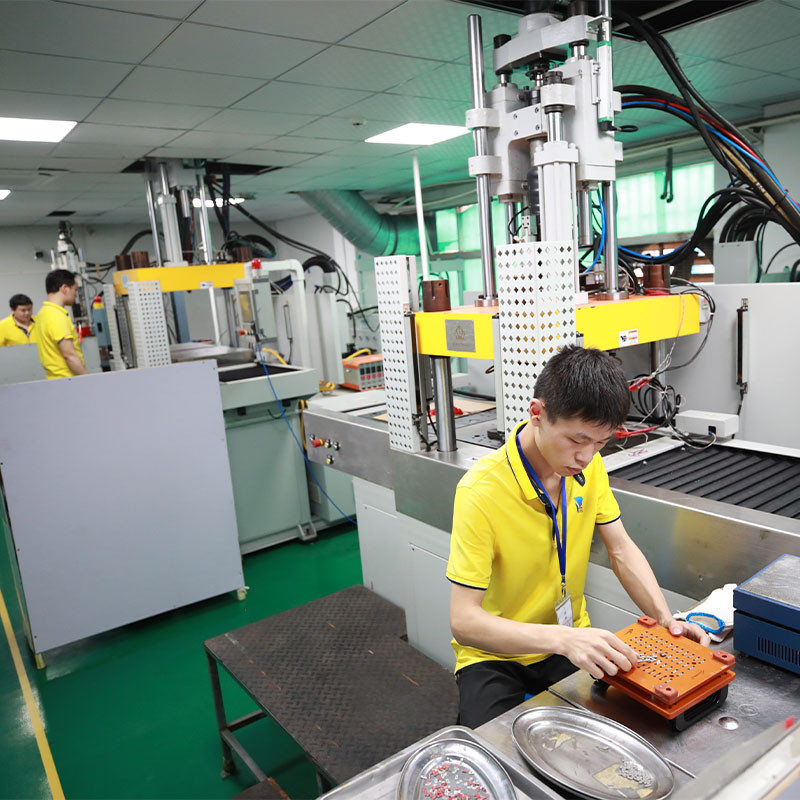
In the competitive B2B manufacturing landscape, liquid silicone rubber (LSR) overmolding has become a transformative technology, delivering durable, flexible, and high-performance products across healthcare, automotive, consumer electronics, and industrial equipment. At Siliconeplus, we combine expert LSR overmolding technology, a professional engineering team, in-house mold capabilities, and recognition as a National High-Tech and Specialized Innovation Enterprise to ensure every project meets the highest standards. In this guide, we reveal the 7 key factors essential for successful B2B LSR overmolding, helping manufacturers and engineers optimize quality, efficiency, and cost-effectiveness.
1. Precise Material Selection and Compatibility
Material compatibility is the cornerstone of any successful overmolding project. The choice of liquid silicone rubber must align precisely with the substrate material to prevent issues such as poor adhesion, delamination, or material degradation.
Key Considerations:
Chemical Compatibility: Ensure the LSR formulation is compatible with the base material, whether it is thermoplastics, metals, or other elastomers.
Temperature Resistance: Select materials that can withstand the processing temperatures without compromising their properties.
Mechanical Properties: The rubber should provide the desired flexibility, durability, and resilience suitable for the end-use application.
Biocompatibility and Safety: For healthcare or consumer products, opt for medical-grade or food-safe silicones to meet regulatory standards.
Expert Tip:
Conduct thorough compatibility testing before full-scale production. Utilize test coupons to evaluate adhesion strength, elasticity, and chemical stability.
2. Optimized Molding Design and Tooling Precision
The design of the mold and precision of tooling directly impact the quality and repeatability of overmolding outcomes.
Design Best Practices:
Multi-Cavity Molds: Increase production efficiency while maintaining uniformity.
Ventilation and Degassing: Incorporate proper venting channels to prevent air entrapment, which can cause voids or weak spots.
Part Geometry: Design for ease of demolding, avoiding undercuts or complex geometries that complicate the process.
Alignment Features: Use dowel pins or registration marks to ensure consistent positioning between the substrate and overmold.
Manufacturing Excellence:
Invest in high-precision CNC machining for mold fabrication to achieve tight tolerances, ensuring flawless fit and function.
3. Advanced Process Control and Temperature Management
Overmolding with liquid silicone rubber demands tight process control, especially regarding temperature regulation during injection and curing.
Critical Parameters:
Injection Temperature: Must be optimized to ensure proper flow without degrading the material.
Curing Cycle: Precise control of curing time and temperature guarantees complete vulcanization and optimal mechanical properties.
Mold Temperature: Maintaining consistent mold temperatures (typically between 50°C and 120°C) enhances surface finish and adhesion.
Cycle Time Optimization: Balance speed with quality to maximize throughput without sacrificing product integrity.
Technology Integration:
Employ advanced sensors and autom
4. Surface Preparation and Substrate Conditioning
The initial surface condition of the substrate significantly influences the adhesion and overall quality of the overmolded product.
Preparation Techniques:
Cleaning: Remove oils, dust, and contaminants using solvents or ultrasonic cleaning.
Surface Roughening: Light abrasion or plasma treatment enhances mechanical interlocking.
Primers or Adhesion Promoters: Apply specialized primers compatible with both substrate and silicone rubber to improve bond strength.
Preheating: Slight warming of substrates can promote better flow and adhesion during overmolding.
Best Practice:
Implement a standardized surface treatment protocol to ensure consistency across production batches.
5. Rigorous Quality Control and Inspection Protocols
Achieving consistent quality in liquid silicone overmolding necessitates comprehensive inspection strategies.
Inspection Focus Areas:
Visual Inspection: Check for surface defects, voids, or delamination.
Dimensional Accuracy: Use coordinate measuring machines (CMM) or optical comparators to verify tolerances.
Adhesion Testing: Conduct peel or pull tests to assess bond strength.
Mechanical Testing: Evaluate flexibility, tensile strength, and tear resistance.
Environmental Testing: Simulate real-world conditions such as temperature cycling, humidity, and chemical exposure.
Implementing SPC:
Use Statistical Process Control (SPC) tools to monitor process stability and identify trends before defects occur.
6. Skilled Workforce and Continuous Training
The complexity of liquid silicone rubber overmolding demands a workforce equipped with specialized skills and knowledge.
Training Focus:
Material Handling: Proper storage, mixing, and handling procedures.
Process Operation: Precise machine setup, parameter adjustment, and troubleshooting.
Quality Assurance: Recognizing defects and implementing corrective actions.
Safety Protocols: Handling of chemicals and operation of high-temperature equipment.
Investment in Talent:
Regular training programs and certification courses ensure personnel remain proficient and updated on technological advances.
7. Strategic Partnership with Experienced Overmolding Specialists
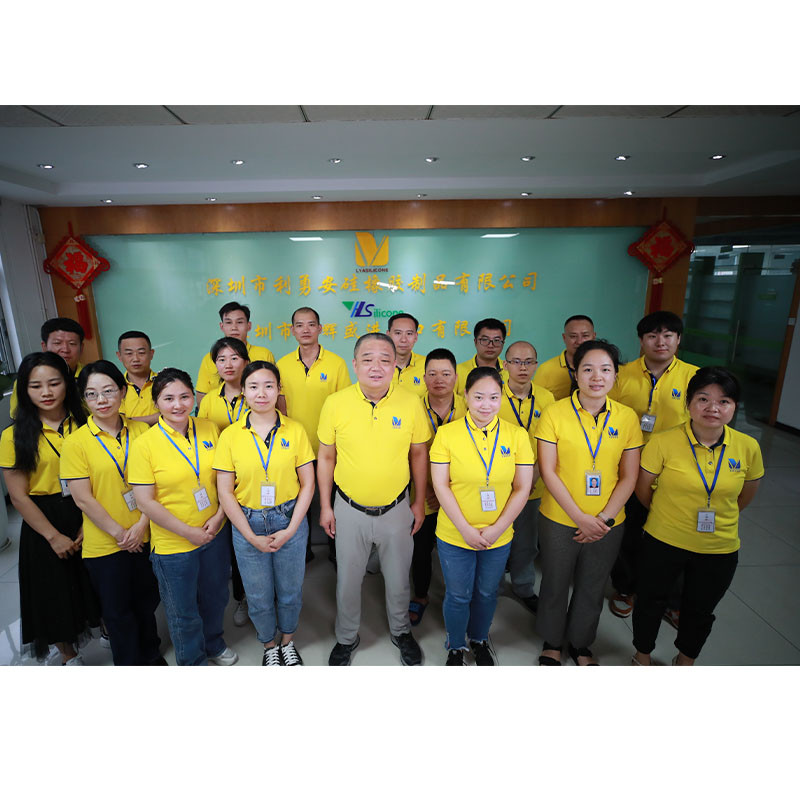
Partnering with an experienced overmolding expert like Siliconeplus provides numerous advantages, including access to advanced technologies, proven methodologies, and comprehensive support.
Benefits of Collaboration:
Technical Expertise: Customized solutions tailored to specific project requirements.
Resource Optimization: Reduced lead times and minimized waste.
Regulatory Compliance: Guidance on meeting industry standards and certifications.
Innovation: Access to the latest materials and process innovations.
Case Study Highlight:
Our collaboration with a leading healthcare device manufacturer resulted in a 100% success rate in overmolding complex silicone components, reducing defect rates by over 30% and cutting production costs significantly.
Key Process Parameters for Liquid Silicone Overmolding
Parameter | Recommended Range | Purpose |
| Injection Temperature | 160°C – 200°C | Ensures proper flow and curing |
Mold Temperature | 50°C – 120°C | Improves surface finish and adhesion |
Curing Time | 2 – 10 minutes depending on thickness | Achieves complete vulcanization |
| Pressure | Optimized per mold design | Prevents voids and ensures uniform fill |
| Cooling Time | Sufficient to stabilize part dimensions | Reduces warping and residual stresses |
Conclusion: Elevate Your B2B Liquid Silicone Rubber Overmolding Projects
Achieving excellence in liquid silicone rubber overmolding is a multi-faceted endeavor that hinges on meticulous material selection, precise tooling design, rigorous process control, and expert collaboration. By focusing on these 7 critical factors, manufacturers can significantly improve product quality, operational efficiency, and overall project success.
At [Your Company Name], we are committed to delivering industry-leading overmolding solutions that meet and exceed client expectations. Our comprehensive approach ensures that every project benefits from advanced technology, rigorous quality standards, and dedicated expertise — empowering your business to thrive in the competitive B2B landscape.
Website:www.siliconeplus.net
Email:sales11@siliconeplus.net.
Phone:13420974883
Wechat:13420974883