Top 6 Ways to Improve Durability of B2B Products Using Liquid Silicone Rubber Overmolding
- Share
- publisher
- siliconeplus
- Issue Time
- Jan 26,2026
Summary
Top 6 strategies using LSR overmolding to enhance B2B product durability, and lifespan across industrial applications.
Introduction:
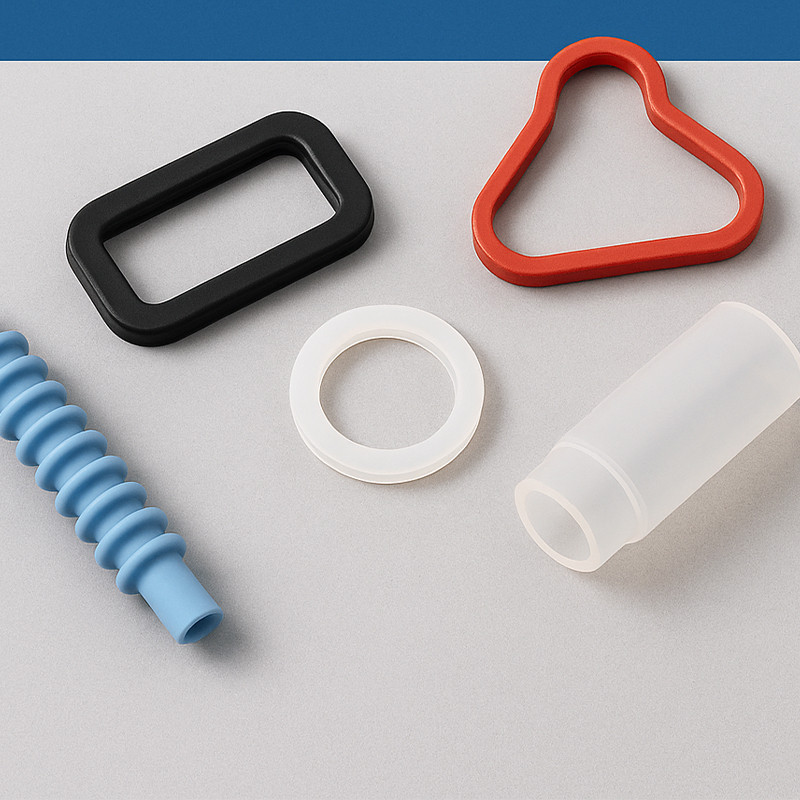
In the highly competitive B2B landscape, product durability is paramount, and companies are constantly seeking innovative solutions to extend product lifespan, improve performance, and reduce maintenance costs. Siliconeplus leverages advanced Liquid Silicone Rubber (LSR) overmolding technology, supported by a professional engineering team, an in-house mold shop. to deliver exceptionally durable industrial components, electronic housings, medical devices, and consumer electronics. This comprehensive guide explores the six most effective strategies to maximize product resilience using LSR overmolding.
1. Optimize Material Selection for Superior Wear Resistance and Temperature Stability
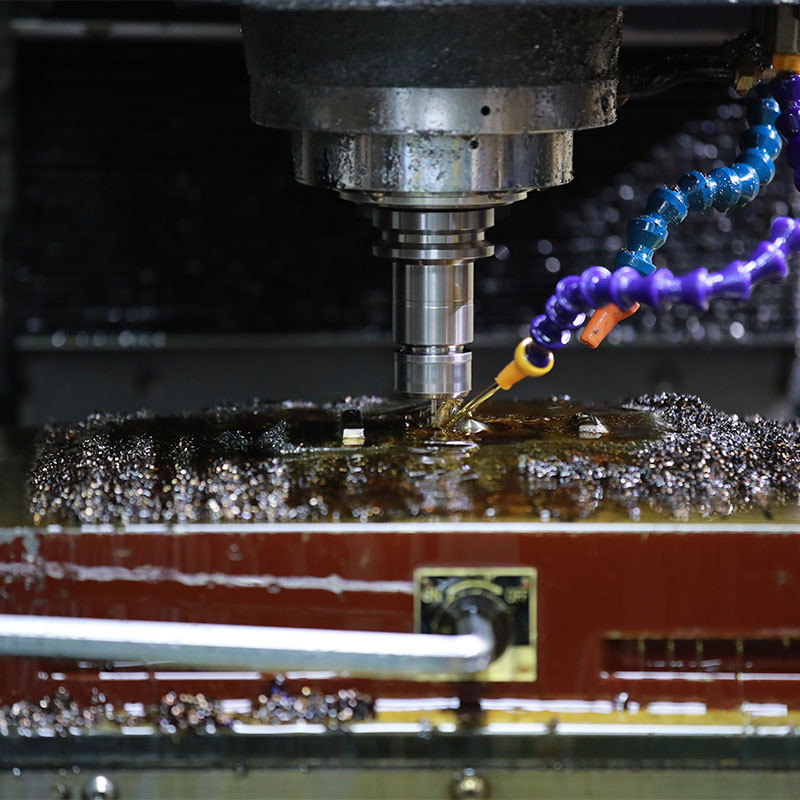
Choosing the appropriate liquid silicone rubber formulation is foundational to enhancing product durability. LSR offers an exceptional combination of flexibility, chemical resistance, and thermal stability. However, not all silicone grades are created equal—selecting formulations with enhanced wear resistance and broad temperature ranges is critical.
Key Considerations in Material Selection
High-Performance Silicone Grades: Opt for LSR variants with additives like fumed silica or reinforcing fillers to improve wear and tear resistance.
Temperature Range: Use formulations capable of withstanding extreme temperatures (-55°C to +250°C), ensuring consistent performance in harsh environments.
Chemical Compatibility: Select LSR that resists oxidation, UV exposure, and chemical corrosion to prolong the lifespan of the overmolded product.
Impact on Durability
A meticulously chosen silicone formulation ensures that the overmolded layer provides long-term protection against mechanical stresses, environmental factors, and chemical assaults, significantly extending product longevity.
2. Enhance Mechanical Bonding Through Precise Molding Techniques
The interfacial adhesion between the base substrate and the LSR layer is vital for durability. Poor bonding can lead to delamination, cracking, and eventual failure.
Strategies for Superior Bonding
Surface Preparation: Clean surfaces thoroughly to remove oils, dust, and oxidation. Techniques such as plasma treatment, corona discharge, or chemical priming can substantially improve adhesion.
Surface Texturing: Incorporate micro-roughness or specific textures on the substrate to promote mechanical interlocking with the silicone.
Optimized Molding Conditions: Control temperature, pressure, and cycle time precisely during overmolding to achieve uniform layer thickness and strong bonds.
Resulting Benefits
By ensuring robust adhesion, the overmolded silicone layer resists peeling, cracking, and material fatigue, thereby enhancing overall durability under repeated mechanical stresses.
3. Implement Multi-Layer Overmolding for Enhanced Mechanical and Environmental Resistance
Single-layer overmolding provides a baseline level of durability, but multi-layer overmolding introduces additional protection layers that significantly improve product resilience.
Implementation of Multi-Layer Overmolding
Core Layer: Use a rigid or semi-rigid substrate for structural strength.
Intermediate Layer: Apply a flexible silicone layer for shock absorption and impact resistance.
Outer Layer: Add a highly resistant silicone coating with UV stabilizers, antioxidants, and chemical barriers.
Advantages of Multi-Layer Structures
Enhanced Shock Absorption: Dampen vibrations and impacts, preventing internal component damage.
Superior Environmental Resistance: Protect against UV radiation, moisture ingress, and chemical exposure.
Extended Product Lifespan: Multi-layer configurations distribute stresses and environmental loads, reducing wear and degradation over time.
4. Incorporate Reinforcing Fillers to Boost Mechanical Strength
Reinforcing fillers are additives integrated into the LSR formulation to improve mechanical properties such as tensile strength, tear resistance, and abrasion resistance.
Common Reinforcing Fillers
Silica: Enhances elasticity and abrasion resistance.
Carbon Black: Improves tensile strength and UV stability.
Glass Fibers: Add rigidity and dimensional stability.
Application and Benefits
By carefully selecting and dispersing these fillers within the silicone matrix, manufacturers can produce overmolded components capable of withstanding extreme mechanical stresses, abrasion, and long-term wear, significantly augmenting product durability.
5. Utilize Advanced Overmolding Process Controls for Consistent Quality
Achieving uniform, defect-free overmolds requires precise process control. Variations in temperature, pressure, or injection speed can introduce flaws that compromise durability.
Best Practices in Overmolding
Temperature Regulation: Maintain consistent mold and material temperatures to ensure proper flow and adhesion.
Injection Control: Fine-tune injection pressure and speed to prevent air entrapment and void formation.
Cycle Optimization: Balance cycle times to prevent material degradation or incomplete curing.
Impact on Product Durability
Consistent process control minimizes defects, weak points, and material inconsistencies, leading to robust overmolds with superior mechanical integrity and environmental resilience.
6. Implement Post-Processing Treatments to Extend Material Lifespan
Post-processing techniques can further enhance the properties of overmolded products, offering additional durability benefits.
Effective Post-Processing Methods
UV Curing and Stabilization: Use UV treatments to cross-link surface layers, improving UV resistance.
Heat Aging: Subject products to controlled heat cycles to accelerate aging and identify potential failure points.
Chemical Sealants: Apply protective coatings or sealants that bond chemically with the silicone surface, providing additional moisture and chemical barrier.
Advantages
These treatments can significantly slow down degradation processes, prevent cracking, and maintain mechanical properties over prolonged periods, ultimately extending the service life of B2B products.
Comparative Analysis of Overmolding Techniques and Durability Benefits
| Technique | Key Benefits | Typical Applications |
Material Optimization | Wear resistance, temperature stability | Medical devices, industrial sensors |
Surface Preparation & Bonding | Strong adhesion, crack prevention | Electronic housings, connectors |
Multi-Layer Overmolding | Shock absorption, environmental resistance | Automotive, aerospace components |
| Reinforcing Fillers | Mechanical strength, UV stability | Heavy-duty industrial parts |
| Process Control | Consistency, defect reduction | Mass production of high-reliability parts |
| Post-Processing Treatments | Extended lifespan, surface protection | Outdoor equipment, consumer electronics |
Conclusion: Elevate B2B Product Durability with Strategic Liquid Silicone Rubber Overmolding
Implementing these six advanced methods—from material optimization to post-processing—can dramatically enhance the durability, performance, and reliability of B2B products. Liquid Silicone Rubber overmolding not only provides superior environmental resistance and mechanical strength but also allows for design flexibility and cost-effective manufacturing.
As industries demand long-lasting, high-performance components, embracing these strategies positions manufacturers at the forefront of innovation, ensuring their products withstand the rigors of demanding operational environments.
Website:www.siliconeplus.net
Email:sales11@siliconeplus.net.
Phone:13420974883
Wechat:13420974883