Top 6 Silicone Overmolding Solutions for B2B Connectivity Devices
- Share
- publisher
- siliconeplus
- Issue Time
- Jan 30,2026
Summary
Top 6 silicone overmolding solutions improve waterproofing, thermal resistance, and reliability for B2B connectivity devices.

Introduction:
In the rapidly evolving landscape of B2B connectivity devices, silicone overmolding has emerged as an essential technology for ensuring robust protection, enhanced durability, and superior performance. As industries increasingly demand reliable, waterproof, and temperature-resistant solutions, selecting the right silicone overmolding method becomes critical for manufacturers seeking to outpace competitors and deliver superior products.
At Siliconeplus, our expertise in silicone overmolding ensures precision and excellence, backed by a professional engineering team, in-house mold facilities, and certifications including National High-Tech and Specialized & New Enterprise recognition. Our top-tier capabilities enable us to deliver cutting-edge solutions that meet the stringent requirements of industrial, medical, and consumer electronics sectors, providing long-lasting protection against environmental stressors, mechanical impacts, and chemical exposure.
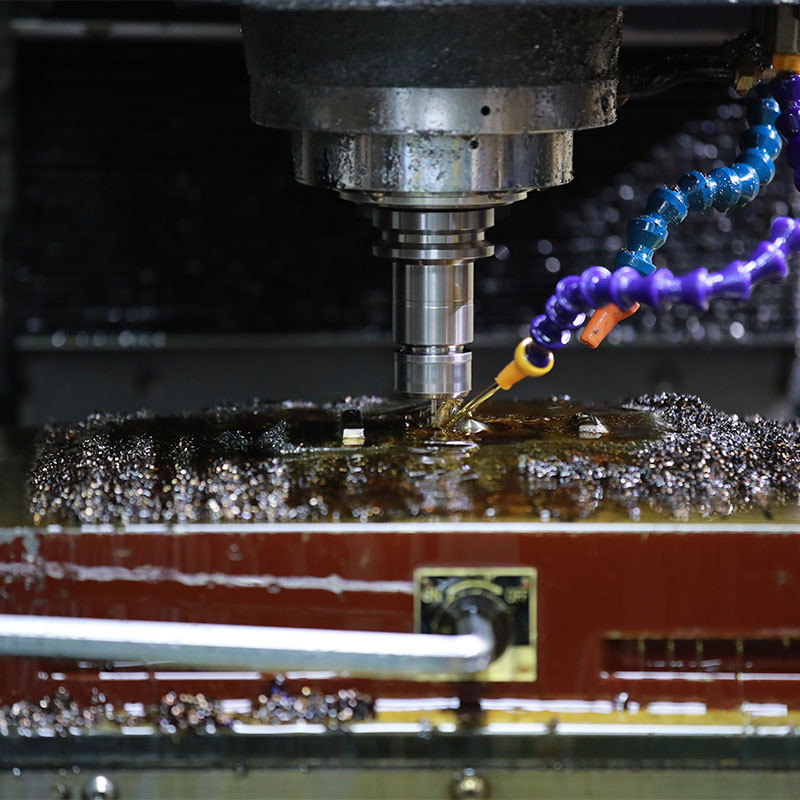
Understanding Silicone Overmolding in B2B Connectivity Devices
Silicone overmolding involves encapsulating or coating electronic components with silicone elastomer, creating a protective, flexible, and insulating layer. This process not only improves device resilience but also enhances user safety by providing shock absorption, waterproofing, and chemical resistance.
In B2B connectivity devices, where reliability and longevity are non-negotiable, silicone overmolding offers customized solutions that cater to specific environmental challenges, including extreme temperatures, moisture ingress, UV exposure, and mechanical vibrations.
Why Silicone Overmolding Is Indispensable for B2B Connectivity Devices
Superior Waterproofing: Silicone's inherent water and moisture resistance safeguards sensitive electronics from ingress, crucial for outdoor or industrial applications.
Temperature Resilience: Silicone elastomers withstand wide temperature ranges (-55°C to +250°C), ensuring device functionality in harsh environments.
Chemical and UV Resistance: Silicone resists corrosion, chemicals, and UV degradation, extending device lifespan.
Enhanced Mechanical Protection: Flexible yet tough, silicone absorbs shocks, vibrations, and impacts, reducing potential damage.
Improved Ergonomics and Aesthetics: Overmolded devices benefit from better grip, tactile feel, and professional appearance.
Top 6 Silicone Overmolding Solutions for B2B Connectivity Devices
Liquid Silicone Rubber (LSR) is renowned for its high precision, excellent flowability, and fast curing times. Its ultra-clean and biocompatible nature makes it ideal for medical-grade connectivity devices.
Advantages:
Rapid production cycles
High clarity and transparency options
Superior electrical insulation properties
Exceptional thermal stability
Applications:
Sensor housings, medical connectors, waterproof enclosures.
2. Compression Molding for Silicone Encapsulation
Compression molding involves placing silicone preforms into a mold cavity and applying heat and pressure to form a seamless overmold. It’s best suited for large-volume production of robust, impact-resistant connectivity components.
Advantages:
High production efficiency
Consistent wall thickness
Suitable for complex geometries
Applications:
Heavy-duty cable connectors, industrial junction boxes.
3. Insert Overmolding with Silicone Elastomers
Insert overmolding integrates metal or plastic inserts within silicone shells, creating highly durable composite components. This method is perfect for connectors requiring metal contacts combined with silicone housing.
Advantages:
Enhanced mechanical strength
Precise control over electrical contacts
Improved environmental sealing
Applications:
Industrial connectors, RF and microwave interfaces.
4. Two-Shot Silicone Overmolding
Two-shot molding involves sequentially injecting two different silicone formulations to produce multilayered, multifunctional components. This process enables integrated sealing, branding, and tactile features.
Advantages:
Multicolor and textured finishes
Enhanced sealing with multiple layers
Reduced assembly steps
Applications:
Smart device casings, ruggedized connectors with branding.
5. Silicone Gel Encapsulation Solutions
Silicone gel encapsulation provides flexible, conformal coating for sensitive electronic modules, offering shock absorption and moisture ingress protection without rigid constraints.
Advantages:
Superior vibration damping
Easy rework and repair
Excellent thermal dissipation
Applications:
Sensitive sensors, wireless modules, IoT connectivity devices.
6. Hot-Plate and Vacuum Silicone Overmolding
This hybrid approach combines hot-plate curing with vacuum-assisted molding to produce high-precision, bubble-free silicone overmolds suitable for high-reliability applications.
Advantages:
High-quality surface finish
Minimal voids and defects
Suitable for complex, tight-tolerance components
Applications:
High-frequency connectors, aerospace-grade communication devices.
Key Factors in Selecting the Optimal Silicone Overmolding Solution
Factor | Considerations | Impact on Choice |
Application Environment | Exposure to moisture, chemicals, temperature extremes | Choose solutions with superior sealing and temperature resistance (LSR, two-shot) |
| Production Volume | Small batch vs. high-volume manufacturing | Liquid silicone and compression molding excel in volume scalability |
| Design Complexity | Geometries, insert requirements | Insert overmolding and two-shot processes allow complex designs |
| Electrical Requirements | Insulation, conductivity | Silicone's insulating properties are ideal, with insert molding for conductive contacts |
| Cost Constraints | Budget limitations | Compression molding offers cost-effective mass production |
Innovations in Silicone Overmolding for B2B Connectivity Devices
Recent advancements include nanocomposite silicone formulations that enhance thermal conductivity and mechanical strength, and bio-compatible silicone variants for medical applications. Additionally, smart silicone materials embedded with sensors enable self-monitoring connectivity devices. These innovations are setting new standards for durability, functionality, and integration in industrial connectivity solutions.
Conclusion: Elevating Connectivity Device Performance with the Right Overmolding Solution
Choosing the appropriate silicone overmolding technology is a strategic decision that directly influences the reliability, lifespan, and user experience of B2B connectivity devices. Whether it's liquid silicone rubber for rapid, precise encapsulation, insert overmolding for combining metal and silicone components, or two-shot molding for multifunctional finishes, the correct solution aligns with application demands and production goals.
As industry leaders, we continuously innovate and optimize our silicone overmolding processes to deliver tailored, high-performance solutions that outperform competitors and meet the rigorous standards of modern industrial environments. Our commitment is to provide end-to-end support, from design consultation to mass production, ensuring your connectivity devices achieve maximum durability, safety, and market success.
Website:www.siliconeplus.net
Email:sales11@siliconeplus.net.
Phone:13420974883
Wechat:13420974883