Top 6 Eco-Friendly Silicone Manufacturing Practices for B2B Companies | Sustainable Silicone Production
- Share
- publisher
- siliconeplus
- Issue Time
- Jan 24,2026
Summary
Six eco-friendly silicone manufacturing practices helping B2B companies reduce environmental impact while improving efficiency.
Introduction:
In the rapidly evolving landscape of industrial manufacturing, eco-friendly practices are no longer optional but essential for B2B companies striving to lead in sustainability and corporate responsibility. As a versatile material widely used across industries—from electronics and industrial equipment to healthcare—silicone manufacturing must prioritize minimizing environmental impact while maintaining high performance and reliability.
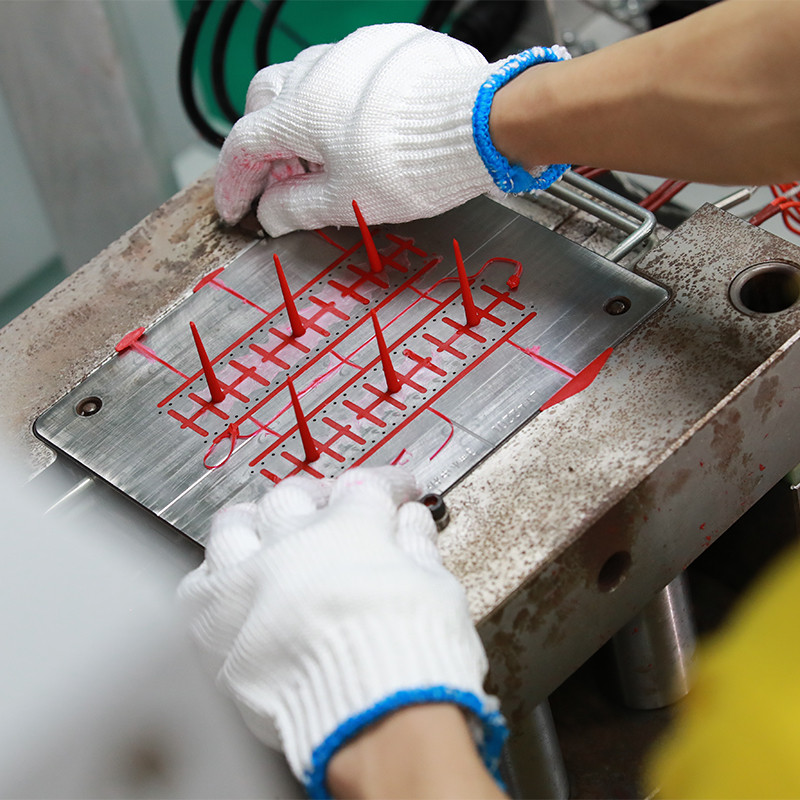
As a National High-Tech Enterprise and a “Specialized & Sophisticated” certified manufacturer, Siliconeplus combines advanced silicone overmolding expertise, a professional engineering team, and an in-house mold workshop to deliver sustainable, high-precision solutions. Through responsible material selection, efficient manufacturing processes, and continuous innovation, this guide explores the top six eco-friendly silicone manufacturing practices that help B2B companies achieve regulatory compliance, operational efficiency, and long-term competitive advantage.
1. Implementing Green Raw Material Sourcing for Sustainable Silicone Production
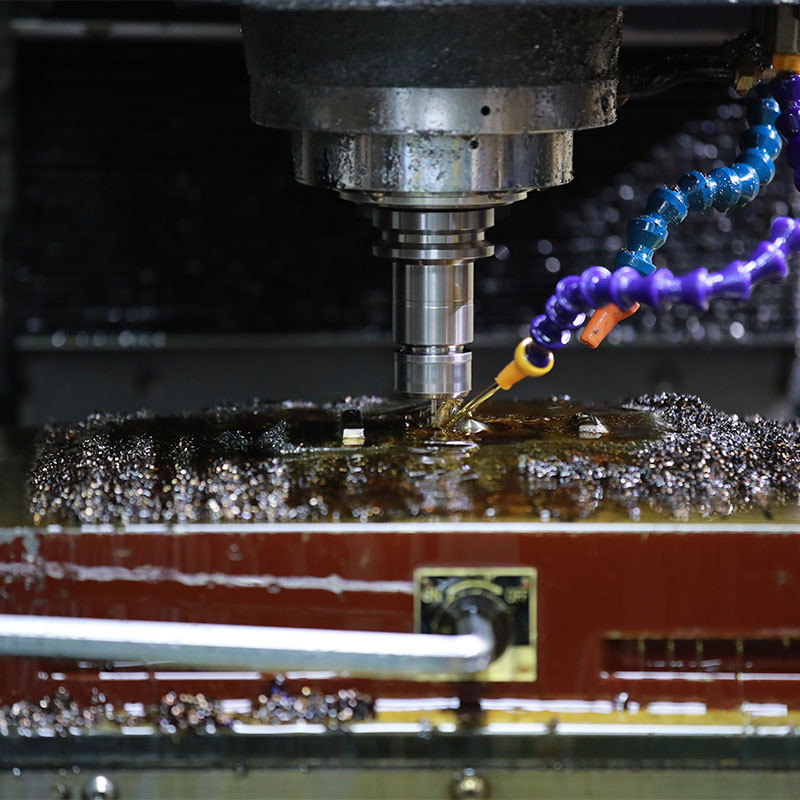
Eco-conscious raw material sourcing stands at the foundation of sustainable silicone manufacturing. Traditionally, silicone production relies on silica derived from quartz, which involves energy-intensive mining processes. Modern B2B companies are shifting toward responsible sourcing strategies that prioritize renewable and environmentally friendly raw materials.
Key practices include:
Partnering with suppliers committed to sustainable mining practices, ensuring minimal habitat disruption and reduced carbon footprint.
Utilizing recycled silica where possible, sourced from industrial waste or post-consumer materials.
Incorporating bio-based feedstocks such as bio-silicone, derived from renewable resources like plant-based oils, which significantly reduce reliance on fossil fuels.
Conducting rigorous supplier audits to verify adherence to environmental standards, including certifications like ISO 14001 and FSC.
Benefits:
This approach not only reduces environmental degradation but also enhances brand reputation by demonstrating a commitment to sustainability. Moreover, responsible sourcing can lead to cost savings in the long term due to improved supply chain resilience and reduced regulatory risks.
2. Advancing Energy Efficiency Through Innovative Manufacturing Technologies
Energy consumption constitutes a significant portion of the environmental impact in silicone manufacturing. Transitioning to energy-efficient technologies is paramount for eco-friendly operations.
Key strategies include:
Adopting advanced thermal management systems that optimize heat transfer and minimize energy waste during curing and processing.
Implementing high-efficiency reactors with precise control systems, reducing energy consumption during polymerization.
Utilizing renewable energy sources such as solar or wind power to power manufacturing facilities, significantly lowering carbon emissions.
Incorporating automation and smart sensors for real-time monitoring and optimization of energy use across production lines.
Impact:
These advancements not only lower carbon footprints but also improve production consistency and reduce operational costs. Companies investing in smart manufacturing position themselves as leaders in sustainable industrial practices.
3. Embracing Water Conservation and Recycling in Silicone Manufacturing
Water usage is often overlooked but is critical in maintaining sustainable manufacturing operations. Excessive water consumption can lead to resource depletion and wastewater management challenges.
Best practices include:
Implementing closed-loop water systems that recycle process water, minimizing freshwater intake.
Employing advanced filtration and purification technologies to reuse water without compromising product quality.
Monitoring water consumption meticulously through IoT-enabled sensors, enabling proactive management.
Reducing wastewater discharge by optimizing process parameters and substituting water-intensive steps with dry or less water-dependent alternatives.
Outcome:
Water conservation initiatives reduce operational costs and environmental impact, aligning with global water stewardship standards. They also bolster compliance with environmental regulations and foster community goodwill.
4. Utilizing Eco-Friendly Additives and Catalysts in Silicone Formulation
The chemical formulation of silicone products influences their environmental footprint. Using eco-friendly additives and catalysts ensures that manufacturing processes are cleaner and produce less hazardous waste.
Key considerations include:
Selecting non-toxic, biodegradable catalysts that accelerate curing processes without releasing harmful emissions.
Incorporating bio-based or low-VOC (volatile organic compound) additives to improve product properties while reducing air pollution.
Avoiding the use of heavy metals and toxic chemicals in formulations, aligning with global regulations like REACH and RoHS.
Developing low-energy curing methods such as UV or electron beam curing, which consume less energy and generate fewer emissions.
Advantages:
This approach enhances product safety, reduces occupational health risks, and facilitates easier regulatory approval, especially in sensitive sectors like healthcare and food contact applications.
5. Investing in Waste Reduction and Circular Economy Initiatives
Waste management is a pivotal aspect of sustainable silicone manufacturing. Transitioning toward a circular economy minimizes waste generation and maximizes resource reuse.
Practical measures include:
Recycling scrap silicone through reprocessing techniques that restore material properties for reuse.
Implementing lean manufacturing principles to reduce excess inventory and minimize waste.
Designing for recyclability by developing silicone products that can be disassembled or reprocessed at the end of their lifecycle.
Partnering with recycling facilities specialized in silicone waste management to ensure proper disposal and reuse.
Benefits:
Waste reduction cuts costs, reduces environmental pollution, and supports corporate sustainability goals, positioning companies as environmentally responsible industry leaders.
6. Promoting Sustainable Packaging and Logistics
The environmental impact of silicone products extends beyond manufacturing to packaging and distribution. Sustainable practices in these areas are vital for comprehensive eco-friendly operations.
Key practices include:
Utilizing biodegradable, recyclable packaging materials that reduce plastic waste.
Designing lightweight packaging solutions to lower transportation emissions.
Optimizing logistics and supply chain routes to minimize fuel consumption and carbon emissions.
Implementing just-in-time inventory management to reduce storage needs and waste.
Impact:
Sustainable packaging and logistics not only reduce carbon footprint but also enhance brand image among environmentally conscious clients and consumers.
Conclusion: Leading the Future of Eco-Friendly Silicone Manufacturing
B2B companies committed to sustainable silicone production are setting new industry standards through these six eco-friendly practices. From responsible raw material sourcing to innovative manufacturing technologies and waste reduction strategies, each practice contributes to a more sustainable, efficient, and socially responsible supply chain.
By integrating these practices, companies can drive operational excellence, meet regulatory requirements, and resonate with eco-conscious clients. The future of silicone manufacturing lies in sustainable innovation—where environmental stewardship and business success go hand in hand.
Website:www.siliconeplus.net
Email:sales11@siliconeplus.net.
Phone:13420974883
Wechat:13420974883