Top 5 Sustainability Benefits of Liquid Silicone Rubber Overmolding in B2B Manufacturing
- Share
- publisher
- siliconeplus
- Issue Time
- Jan 22,2026
Summary
LSR overmolding boosts B2B sustainability via reduced waste, product longevity, low emissions, and recyclability.
Introduction:
In the rapidly evolving landscape of B2B manufacturing, sustainability has become a decisive factor shaping procurement strategies, product design philosophies, and long-term corporate responsibility. As global industries move toward greener and more efficient production models, Liquid Silicone Rubber (LSR) overmolding has emerged as a transformative technology—one that not only enhances product performance, durability, and reliability, but also delivers measurable environmental benefits throughout the product lifecycle.
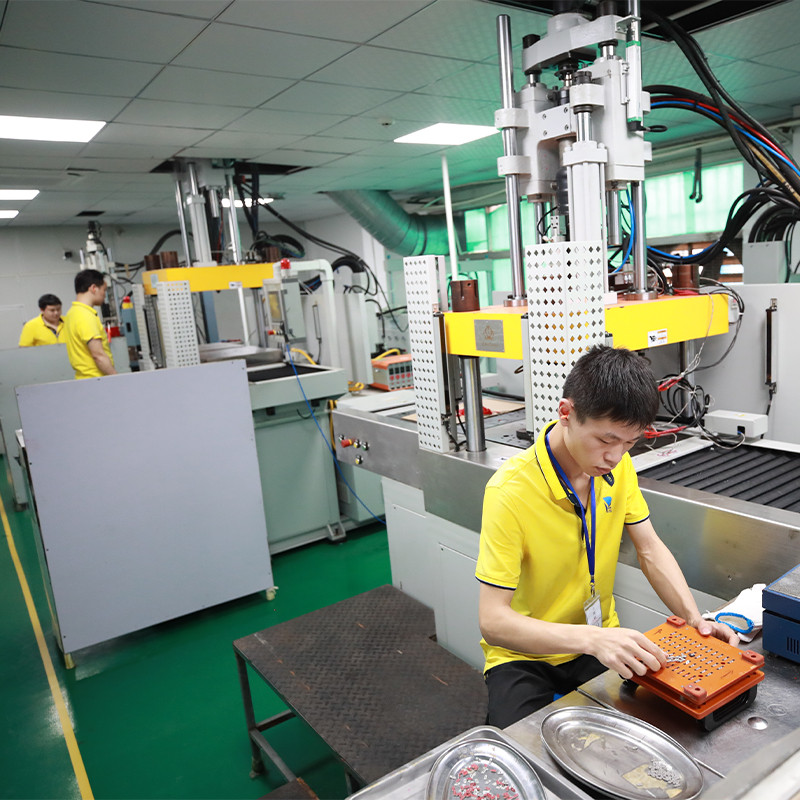
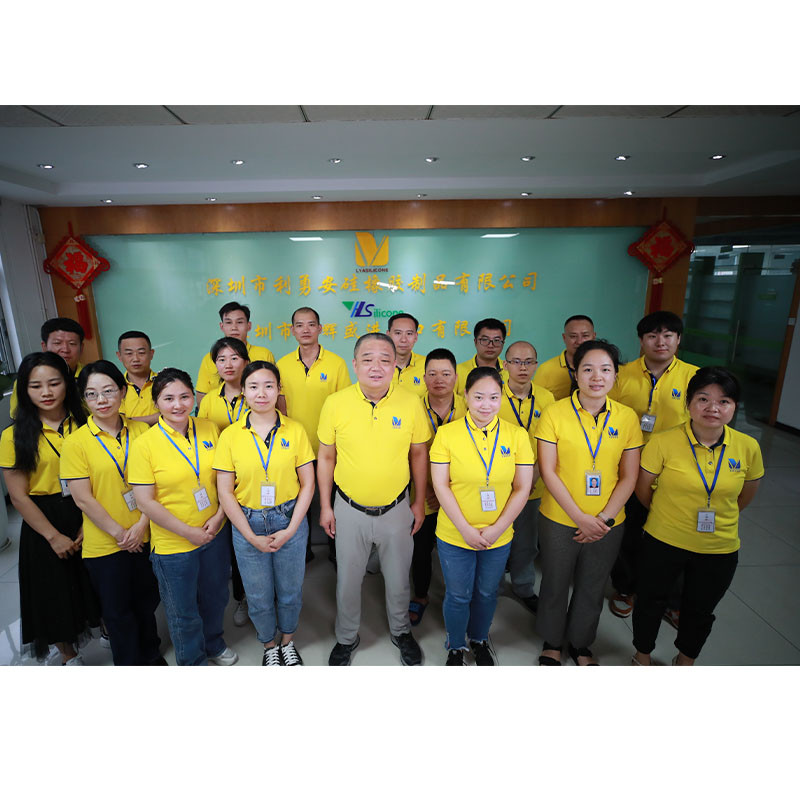
At Siliconeplus, sustainability-driven innovation is embedded into every stage of our silicone overmolding solutions. Backed by a highly experienced engineering team, an in-house mold manufacturing facility, and advanced LSR overmolding expertise, we help global B2B partners optimize material efficiency, reduce waste, and extend product lifespan. As a National High-Tech Enterprise and a Specialized and Innovative (“SRDI”) Certified Manufacturer, Siliconeplus is uniquely positioned to deliver eco-conscious, high-performance silicone overmolded components that align with the principles of sustainable manufacturing and future-ready product development.
1. Minimization of Material Waste Through Precision Overmolding Techniques
One of the most compelling sustainability benefits of liquid silicone rubber overmolding lies in its material efficiency. Unlike traditional manufacturing methods that often involve subtractive processes—cutting, drilling, or machining—overmolding employs a precise injection process that directly molds silicone onto substrates or other components.
This additive manufacturing approach ensures that material usage is optimized, significantly reducing waste generation. Precise control over material deposition means manufacturers can produce complex, multi-material components with minimal excess.
Furthermore, LSR's rapid curing times and high reproducibility contribute to less scrap and rework, leading to a more sustainable production cycle. This reduction in waste not only conserves raw materials but also diminishes the environmental footprint associated with waste disposal and recycling.
2. Energy-Efficient Manufacturing Processes and Lower Carbon Footprint
Liquid silicone rubber overmolding is inherently energy-efficient, owing to its fast cycle times and low-temperature processing compared to traditional vulcanization or curing methods. The thermally efficient nature of LSR injection molding allows for reduced energy consumption during the manufacturing process.
Additionally, LSR's ability to cure rapidly at relatively low temperatures means less energy is required per cycle. When scaled across large production volumes, these energy savings translate into a substantial reduction in carbon emissions.
Many modern LSR molding facilities incorporate energy recovery systems and advanced process controls that further optimize energy use, aligning production with sustainable energy practices. This lower carbon footprint directly contributes to corporate sustainability goals and environmental compliance.
3. Enhanced Product Longevity and Reduced Environmental Impact
A key sustainability advantage of LSR overmolding is the exceptional durability and chemical resistance of silicone-based products. Long-lasting components decrease the need for frequent replacements, thereby reducing waste and conserving resources over the product lifecycle.
Liquid silicone rubber offers excellent UV stability, temperature resistance, and biocompatibility, making it ideal for applications in medical devices, automotive parts, and consumer electronics. These features ensure that products remain functional and safe over extended periods, minimizing environmental impact associated with product disposal and recycling.
Moreover, LSR's inert nature means it does not leach harmful chemicals into the environment, supporting sustainable material usage and eco-friendly product stewardship.
4. Reduction of VOCs and Harmful Emissions in Manufacturing
The manufacturing of liquid silicone rubber involves closed, controlled injection molding processes that limit the release of volatile organic compounds (VOCs) and other harmful emissions. Unlike some traditional rubber or plastic processing methods that emit hazardous fumes, LSR overmolding is characterized by cleaner production environments.
This environmentally friendly process not only protects worker health but also reduces the environmental burden associated with VOC emissions. Many industry standards and regulations favor processes with low emissions, positioning LSR overmolding as a sustainable choice for forward-thinking manufacturers.
5. Support for Circular Economy Principles Through Recyclability and Reusability
While silicone is traditionally viewed as difficult to recycle, recent innovations have enabled reclaiming and reprocessing of liquid silicone rubber. Recycling programs and reclaiming techniques allow scrap material from overmolding processes to be reused, aligning with circular economy principles.
Furthermore, LSR's durability and chemical stability mean that components can be designed for disassembly and reuse, reducing single-use waste and supporting sustainable product lifecycle management. This recyclability not only minimizes environmental impact but also offers cost savings for manufacturers committed to eco-friendly practices.
Conclusion: Embracing a Sustainable Future with Liquid Silicone Rubber Overmolding
The integration of liquid silicone rubber overmolding into B2B manufacturing is more than a technological advancement—it's a strategic move toward greater environmental responsibility. The material efficiency, energy savings, product durability, reduced emissions, and recycling potential collectively establish LSR overmolding as a cornerstone of sustainable manufacturing.
As industries continue to evolve and regulatory pressures intensify, adopting eco-conscious production methods like LSR overmolding will become increasingly vital. Forward-looking manufacturers who leverage these sustainability benefits will not only enhance their environmental profile but also gain competitive advantage through innovative, eco-friendly products.
Website:www.siliconeplus.net
Email:sales11@siliconeplus.net.
Phone:13420974883
Wechat:13420974883