Top 10 Trends in Silicone Overmolding Manufacturing for B2B Market Growth
- Share
- publisher
- siliconeplus
- Issue Time
- Jan 27,2026
Summary
Maximize B2B product durability with LSR overmolding through material optimization, process control, and post-treatment.
Introduction:
In the competitive B2B manufacturing landscape, product durability is critical, and companies are constantly seeking innovative solutions to extend lifespan, enhance performance, and ensure resilience under harsh operational conditions. Liquid silicone rubber (LSR) overmolding stands out as a highly effective technology, offering superior thermal stability, chemical resistance, and mechanical toughness.
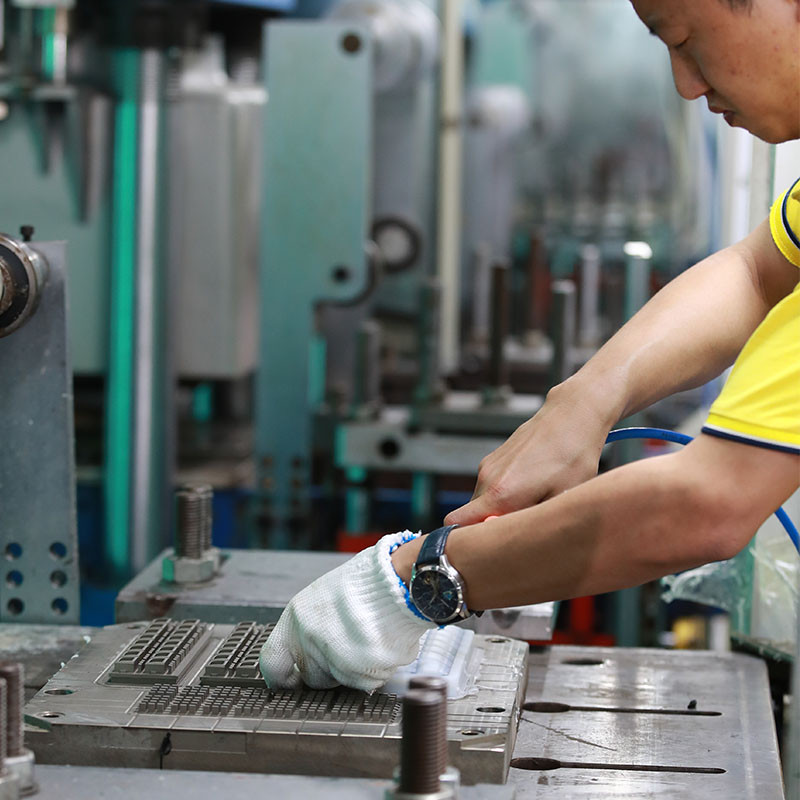
At Siliconeplus, we leverage our advanced overmolding expertise, professional engineering team, and fully equipped in-house mold-making facility to deliver precision, high-performance solutions. As a National High-Tech Enterprise and a Specialized, Refined, Differentiated & Innovative (SRDI) certified manufacturer, we help B2B clients maximize product durability and reliability. This expert analysis outlines six key methods to harness LSR overmolding, ensuring your products outperform competitors in quality, longevity, and customer satisfaction.
1. Optimize Material Selection for Maximum Mechanical Resilience
The foundation of durable B2B products lies in selecting the right silicone formulations. Liquid silicone rubber comes in various grades, each tailored for specific performance requirements. For applications demanding high tear resistance, compressive strength, and flexibility, choosing a high-quality, reinforced LSR formulation is critical.
Reinforced LSR compounds, infused with fillers such as silica or carbon black, significantly improve mechanical resilience, making the overmolded component resistant to abrasion, impact, and fatigue. These formulations also maintain flexibility across a wide temperature range, which is vital for products exposed to extreme environmental conditions.
In practice, an optimal material selection involves balancing rigidity and elasticity, ensuring the overmolded layer provides shock absorption while maintaining structural integrity. For instance, ultra-high-performance LSR can withstand cyclic loading and chemical exposure, prolonging service life.
2. Precision Molding Design for Enhanced Structural Integrity
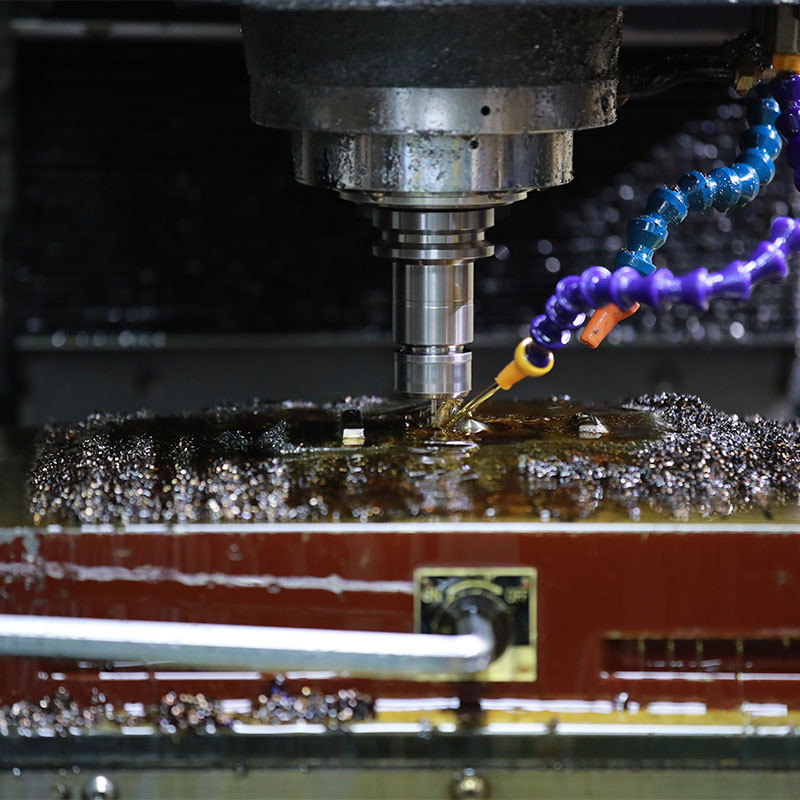
Design optimization plays a crucial role in improving product durability via liquid silicone rubber overmolding. Precise mold design ensures uniform material distribution, strong adhesion, and minimized stress concentrations.
Key design considerations include:
Incorporating undercuts and ribbing to reinforce critical areas
Designing for proper venting to prevent air entrapment and weak spots
Utilizing multi-material molds to combine rigid and flexible components seamlessly
Ensuring optimal wall thickness to prevent cracking or delamination under stress
Advanced CAD modeling and simulation tools enable engineers to predict stress points and optimize mold features before production, drastically reducing failure rates and product recalls.
3. Surface Preparation and Adhesion Enhancement Techniques
Achieving strong adhesion between the substrate and the liquid silicone rubber layer** is essential for durability. Poor adhesion can lead to delamination, exposing the underlying material to environmental damage.
Effective surface preparation techniques include:
Mechanical roughening of the substrate surface to increase micro-anchoring points
Application of primer coatings specifically formulated for silicone adhesion
Use of plasma or corona treatment to modify surface energy and improve bonding
Ensuring cleanliness to remove oils, dust, or residues that compromise adhesion
By meticulously preparing the substrate, manufacturers can maximize bond strength, ensuring the overmolding withstands mechanical stresses, chemical exposure, and thermal cycling over time.
4. Incorporate Reinforcing Elements for Structural Durability
Adding reinforcing components within the overmolded silicone layer can dramatically improve load-bearing capacity and impact resistance.
These elements include:
Metal inserts or fiber-reinforced composites embedded within the silicone layer
Textured or ribbed surfaces that distribute stress more evenly
Flexible yet tough core materials that complement the silicone's properties
For example, integrating metallic inserts can prevent deformation under mechanical load, making products suitable for industrial environments where shock absorption and long-term wear resistance are necessary.
5. Control of Process Parameters for Consistent Quality
The liquid silicone rubber overmolding process must be meticulously controlled to ensure consistent product quality and durability.
Critical parameters include:
Mold temperature: influences flowability and adhesion
Injection pressure and speed: affect material distribution and thickness uniformity
Curing time and temperature: determine cross-linking density and mechanical properties
Material viscosity: impacts fill volume and flow behavior
Implementing real-time process monitoring and quality control systems ensures each batch meets stringent durability standards, reducing defects such as voids, incomplete curing, or weak bonds.
6. Post-Processing Treatments and Protective Coatings
To further enhance the durability of overmolded B2B products, post-processing treatments are essential. These treatments can improve resistance to environmental stressors, UV radiation, and chemical attack.
Effective post-processing techniques include:
Surface sealing with protective coatings to prevent moisture ingress
UV stabilization treatments to prevent degradation from sunlight exposure
Accelerated aging tests to identify potential failure modes and optimize material formulations
Mechanical finishing to remove imperfections and reduce stress concentrators
Additionally, application of specialized coatings can impart additional chemical resistance and thermal stability, significantly extending product lifespan in demanding industrial settings.
Conclusion: Achieving Unmatched Product Durability through Liquid Silicone Rubber Overmolding
Incorporating liquid silicone rubber overmolding into your manufacturing process offers a transformative advantage in enhancing product durability, performance, and reliability. By selecting appropriate materials, designing precise molds, ensuring optimal surface preparation, adding reinforcing elements, controlling process parameters, and applying post-treatment coatings, manufacturers can produce B2B products that withstand extreme operational conditions.
This comprehensive approach ensures your products deliver long-term value, reduced maintenance costs, and superior customer satisfaction—key factors in maintaining a competitive edge in the industrial marketplace.
Website:www.siliconeplus.net
Email:sales11@siliconeplus.net.
Phone:13420974883
Wechat:13420974883