Top 10 Trends in Silicone Overmolding Manufacturing for B2B Market Growth
- Share
- publisher
- siliconeplus
- Issue Time
- Jan 27,2026
Summary
Top silicone overmolding trends driving B2B growth include automation, customization,and high-performance materials.
Introduction:
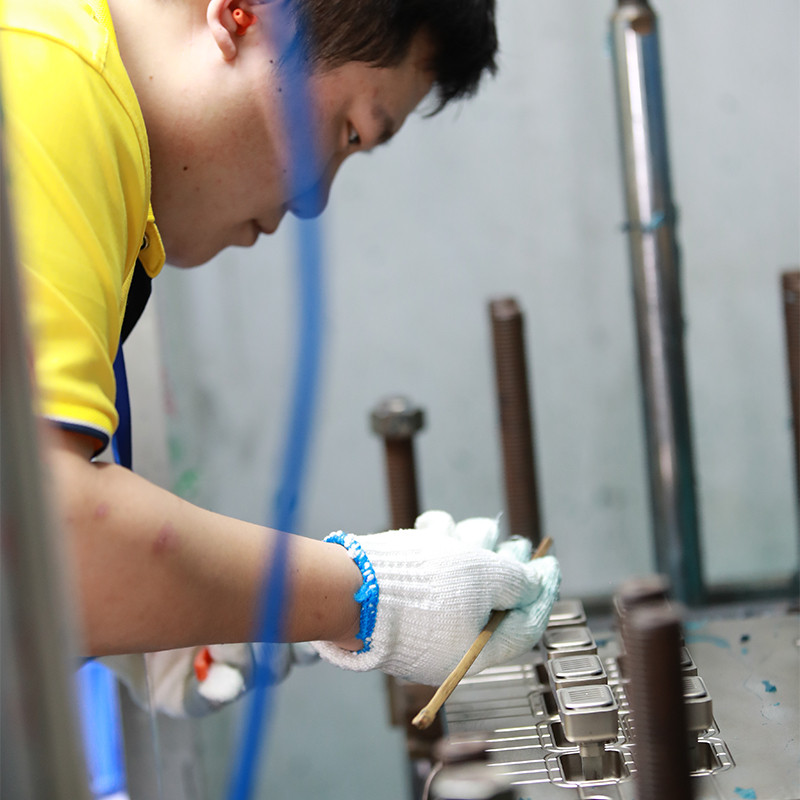
In the rapidly evolving landscape of silicone overmolding manufacturing, staying ahead of industry trends is essential for B2B enterprises seeking long-term growth and competitive advantage. As demand for high-performance, durable, and highly customizable silicone overmolded components continues to rise across industries such as healthcare, electronics, automotive, and consumer goods, manufacturers must respond proactively to technological innovation, sustainability requirements, and shifting global market dynamics.
At Siliconeplus, we remain at the forefront of this transformation. With advanced silicone overmolding expertise, a dedicated professional engineering team, and a fully equipped in-house mold-making facility, we deliver precision-driven solutions tailored to complex B2B applications. As a National High-Tech Enterprise and a “Specialized, Refined, Differentiated & Innovative” (SRDI) certified manufacturer, Siliconeplus continuously invests in R&D and process optimization. This comprehensive analysis explores the top 10 key trends shaping the future of silicone overmolding in the global B2B market, providing practical insights and strategic direction for industry leaders aiming to outperform competitors and meet evolving customer expectations.
1. Integration of Advanced Automation and Robotics in Silicone Overmolding Processes
The adoption of state-of-the-art automation and robotic systems has revolutionized silicone overmolding production. These technologies enable precise, repeatable, and high-speed manufacturing, significantly reducing cycle times and error rates. Automated systems facilitate complex multi-material overmolding, allowing for intricate designs and customized solutions that meet specific client requirements.
Key benefits include:
Increased production efficiency
Enhanced product consistency
Reduced labor costs
Greater flexibility in design modifications
2. Emphasis on Sustainability and Eco-Friendly Silicone Materials
Sustainability is no longer optional; it is a market expectation. Manufacturers are increasingly adopting biodegradable silicone formulations and green manufacturing practices to minimize environmental impact. The development of low-VOC silicone compounds and recyclable mold components aligns with global efforts to promote eco-conscious production.
Innovative practices include:
Use of plant-based silicone additives
Implementation of energy-efficient curing processes
Adoption of closed-loop water systems for cleaning and cooling
This shift not only meets regulatory standards but also appeals to environmentally conscious clients, fostering brand loyalty and market differentiation.
3. Customization and Personalization in Silicone Overmolding Solutions
The B2B market increasingly demands tailored silicone components that integrate seamlessly with electronic devices, medical instruments, and industrial machinery. Design flexibility, enabled by computer-aided design (CAD) and rapid prototyping, allows manufacturers to deliver bespoke overmolded parts with precise specifications.
Key features include:
Multi-layered overmolding for enhanced functionality
Incorporation of branding elements such as logos and textures
Integration of sensor technology for smart applications
This trend supports the creation of innovative, high-value products that meet diverse industry needs.
4. Adoption of Industry 4.0 Technologies for Intelligent Manufacturing
The integration of Industry 4.0 principles—such as IoT (Internet of Things), big data analytics, and machine learning—is transforming silicone overmolding facilities into smart factories. These technologies enable real-time process monitoring, predictive maintenance, and quality assurance, drastically reducing downtime and waste.
Advantages include:
Enhanced process control
Improved traceability and documentation
Faster response to market changes
5. Expansion of Medical and Healthcare Applications
The medical sector remains a dominant driver for silicone overmolding innovations, especially in wearables, prosthetics, and diagnostic devices. The demand for biocompatible, sterilizable, and durable silicone components is driving research and development in medical-grade silicone formulations.
Emerging trends include:
Integration of antimicrobial agents within silicone layers
Development of flexible, lightweight, and ergonomic designs
Use of silicone overmolding to create multi-functional medical devices
Regulatory compliance and FDA approvals are critical, prompting manufacturers to adopt rigorous quality control protocols.
6. Focus on Enhanced Material Performance and Durability
As applications grow more demanding, silicone overmolding materials are evolving to offer superior mechanical properties, temperature resistance, and chemical inertness. Innovations in high-performance silicone compounds enable components to withstand extreme environments such as high temperatures, UV exposure, and corrosive agents.
Key developments:
Silicone formulations with improved tear strength
Incorporation of fire-retardant additives
Development of ultra-soft and rigid variants for diverse applications
This ensures long-lasting, reliable components across various industries, reducing maintenance and replacement costs.
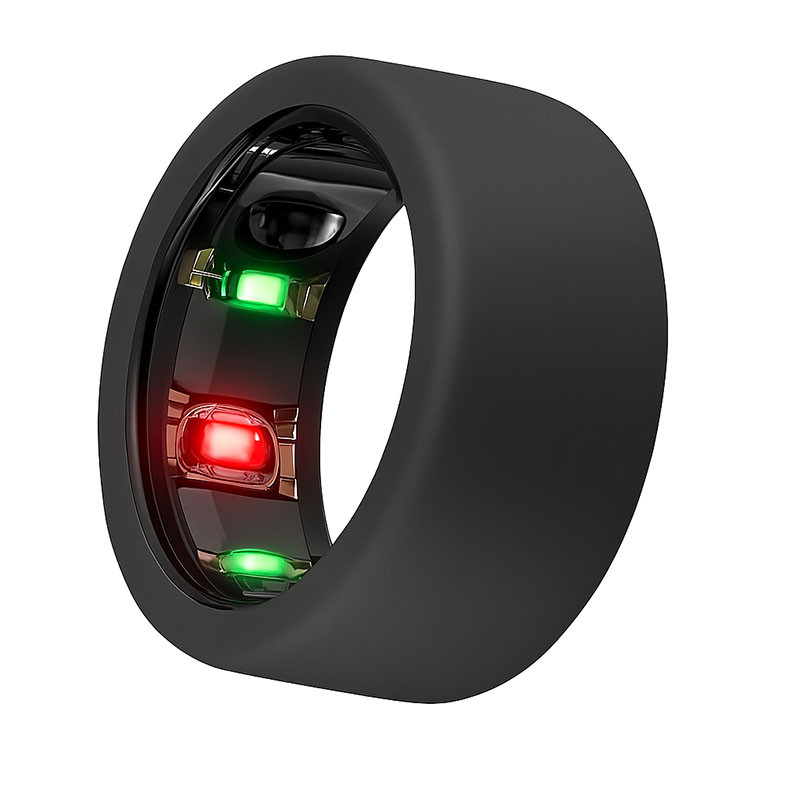
7. Integration of Smart and Sensor-Embedded Silicone Components
The rise of IoT-enabled devices demands smart silicone components embedded with sensors for monitoring, data collection, and automation. Silicone's flexibility and biocompatibility make it ideal for wearable health devices, automotive sensors, and industrial monitoring systems.
Innovations include:
Embedding pressure, temperature, or humidity sensors
Developing self-healing silicone materials for extended lifespan
Creating interactive tactile surfaces for consumer electronics
This trend unlocks new functionalities and value-added features for B2B clients.
8. Rapid Prototyping and Digital Manufacturing Technologies
The adoption of 3D printing and digital twin technologies accelerates the design-to-production cycle. Rapid prototyping allows for quick validation of complex overmolding designs, reducing time-to-market and costs.
Advantages include:
High precision in prototype development
Reduced material waste
Flexibility in customizing small batch runs
Manufacturers leveraging these technologies can respond swiftly to client demands, fostering agility and innovation.
9. Global Supply Chain Optimization and Nearshoring
Recent geopolitical shifts and supply chain disruptions have prompted a reevaluation of manufacturing locations. Many companies are moving towards nearshoring and local sourcing of silicone materials and molds to ensure timely delivery and cost stability.
Strategic benefits:
Reduced lead times
Enhanced supply chain resilience
Improved communication and quality control
This trend emphasizes the importance of regional manufacturing hubs in maintaining market competitiveness.
10. Strengthening Industry Standards and Certifications
As silicone overmolding technology matures, industry standards and certification protocols have become more rigorous. Achieving ISO certifications, UL approvals, and medical device regulations ensures product safety, performance, and market acceptance.
Implications for manufacturers:
Investment in quality management systems
Continuous staff training
Adoption of traceability and documentation best practices
Compliance not only mitigates risks but also enhances trust and credibility among B2B clients.
Conclusion: Embracing Future-Ready Silicone Overmolding Strategies
The silicone overmolding manufacturing industry is on the cusp of transformative change driven by technological innovation, sustainability initiatives, and market diversification. Companies that proactively adopt these top 10 trends will position themselves as industry leaders, capable of delivering cutting-edge, sustainable, and customizable solutions that meet the complex needs of the global B2B market.
Remaining agile, investing in R&D, and fostering collaborative partnerships will be essential for capitalizing on emerging opportunities and achieving sustainable growth in this dynamic sector.
Website:www.siliconeplus.net
Email:sales11@siliconeplus.net.
Phone:13420974883
Wechat:13420974883