The Impact of Silicone Overmolding on Plastic Part Wear Resistance
- Share
- publisher
- siliconeplus
- Issue Time
- Dec 23,2025
Summary
Silicone overmolding enhances plastic wear resistance by reducing friction, and improving chemical and thermal durability.
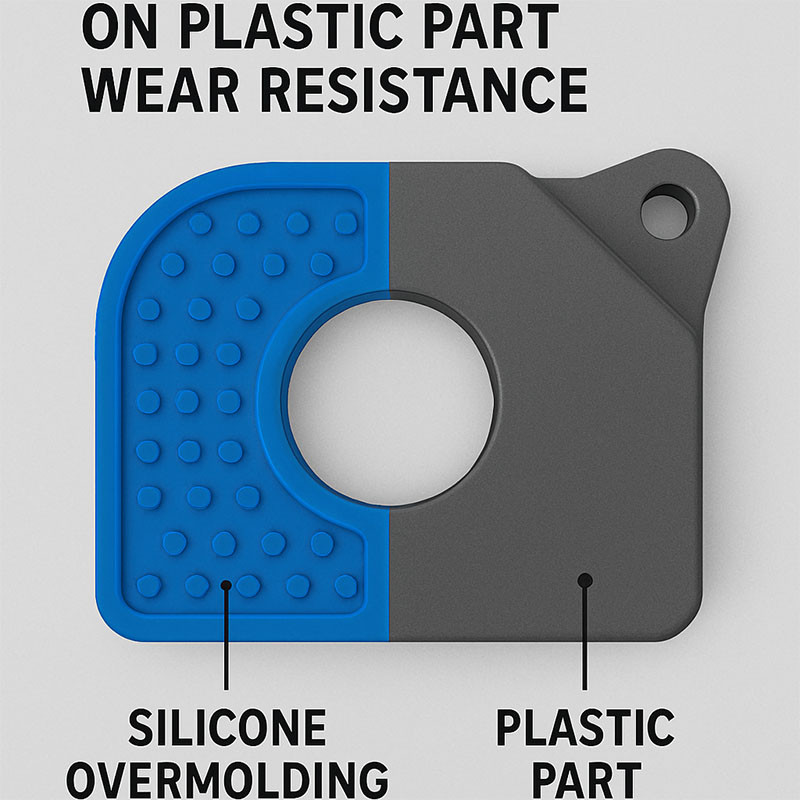
Introduction: Elevating Plastic Part Durability through Silicone Overmolding
In today's highly competitive manufacturing landscape, durability and wear resistance of plastic components are critical factors that influence product longevity, user satisfaction, and overall performance. Silicone overmolding has emerged as a transformative technique, offering significant improvements in the wear resistance of plastic parts. By applying a specialized silicone rubber layer over existing plastic substrates, manufacturers can dramatically enhance mechanical properties, thermal stability, and chemical resistance, ultimately extending the lifespan of components across diverse industries such as electronics, automotive, medical devices, and consumer goods.
This comprehensive analysis delves into the scientific principles, material interactions, and manufacturing processes behind silicone overmolding, illustrating how this advanced technique revolutionizes wear resistance in plastic parts. Leveraging cutting-edge research and case studies, we demonstrate why silicone overmolding is an indispensable strategy for achieving superior durability in modern product design.
Understanding Silicone Overmolding: An Essential Technology for Enhanced Wear Resistance
Silicone overmolding involves the process of applying a silicone rubber layer onto a plastic substrate. This process creates a composite structure where the silicone functions as a protective, cushioning, and sealing layer that significantly reduces friction, absorbs impacts, and resists abrasion.
Key Components of Silicone Overmolding
Silicone Rubber Material: Known for its flexibility, temperature resilience, and chemical inertness, silicone rubber is ideal for overmolding applications requiring long-term wear resistance.
Plastic Substrate: Typically made from thermoplastics such as ABS, polycarbonate, nylon, or polypropylene, which provide the structural foundation for the component.
Adhesion Promoters: Special primers and surface treatments are employed to ensure strong bonding between silicone and plastic, preventing delamination and maintaining structural integrity under stress.
The Overmolding Process
Preparation of Plastic Part: Surface cleaning, roughening, or applying adhesion promoters to optimize bonding.
Injection of Silicone Rubber: The silicone is injected into a mold that encloses the plastic part, allowing for precise coating.
Curing and Cooling: The silicone layer is cured under controlled temperature conditions to achieve optimal mechanical properties.
Post-Processing: Excess silicone is trimmed, and the finished component undergoes quality inspection.
How Silicone Overmolding Enhances Wear Resistance in Plastic Components
Silicone overmolding fundamentally changes the wear characteristics of plastic parts through multiple mechanisms:
1. Friction Reduction and Surface Lubrication
Silicone rubber exhibits outstanding low-friction properties. When applied as an overmold, it creates a slippery surface layer that minimizes abrasive interactions during movement or contact with other surfaces. This significantly reduces wear and tear, especially in dynamic applications such as sliding mechanisms and rotating parts.
2. Impact Absorption and Shock Damping
The elasticity of silicone rubber enables it to absorb shocks and dampen vibrations, which are primary contributors to material fatigue and surface degradation. Overmolded silicone acts as a buffer, protecting the underlying plastic from micro-cracks, chipping, and surface deformation caused by repetitive impacts.
3. Chemical and Environmental Resistance
Silicone's chemical inertness makes it highly resistant to oxidation, UV radiation, and corrosive chemicals. This protective barrier shields plastic parts from environmental factors that accelerate wear and aging, especially in outdoor or harsh environments.
4. Thermal Stability and Wear Performance
Silicone maintains its mechanical properties across a broad temperature range, from -60°C to +230°C. This thermal stability ensures consistent wear resistance in applications subjected to extreme temperatures, such as automotive engine components or industrial equipment.
5. Enhanced Surface Hardness and Abrasion Resistance
Advances in silicone formulations enable the production of high-hardness silicone coatings that resist abrasive forces more effectively. These coatings can be tailored to match specific wear resistance requirements, providing long-term durability even in high-friction environments.
Material Science Behind Silicone Overmolding and Wear Resistance
Understanding the material interactions between silicone rubber and plastic substrates is vital to optimizing wear resistance:
Bonding Mechanisms
Achieving strong adhesion between silicone and plastic is crucial. This involves chemical bonding facilitated by surface treatments or primers that promote covalent bonds. Without proper adhesion, delamination can occur, leading to premature failure and increased wear.
Interfacial Compatibility
The compatibility of silicone with different plastics depends on their surface energy. Surface treatments like plasma cleaning or silane coupling agents are employed to enhance interfacial bonding, ensuring the silicone layer remains intact under mechanical stresses.
Microstructure and Wear Behavior
The microstructure of the silicone layer, including cross-link density and filler content, influences hardness, elasticity, and abrasion resistance. Proper formulation ensures the silicone layer can withstand repetitive contact without cracking or wearing away.
Applications of Silicone Overmolding for Superior Wear Resistance
Silicone overmolding is utilized across various industries to enhance the durability of critical components:
Industry | Application | Benefits |
| Electronics | Smartphone cases, connectors | Protects against impact, reduces wear from handling |
Gear knobs, switches | Resists abrasion, dampens vibrations, withstands temperature extremes | |
| Medical Devices | Handheld instruments, grips | Improves grip, resists cleaning chemicals, enhances lifespan |
| Consumer Goods | Power tools, sporting equipment | Adds impact resistance, prolongs product life |
| Industrial Equipment | Valves, seals | Maintains integrity under chemical exposure and mechanical stress |
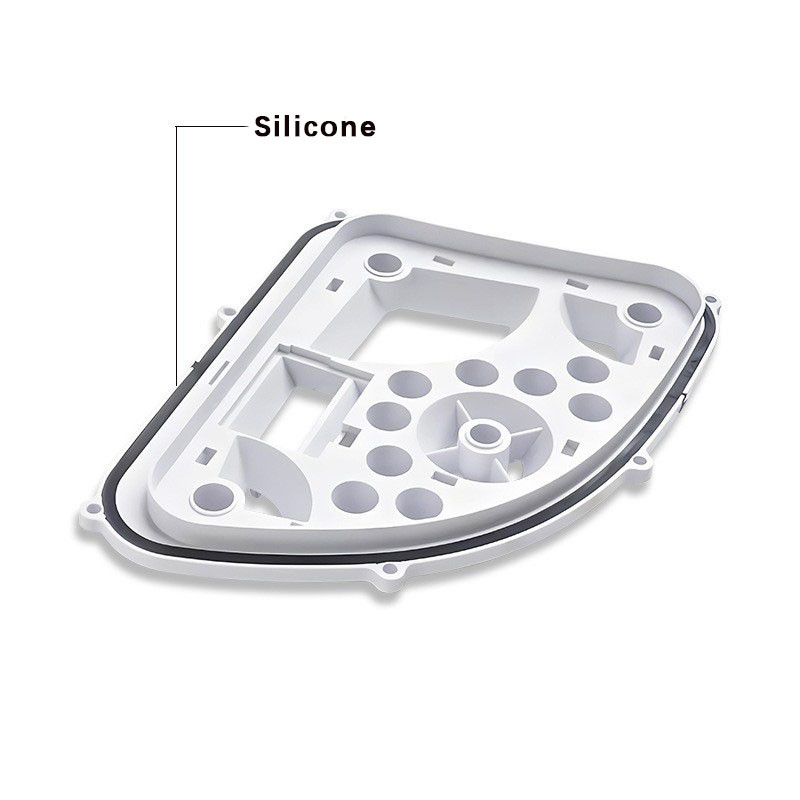
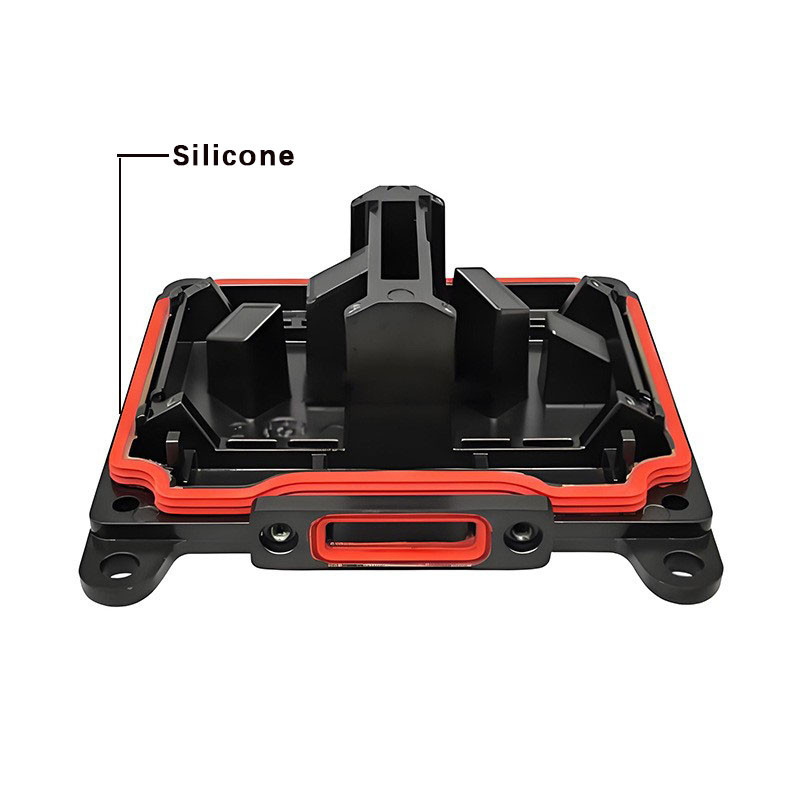
Case Studies: Quantifying Wear Resistance Improvements
Case Study 1: Automotive Gear Shift Knobs
A leading automotive manufacturer integrated silicone overmolding onto polycarbonate gear knobs. The result was a 50% reduction in surface wear after 500,000 cycles of use compared to uncoated parts. The silicone layer absorbed shocks and reduced surface micro-cracking, significantly prolonging component lifespan.
Case Study 2: Medical Device Handles
In medical devices, silicone overmolding on nylon handles improved chemical resistance and abrasion durability. The overmolded handles showed double the lifespan under rigorous sterilization cycles and mechanical handling, reducing replacement costs and improving user safety.
Manufacturing Challenges and Solutions in Silicone Overmolding
Manufacturers face several challenges when implementing silicone overmolding, including:
Achieving Strong Adhesion: Utilizing advanced primers and surface treatments to optimize bonding.
Controlling Material Compatibility: Selecting silicone formulations compatible with specific plastics.
Managing Thermal Curing: Ensuring curing temperatures do not deform or degrade the substrate.
Preventing Defects: Implementing precise process controls to avoid air entrapment, incomplete coverage, or delamination.
Innovative solutions include ultraviolet or plasma surface treatments, customized silicone formulations, and automated injection molding systems that improve consistency and quality.
Future Trends in Silicone Overmolding for Wear Resistance
Emerging innovations include nanocomposite silicone materials embedded with hard fillers like silica or ceramic particles, which further enhance hardness and abrasion resistance. Additionally, smart coatings with self-healing properties are under development, promising extended service life even in highly abrasive environments.
Conclusion: Silicone Overmolding as a Game-Changer for Plastic Part Durability
Silicone overmolding offers an unparalleled combination of flexibility, chemical resistance, thermal stability, and superior wear resistance. By meticulously engineering the material interface and optimizing manufacturing processes, industries can significantly extend the lifespan of plastic components, reduce maintenance costs, and improve product performance.
As material science advances and manufacturing technologies evolve, silicone overmolding will become increasingly integral to designing highly durable, reliable, and high-performance plastic products across all sectors. Embracing this innovative technique is essential for manufacturers aiming to outperform competitors and meet the growing demands for long-lasting, resilient components.
Website:www.siliconeplus.net
Email:sales11@siliconeplus.net.
Phone:13420974883
Wechat:13420974883