The Future of Silicone Overmolding in High-Performance Plastic Parts
- Share
- publisher
- siliconeplus
- Issue Time
- Dec 24,2025
Summary
Silicone overmolding enables durable, plastic parts with multi-material integration,and industry-grade reliability.
Introduction: Revolutionizing High-Performance Plastics with Silicone Overmolding
As industries increasingly demand highly durable, flexible, and reliable plastic components, silicone overmolding has emerged as a game-changing technology. It enables manufacturers to combine robust base plastics with silicone’s unique properties, resulting in multi-functional parts that excel in performance, safety, and aesthetic appeal. The future of silicone overmolding is poised for exponential growth, driven by technological innovations, material advancements, and market demands for smarter, more resilient products.
The Evolution of Silicone Overmolding Technology
Historically, overmolding was limited to simple applications with basic materials. However, recent technological breakthroughs have expanded its scope, especially in high-performance sectors like automotive, medical devices, consumer electronics, and aerospace. The integration of silicone elastomers with high-strength plastics like PC, PEEK, and ABS has unlocked new possibilities for complex, multi-material assemblies.
Key milestones include:
Development of compatible bonding techniques ensuring strong adhesion between silicone and plastics.
Introduction of high-temperature silicone formulations that withstand harsh environmental conditions.
Advancements in injection molding that allow for precise placement of silicone layers in intricate geometries.
Material Innovations Fueling the Future of Silicone Overmolding High-
Performance Silicone Elastomers
The core of future overmolding applications lies in high-temperature, durable silicone elastomers. These materials offer exceptional flexibility, UV resistance, chemical inertness, and thermal stability. Innovations include:
Room-temperature vulcanizing (RTV) silicones for low-pressure, precise overmolding.
Liquid silicone rubber (LSR) with enhanced tear strength and elongation properties.
Flame-retardant silicones suitable for aerospace and automotive applications.
Advanced Plastic Substrates
Complementing silicone materials are high-performance plastics such as polyetheretherketone (PEEK), polycarbonate (PC), and acrylonitrile butadiene styrene (ABS). These plastics provide structural integrity and chemical resistance vital for demanding environments.
Innovative Bonding Technologies
The development of surface treatments and adhesion promoters has enabled strong, durable bonds between silicone and plastics, overcoming traditional compatibility issues. Techniques like plasma treatment, primer application, and chemical coupling agents are now standard.
Manufacturing Techniques Shaping the Future
Multi-Shot Injection Molding
This process allows for simultaneous molding of plastic and silicone in a single cycle, reducing costs and improving assembly precision. It is particularly suited for complex, multi-material components like wearable devices and automotive controls.
Insert Molding and Overmolding Precision
Insert molding with robotic automation ensures high repeatability and fine detail control. The technique is critical for miniaturized electronics and medical devices where precision is paramount.
Additive Manufacturing (3D Printing)
Emerging 3D printing techniques enable rapid prototyping and small-batch production of custom overmolded parts, allowing for design flexibility and cost-effective innovation.
Applications of Silicone Overmolding in High-Performance Industries
Automotive Industry
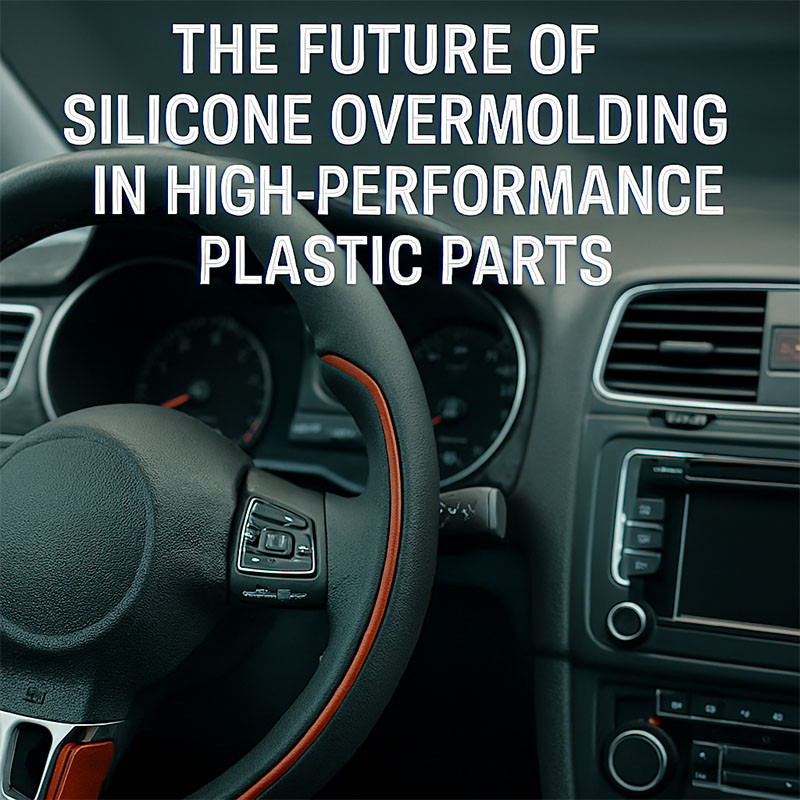
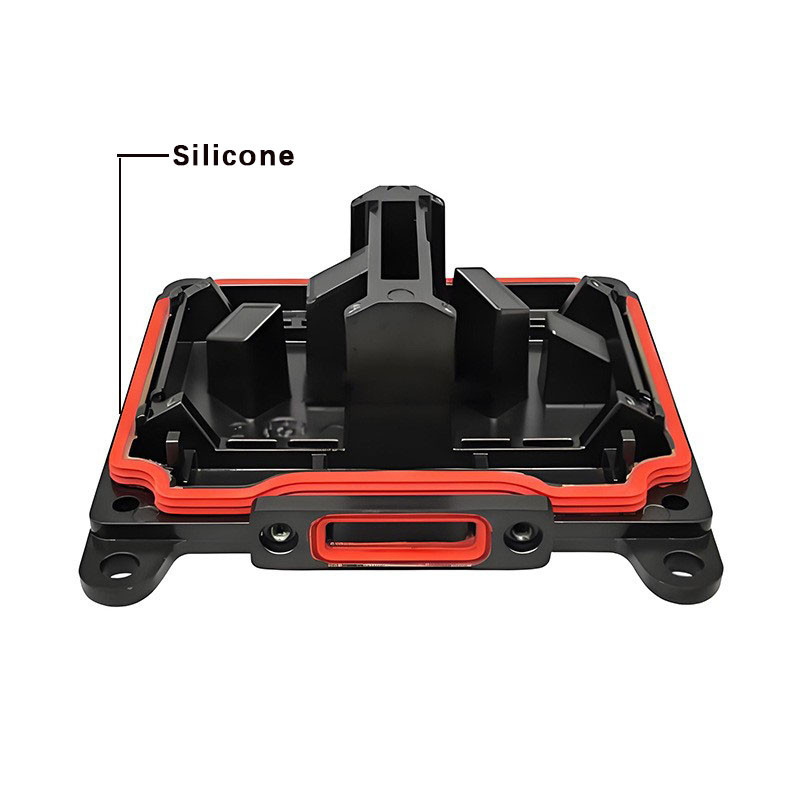
In automotive applications, silicone overmolding provides enhanced thermal management, vibration damping, and waterproofing. It is used in sensor housings, connectors, and interior controls.
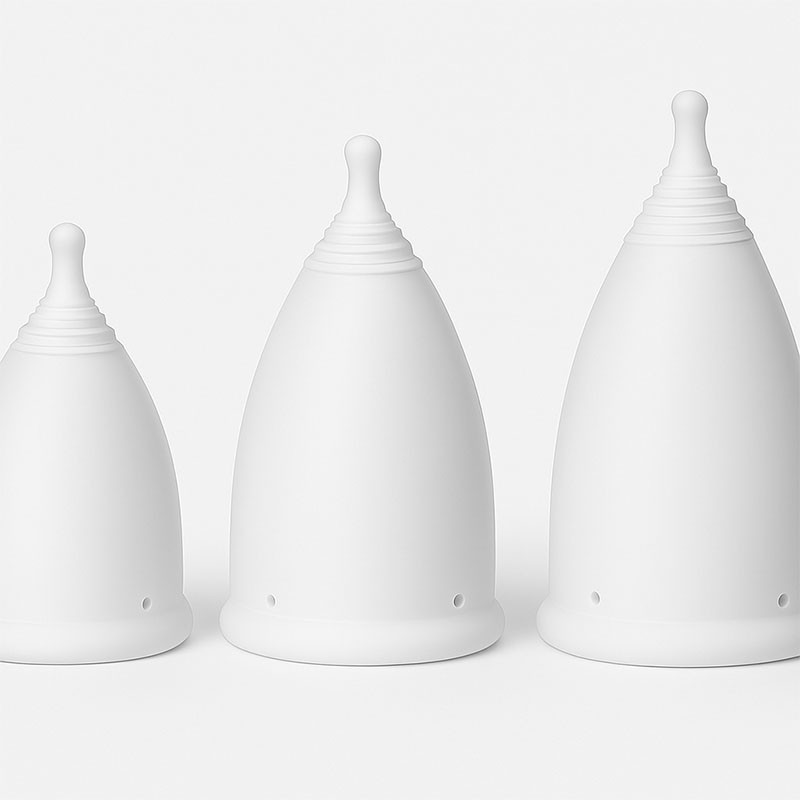
The biocompatibility, flexibility, and sterilizability of silicone make it ideal for medical implants, sensors, and wearable health
monitors. Overmolding ensures seamless integration with plastic substrates while maintaining patient safety.
Consumer Electronics
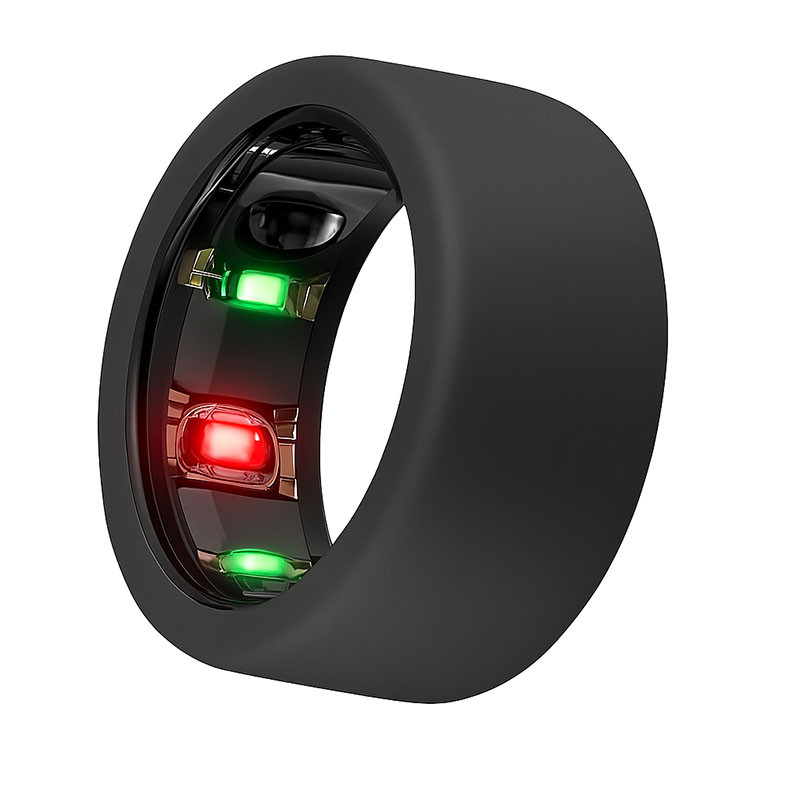
In smartphones, wearables, and gaming devices, silicone overmolding delivers shock absorption, water resistance, and improved grip, elevating user experience and product durability.
Aerospace and Defense
The need for lightweight, high-temperature resistant, and vibration-dampening components makes silicone overmolding indispensable in aerospace applications, including cabin controls and sensor housings.
Advantages of Silicone Overmolding in High-Performance Parts
Benefit | Description |
| Enhanced Durability | Silicone's resistance to UV, ozone, chemicals, and extreme temperatures extends product lifespan. |
Improved Ergonomics | Soft, flexible silicone enhances handling, grip, and user comfort. |
| Vibration & Shock Absorption | Silicone's elastic properties mitigate mechanical stresses, protecting sensitive electronics. |
| Environmental Resistance | Silicone overmolds provide waterproofing, chemical resistance, and weatherproofing for outdoor applications. |
| Design Flexibility | Overmolding allows for complex geometries, color customization, and multi-material integration. |
Challenges and Solutions in Silicone Overmolding
Adhesion Issues
Challenge: Achieving strong bonds between silicone and plastics remains complex due to material incompatibility.
Solution: Implement surface treatments such as plasma activation and adhesion promoters, alongside optimized molding parameters.
Processing Temperatures
Challenge: Silicone’s thermal properties can limit processing conditions.
Solution: Use high-temperature silicones and advanced molding equipment capable of handling elevated temperatures without degradation.
Cost Considerations
Challenge: The integration process can be cost-intensive.
Solution: Leverage multi-shot molding and automation to reduce cycle times and material waste, improving cost efficiency.
Future Trends and Market Outlook
Smart, Sensor-Integrated Components
The integration of sensors within silicone overmolds will enable real-time monitoring and predictive maintenance across industries, especially in automotive and medical fields.
Eco-Friendly and Sustainable Materials
Development of biodegradable silicones and recyclable plastics will align overmolding technology with sustainability goals, reducing environmental impact.
Customization and On-Demand Manufacturing
Advances in digital manufacturing will facilitate mass customization and short-run production, meeting specific client needs with rapid turnaround.
Industry 4.0 Integration
Incorporating IoT, AI, and robotics into the production process will enhance precision, quality control, and flexibility in overmolding operations.
Conclusion: Embracing Innovation in Silicone Overmolding
The future of silicone overmolding in high-performance plastic parts is bright and transformative. As material science, manufacturing technology, and industry demands evolve, companies that invest in research and development will unlock new levels of product performance, design flexibility, and cost efficiency. Silicone overmolding stands at the forefront of advanced manufacturing, ready to redefine what is possible in high-performance component design across multiple industries.
Website:www.siliconeplus.net
Email:sales11@siliconeplus.net.
Phone:13420974883
Wechat:13420974883