Custom LSR Overmolding Solutions for High-Performance Products
- Share
- publisher
- siliconeplus
- Issue Time
- Mar 10,2026
Summary
Siliconeplus offers expert LSR overmolding, combining durability, soft-touch, sealing, biocompatibility, and custom multi-material solutions.
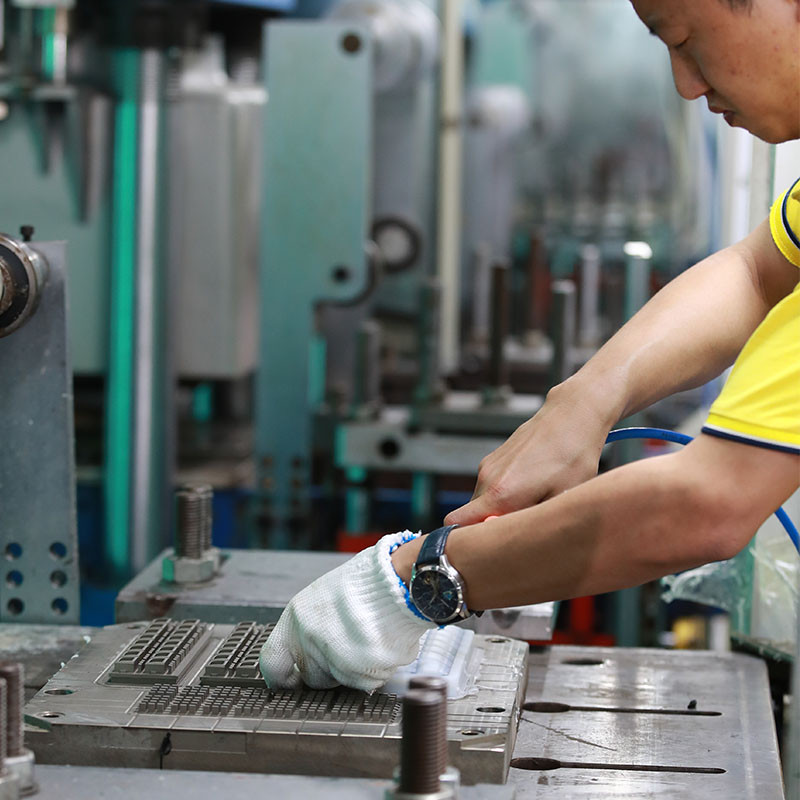
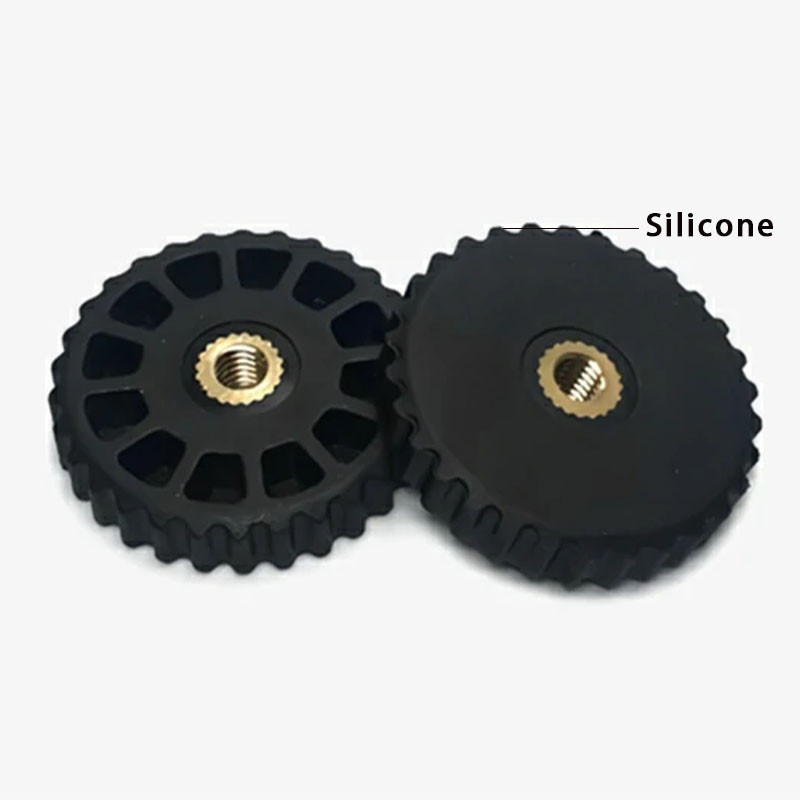
Liquid Silicone Rubber Overmolding
Siliconeplus's Overmolding Process
By combining state-of-the-art molding technology, precision molds, and a dedicated engineering team, we deliver innovative and reliable LSR and silicone overmolding solutions tailored to meet the unique needs of our global B2B clients.
What Is LSR Overmolding?
LSR overmolding (Liquid Silicone Rubber Overmolding) is an advanced manufacturing process in which liquid silicone rubber is molded over another substrate material, such as plastic, metal, or a previously molded component. This technique allows manufacturers to combine the unique properties of silicone—flexibility, durability, heat resistance, and biocompatibility—with the structural strength of other materials in a single integrated part.
LSR overmolding is widely used in industries such as medical devices, consumer electronics, automotive components, and baby products, where products require soft-touch surfaces, sealing performance, vibration resistance, or ergonomic design.
Siliconeplus’s LSR Overmolding Process
How the LSR Overmolding Process Works
The typical LSR overmolding process involves several key steps:
1. Base Component Preparation
A rigid substrate—often made from plastic, metal, or engineered polymers—is first manufactured using traditional molding or machining processes.
2. Mold Placement
The base component is then placed into a precision mold designed specifically for LSR injection.
3. Liquid Silicone Injection
Two-part liquid silicone rubber is mixed and injected into the mold. The silicone flows around the substrate and fills the designated cavities.
4. Heat Curing
The mold is heated, causing the silicone to crosslink and cure, forming a strong bond with the underlying material.
5. Finished Composite Part
After curing, the result is a single integrated component combining the rigidity of the base material with the flexibility and sealing performance of silicone.
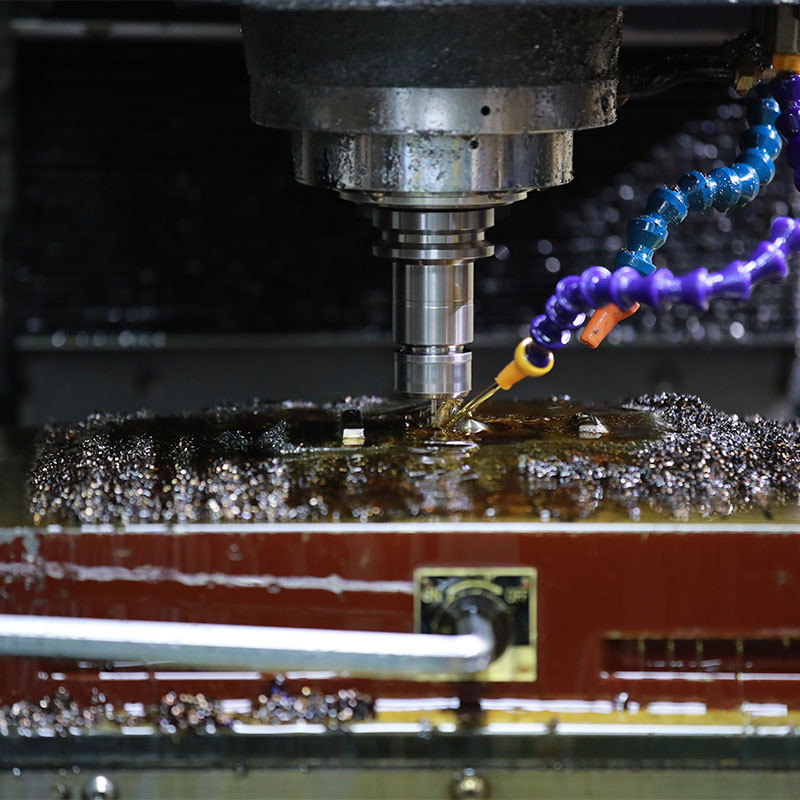
With over 20 years of experience, Siliconeplus specializes in high-precision LSR overmolding and insert plastic molding. Backed by a professional engineering team and an in-house mold workshop, we have produced billions of custom silicone overmolded parts for customers worldwide. As a National High-Tech Enterprise and “Specialized, Refined, and Innovative” company, we customize every stage—from mold design to molding processes and QA procedures—to deliver reliable, high-quality liquid silicone parts tailored to each client’s specifications.
When Is LSR Overmolding Best?
LSR overmolding is the best manufacturing solution when a product needs to combine the flexibility and sealing properties of liquid silicone rubber with the strength of another material, such as plastic or metal. It is especially useful for creating multi-material components with improved durability, comfort, and functionality.
In the automotive sector, LSR is widely used because of its excellent resistance to heat, vibration, and harsh environmental conditions. LSR overmolding helps create durable components such as sealing gaskets, connector seals, vibration-damping parts, and sensor protection components. These silicone parts maintain performance even under extreme temperatures and long-term mechanical stress, making them ideal for modern vehicle systems.
For 3C electronics (computers, communication devices, and consumer electronics), LSR overmolding is often used to provide soft-touch surfaces, waterproof sealing, and electrical insulation. Typical applications include silicone buttons, protective covers, wearable device components, cable connectors, and device seals. The flexibility and durability of silicone enhance both product usability and lifespan, while also improving aesthetics and user comfort.
LSR’s biocompatibility, hypoallergenic properties, and ability to withstand sterilization make it highly suitable for the medical and life sciences industry. It is commonly used in products such as respiratory devices, surgical instruments, wearable medical devices, IV components, and syringes. In addition, LSR overmolding is frequently used to create soft silicone grips on stainless steel surgical tools and handheld medical devices, improving ergonomics and safety for healthcare professionals.
In industrial environments, LSR components are valued for their chemical resistance, electrical insulation, and long-term durability. LSR overmolding can be used to manufacture seals, protective covers, flexible connectors, and insulating components for machinery and equipment operating in demanding conditions.
Benefits of LSR Overmolding
LSR (Liquid Silicone Rubber) overmolding combines silicone with plastics or metals to create durable, multi-material components.
Key benefits include:Seamless Material Integration: Reduces assembly steps and improves reliability.
Soft-Touch & Ergonomics: Ideal for handheld devices, medical tools, baby products, and wearables.
Waterproof & Sealing Performance: Protects electronics, automotive connectors, and medical devices.
High Temperature & Chemical Resistance: Performs under extreme conditions.
Biocompatibility & Safety: Suitable for medical and food-contact applications.
Durability & Longevity: Flexible yet strong parts that last longer.
Design Flexibility: Supports complex shapes, multi-color designs, and functional features.
Cost Efficiency: Reduces assembly labor and inventory for high-volume production.
Website:www.siliconeplus.net
Email:sales11@siliconeplus.net.
Phone:13420974883
Wechat:13420974883