Cost Analysis: Silicone Overmolding vs. Other Coating and Encapsulation Methods
- Share
- publisher
- siliconeplus
- Issue Time
- Dec 31,2025
Summary
Compare silicone overmolding with other coating and encapsulation methods to find the most cost-effective, scalable solution.
Introduction:
In the highly competitive landscape of manufacturing, selecting the optimal coating or encapsulation method is critical to balancing cost efficiency, durability, and performance. Among the various options available, silicone overmolding has gained significant traction due to its unique combination of cost-effectiveness, flexibility, and protective qualities. This comprehensive analysis compares silicone overmolding with traditional coating and encapsulation techniques, providing essential insights into cost implications, material considerations, and long-term benefits.
Understanding Silicone Overmolding: An Overview
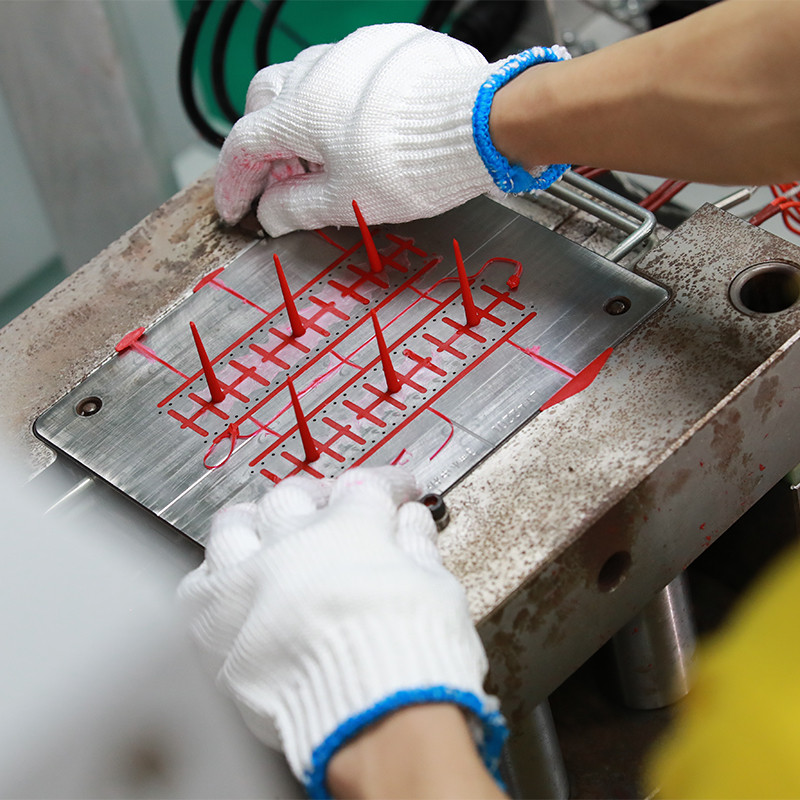
Silicone overmolding involves applying a silicone elastomer directly onto components or substrates, creating a seamless, protective layer that enhances mechanical durability, chemical resistance, and thermal stability. This process is widely used in electronics, medical devices, automotive parts, and industrial equipment.
Key advantages of silicone overmolding include:
Exceptional flexibility and elasticity
Superior thermal stability
Excellent electrical insulation
Resistance to moisture, chemicals, and UV radiation
Traditional Coating and Encapsulation Methods: An In-Depth Look
1. Conformal Coatings
Conformal coatings are thin paint-like layers applied to electronic assemblies to prevent moisture, dust, and chemical ingress. Materials include acrylics, polyurethanes, epoxies, and silicones.
Cost factors:
Material costs vary; epoxies tend to be more expensive than acrylics
Application methods (brush, spray, dip) influence labor and equipment costs
Cure times impact throughput and labor costs
Limitations:
Thin layers may compromise long-term durability
Less flexible, risking cracks under mechanical stress
2. Potting and Encapsulation with Epoxy or Polyurethane
Potting involves filling an entire enclosure with a solid or gel-like material, providing robust mechanical and environmental protection.
Cost considerations:
Epoxy and polyurethane materials are generally more expensive per volume
High curing temperature requirements can increase energy costs
Complex molds and equipment increase initial setup costs
Limitations:
Heavy weight addition
Difficult to rework or repair
3. Thermoplastic Coatings
Thermoplastics like PVC or polycarbonate are sometimes used for encapsulation but involve higher processing temperatures and complex machinery, leading to increased costs.
Cost Comparison: Silicone Overmolding vs. Traditional Methods
Material Costs
| Method | Typical Material Cost per Unit | Key Material Features | Long-Term Durability | Flexibility |
| Silicone Overmolding | Moderate | Elastomeric, chemical and UV resistant | Excellent | Superior |
Epoxy Potting | High | Rigid, chemical resistant | Very high | Low |
| Polyurethane Coating | Moderate to High | Flexible, chemical resistant | Good | Good |
| Conformal Coatings | Low to Moderate | Thin, chemical resistant | Moderate | Low to Moderate |
Application and Processing Costs
Silicone Overmolding:
Injection or compression molding allows rapid, automated application
Low cure temperatures reduce energy costs
High throughput decreases labor costs
Minimal post-processing needed
Traditional Coatings and Potting:
Often involve manual application (brush, spray) increasing labor costs
Long curing times (hours to days) slow production
Specialized equipment (molds, ovens) add initial capital expenditure
More complex rework processes due to difficulty in repair
Long-Term Cost Savings and Maintenance
Silicone overmolding provides notable long-term savings:
Enhanced durability reduces replacement and maintenance costs
Superior environmental resistance minimizes failures
Flexibility accommodates mechanical stresses, reducing crack and fracture risks
Reworkability allows easier repairs compared to rigid potting compounds
Summary Table: Cost Breakdown
| Aspect | Silicone Overmolding | Epoxy Potting | Conformal Coatings | Polyurethane Encapsulation |
Material Cost | Moderate | High | Low to Moderate | Moderate to High |
| Application Speed | Fast (automated) | Slow | Moderate | Moderate |
| Energy Consumption | Low | High | Low | Moderate |
| Reworkability | High | Low | Moderate | Moderate |
Durability | Very high | Very high | Moderate | Good |
Performance and Durability: Critical Cost Factors
Thermal Stability and Electrical Insulation
Silicone's thermal stability up to 200°C and excellent electrical insulation properties reduce the risk of heat-related failures and electrical shorts, minimizing costly downtime.
Chemical and UV Resistance
The chemical inertness and UV resistance of silicone overmolds make them ideal for outdoor and harsh industrial environments, significantly lowering maintenance and replacement costs over the product lifecycle.
Mechanical Flexibility
Unlike rigid potting compounds, silicone's elasticity absorbs shocks and vibrations, decreasing the likelihood of damage under mechanical stress, thus extending product lifespan.
Case Study: Cost Analysis in Electronics Manufacturing
A leading electronics manufacturer transitioned from epoxy potting to silicone overmolding for their wearable device components.
The results included:
30% reduction in initial material costs
25% faster assembly times due to automated overmolding processes
50% decrease in warranty claims owing to improved durability
Long-term savings through reduced rework and maintenance
This case underscores the cost-effectiveness of silicone overmolding, especially when scaled across high-volume production.
Scalability and Manufacturing Efficiency
Silicone overmolding is highly scalable with automated injection molding systems, enabling large batch production while maintaining consistent quality. Its shorter cycle times and minimal post-processing significantly lower per-unit costs in high-volume environments.
In contrast, traditional encapsulation methods may require extensive manual labor, longer cure times, and complex tooling, which escalate costs as production scales.
Environmental and Regulatory Compliance
Silicone materials are biocompatible and environmentally friendly, with many formulations meeting strict industry standards such as UL94, RoHS, and REACH. This compliance reduces potential costs associated with regulatory violations and product recalls.
Conclusion: Strategic Cost-Effective Choice
Silicone overmolding emerges as the most balanced solution in terms of initial investment, long-term operational costs, and performance durability. Its cost advantages become more pronounced in large-scale manufacturing, where automation and efficiency drive down per-unit expenses. When considering total cost of ownership, silicone overmolding delivers superior value compared to traditional coating and encapsulation methods.
Website:www.siliconeplus.net
Email:sales11@siliconeplus.net.
Phone:13420974883
Wechat:13420974883