Common Silicone Overmolding Challenges & Custom Solutions to Fix Them
- Share
- publisher
- Siliconeplus Editor
- Issue Time
- May 13,2026
Summary
Discover how to solve common silicone overmolding challenges like poor adhesion, material compatibility, compliance risks, and durability failures. SiliconePlus offers custom solutions for metal, plastic, FPC, and silicone parts across 4 key industries.
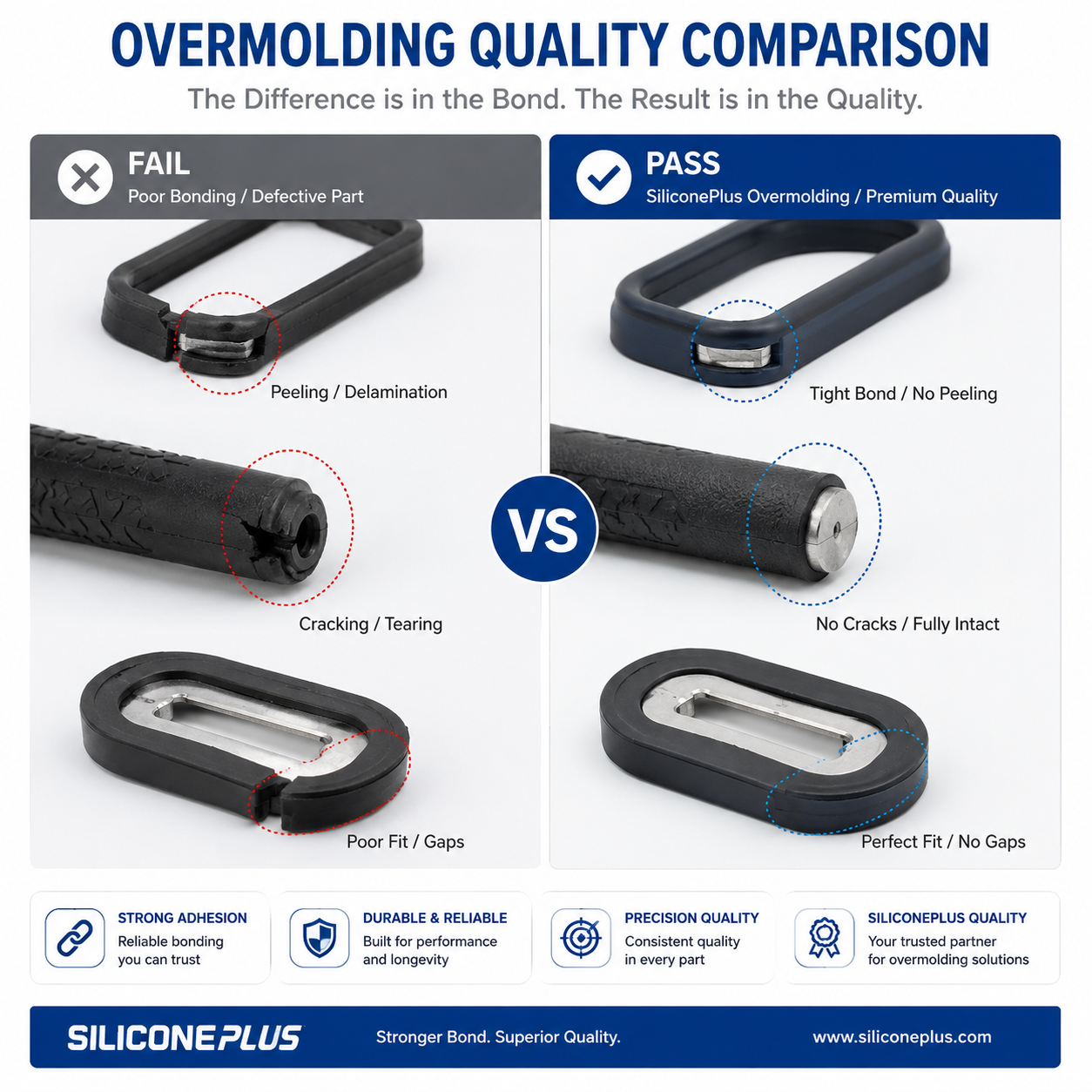
Silicone overmolding is a powerful manufacturing process that combines silicone’s flexibility with the strength of substrates like metal, plastic, and FPC. But many product teams face frustrating challenges: poor adhesion, compliance failures, waterproofing leaks, or limitations with complex designs. At SiliconePlus, we’ve solved these problems for clients across medical, 3C electronics, automotive, and beauty industries. In this guide, we break down the most common overmolding challenges and how our custom manufacturing expertise fixes them.
1. Challenge 1: Poor Adhesion Between Silicone and Substrates
- The substrate surface isn’t properly prepared, preventing silicone from bonding.
- Silicone formulation is incompatible with the base material (e.g., certain plastics resist silicone adhesion).
- Mold design lacks precision, leading to uneven silicone flow and weak bonds.
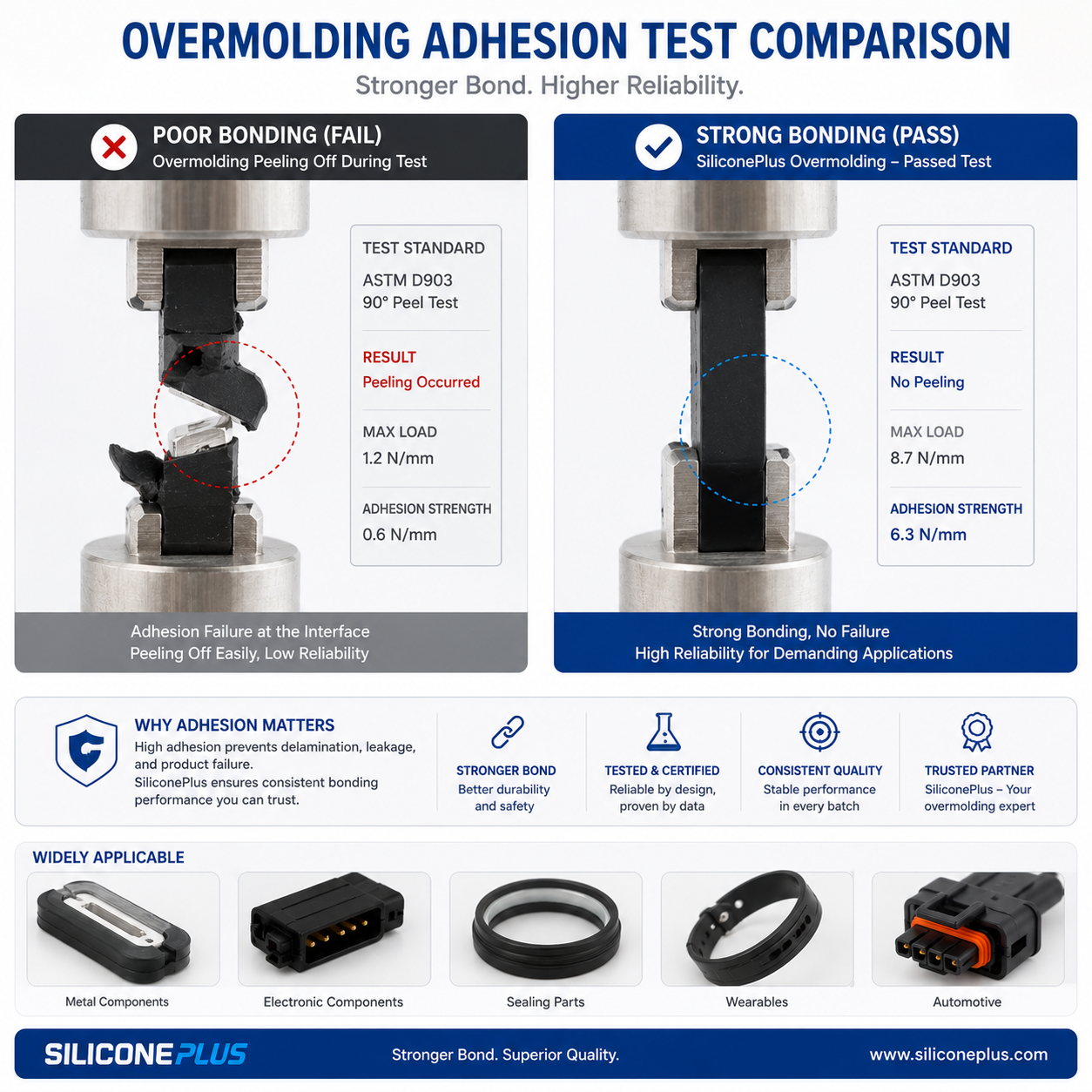
- Substrate-specific pre-treatment: We use specialized cleaning and plasma treatment for metal, plastic, and FPC parts to create a surface optimized for silicone bonding.
- Material matching: We select silicone formulations (LSR/HCR) tested for compatibility with your base material, including hard-to-bond plastics like PP or ABS.
- Mold design optimization: Our engineers add flow channels and pressure points to ensure even silicone distribution, creating a permanent bond that won’t peel or crack.
2. Challenge 2: Compliance & Material Compatibility Risks
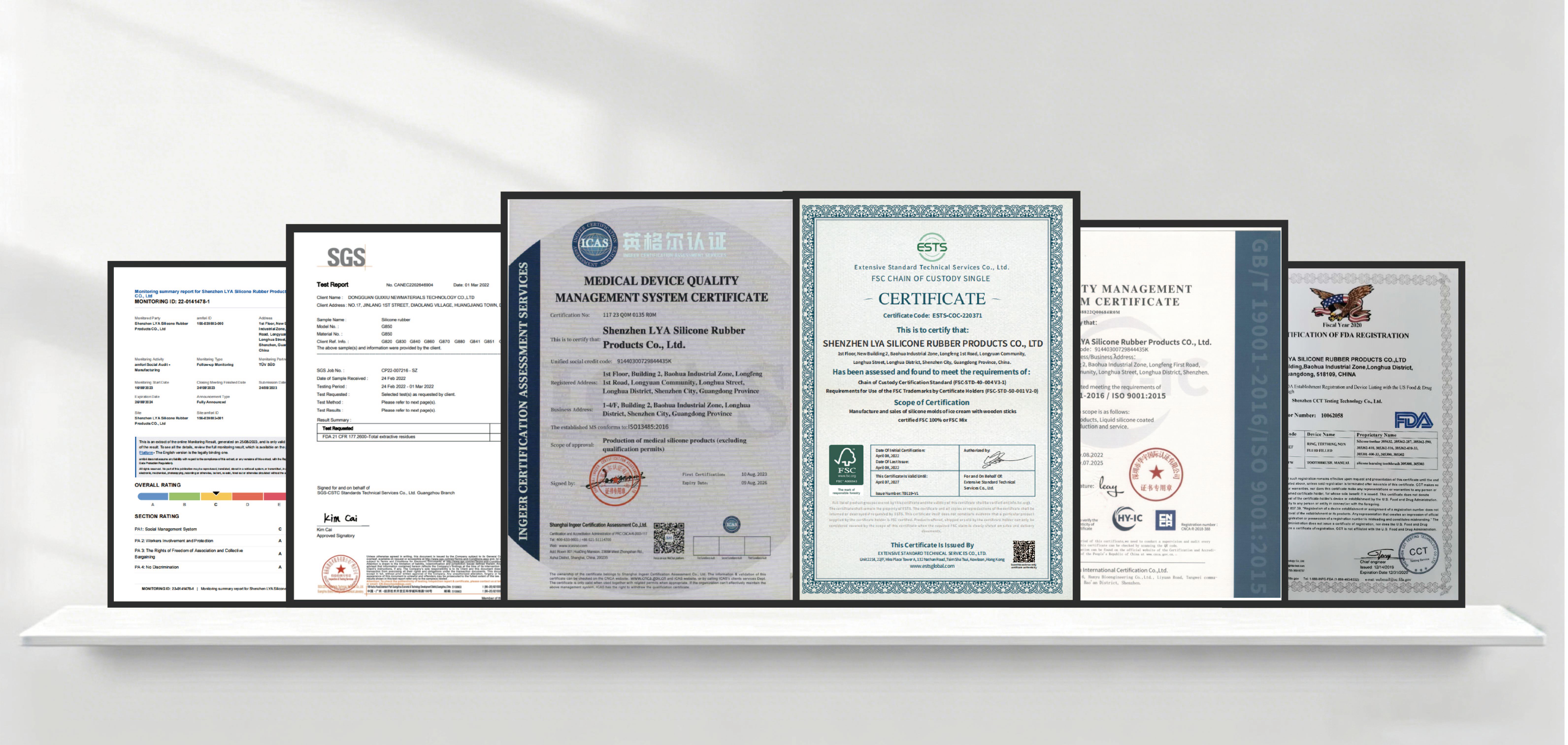
- Using non-medical-grade silicone for patient-contact parts, failing ISO 13485 biocompatibility tests.
- Automotive overmolding materials that don’t meet IATF 16949 heat or chemical resistance standards.
- Leachables and extractables in silicone that contaminate medical devices or electronics.
- Pre-qualified material library: We maintain a full range of ISO 13485-certified medical-grade, IATF 16949-compliant automotive-grade, and RoHS/REACH-compliant consumer-grade silicones.
- Traceable manufacturing: Every batch of silicone and substrate is tracked with full documentation, including material certifications and test reports for regulatory submissions.
- In-house compliance testing: We perform pre-production biocompatibility, heat resistance, and chemical compatibility tests to catch issues before mass production.
3. Challenge 3: Waterproofing & Durability Failures
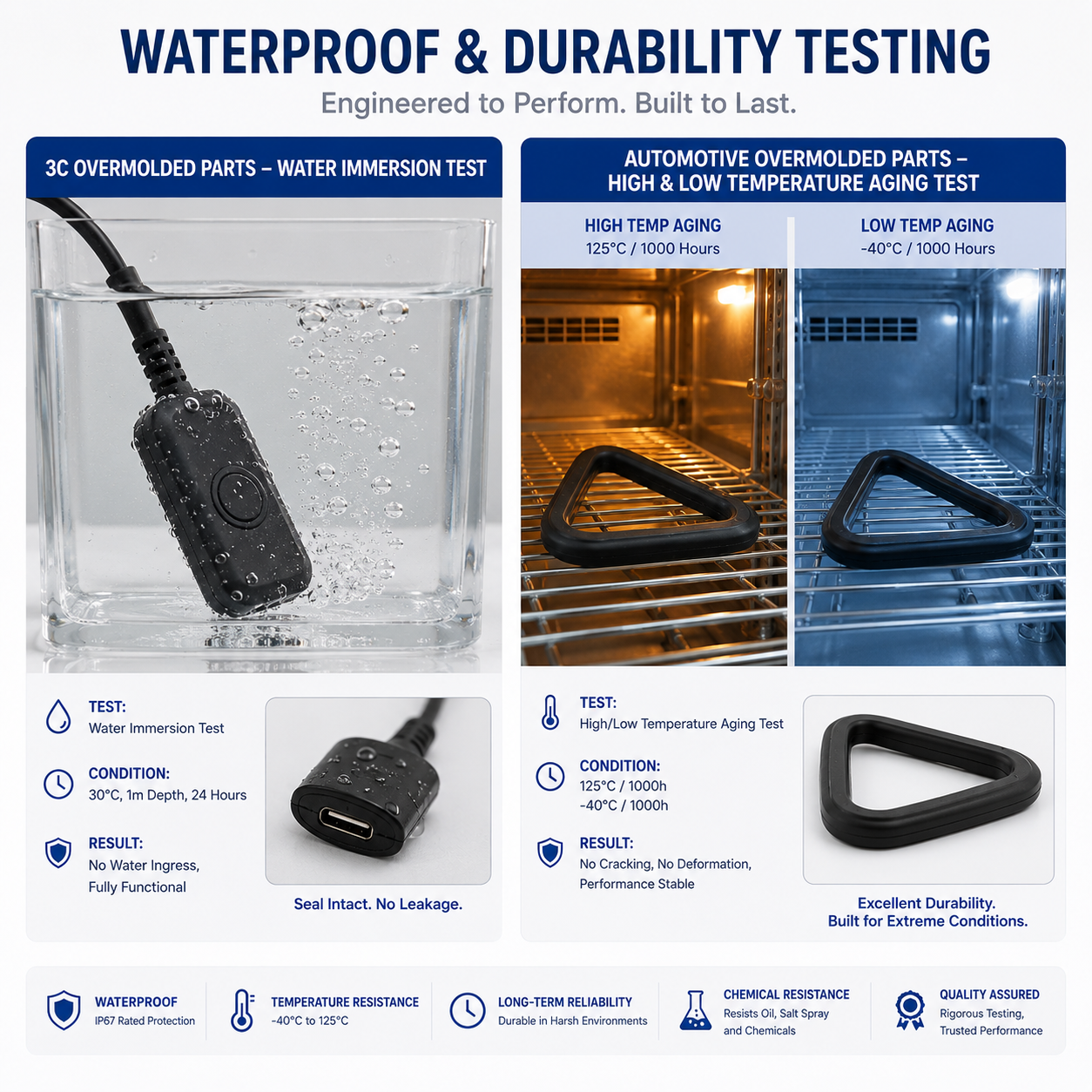
- Inconsistent silicone thickness, creating weak points in the seal.
- Poor mold alignment, leaving gaps between the silicone and substrate.
- Silicone formulations that degrade under UV light, high temperatures, or repeated use.
- Precision mold alignment: CNC-machined molds ensure micron-level accuracy, eliminating gaps and uneven silicone distribution.
- Controlled injection pressure: We use regulated LSR injection to maintain consistent silicone thickness across the entire part, creating a uniform, leak-proof seal.
- Environmentally tested materials: For outdoor/automotive parts, we use UV and heat-resistant silicones; for 3C devices, we test overmolded parts to IP67/IP68 waterproof standards.
4. Challenge 4: Complex Part Design & Manufacturing Limitations
- Multi-substrate overmolding: We handle overmolding on metal, plastic, FPC, and even other silicone parts (silicone-on-silicone overmolding) for multi-layer, soft-touch designs.
- Custom mold engineering: Our team designs molds with complex cavities, undercuts, and multiple gates to fit your unique part geometry.
- Rapid prototyping for complex parts: We test prototypes of even the most intricate designs to validate fit, flow, and adhesion before full production.
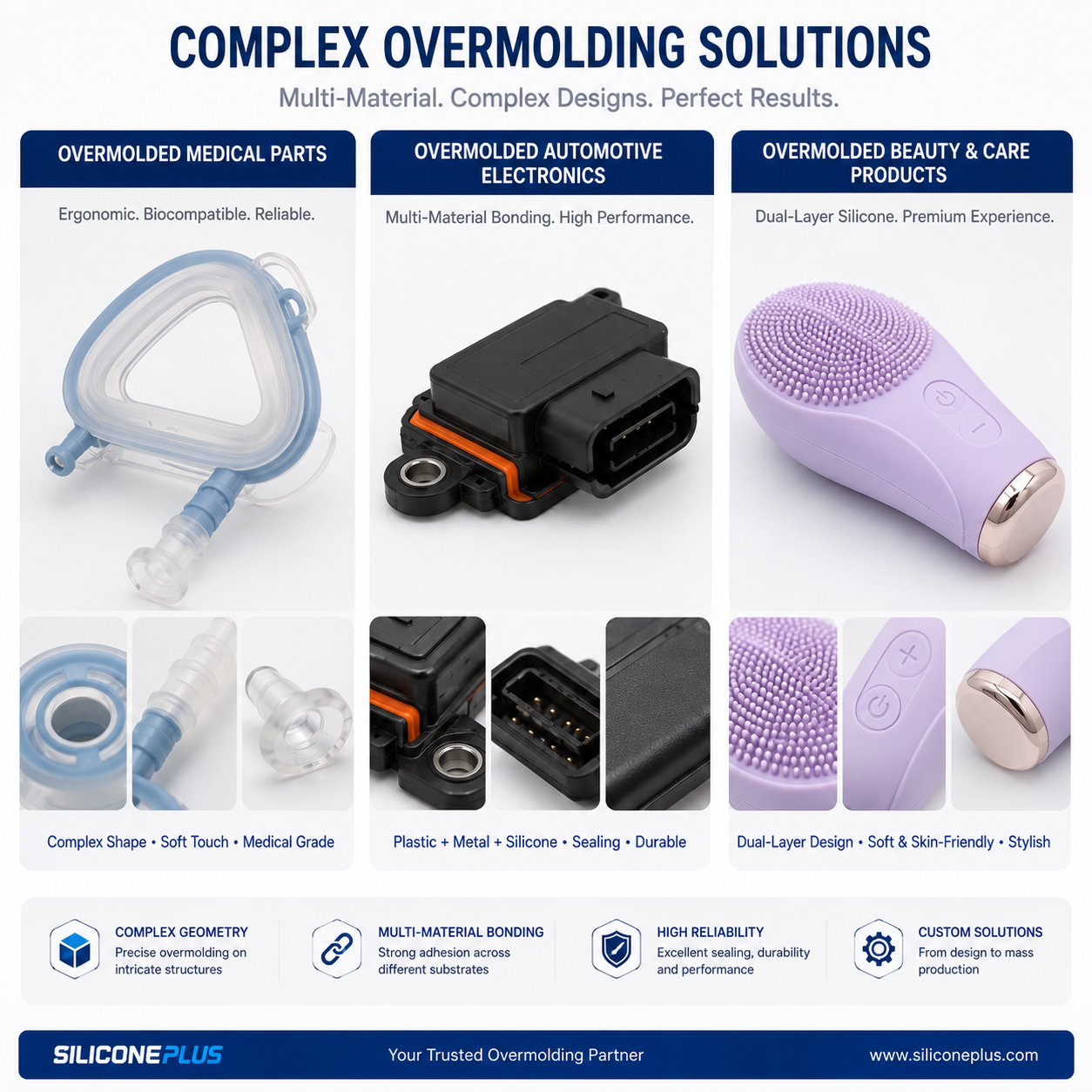
5. Our Problem-Solving Custom Overmolding Process
- Design & challenge assessment: We review your part design, substrate, and industry requirements to flag potential issues early (e.g., adhesion risks, compliance gaps).
- Custom solution development: Our engineers select materials, optimize mold design, and plan pre-treatments tailored to your part.
- Prototype validation: We produce and test prototypes for adhesion, durability, and compliance to confirm the solution works.
- Production & quality control: Full-scale manufacturing with 100% visual inspection and batch testing to ensure consistent quality.
- Post-production support: We provide full documentation and ongoing support to address any questions during assembly or regulatory submissions.
Why Choose SiliconePlus to Solve Your Overmolding Challenges?
- Expertise across 4 industries: Proven solutions for medical, 3C, automotive, and beauty overmolding challenges.
- Customized material & mold engineering: No one-size-fits-all approaches—we tailor every step to your part.
- In-house testing & compliance support: We validate adhesion, durability, and regulatory requirements before production.
- Low-risk prototyping: Test solutions early to avoid costly redesigns or production delays.