Case Studies: Successful Silicone Overmolding Applications in Plastics
- Share
- publisher
- siliconeplus
- Issue Time
- Jan 6,2026
Summary
Showcasing successful silicone overmolding on plastics, enhancing grip, durability, and aesthetics across industries.
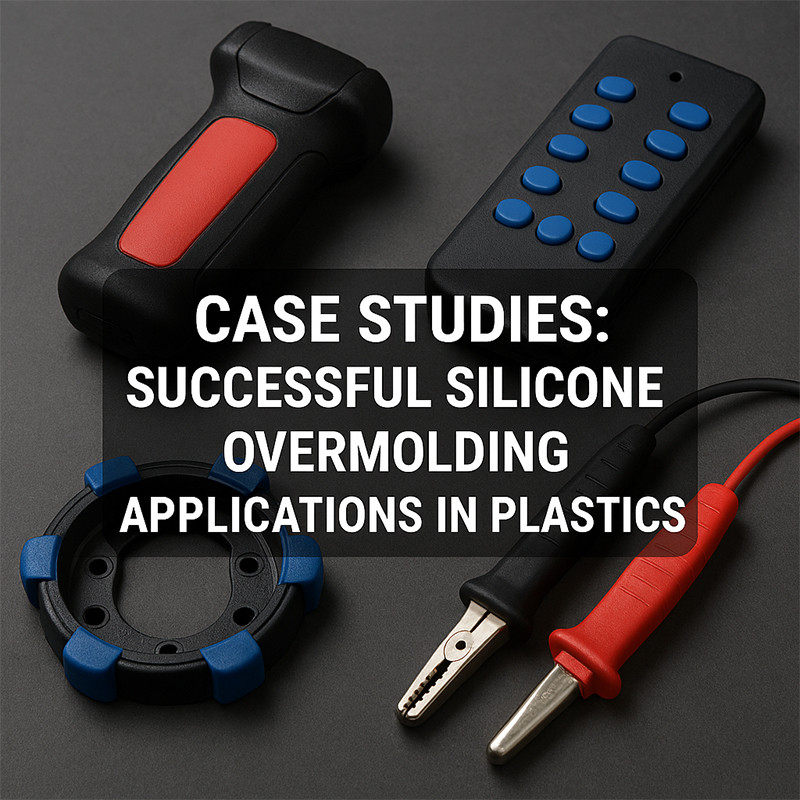
Introduction: Transforming Plastic Components with Silicone Overmolding
In the rapidly evolving landscape of plastic manufacturing, silicone overmolding has emerged as a groundbreaking technique that significantly enhances product performance, durability, and user experience. As industries demand more complex, flexible, and resilient plastic components, the integration of silicone rubber through overmolding provides unmatched advantages—ranging from improved grip and tactile feedback to thermal stability and chemical resistance.
Our extensive experience in designing and executing successful silicone overmolding applications underscores the transformative potential of this technology across multiple sectors, including consumer electronics, medical devices, automotive parts, and industrial equipment. This comprehensive review presents detailed case studies that exemplify how innovative overmolding solutions have revolutionized product performance, offering insights and best practices for manufacturers seeking to optimize their designs.
Understanding Silicone Overmolding: A Game-Changer in Plastic Manufacturing
Silicone overmolding involves the process of injecting or molding liquid silicone rubber directly onto or around pre-formed plastic components. This technique creates a bonded, multi-material composite that combines the strength, rigidity, and precision of plastics with the flexibility, temperature resistance, and tactile qualities of silicone.
Key Benefits of Silicone Overmolding in Plastics
Enhanced Grip and Tactility: Silicone offers a soft, non-slip surface that improves user handling.
Temperature and Chemical Resistance: Ideal for harsh environments, silicone withstands extreme temperatures and chemical exposure.
Improved Insulation: Silicone provides excellent electrical insulation for sensitive electronic components.
Vibration Damping: Silicone's elastic properties absorb shocks and vibrations, protecting internal components.
Aesthetic Flexibility: Overmolding allows for color customization and textured finishes.
Case Study 1: Medical Device Handles with Silicone Overmolded Grip
Background and Challenge
A leading manufacturer of medical device handles sought to develop a secure, ergonomic grip that could withstand frequent sterilization cycles and exposure to bodily fluids. Traditional plastic handles lacked the necessary tactile feel and slip resistance, compromising user safety and comfort.
Solution and Implementation
We designed a custom silicone overmold applied to a rigid, medical-grade plastic core. The silicone formulation was selected for biocompatibility, chemical resistance, and easy sterilization. The process involved precise mold design to ensure a firm bond between the silicone and plastic core, with textured surface patterns for enhanced grip.
Outcome and Benefits
Enhanced User Safety: The silicone overmold provided a non-slip surface, reducing the risk of accidents.
Durability: The overmolded handles endured multiple sterilization cycles without degradation.
Improved Ergonomics: The soft silicone surface increased user comfort during extended use.
Aesthetic Appeal: Custom colors and textures elevated the product's market appeal.
Case Study 2: Automotive Control Panels Featuring Silicone Overmolds
Background and Challenge
An automotive OEM aimed to upgrade the interior control panels with more tactile, durable buttons that could resist UV exposure, temperature fluctuations, and abrasion. The goal was to combine aesthetics with functional resilience.
Solution and Implementation
By integrating silicone overmolds onto plastic control buttons, we achieved soft-touch surfaces with enhanced durability. The silicone was molded directly onto the plastic substrate, creating a seamless, integrated component. Advanced color-matching techniques were employed to maintain the vehicle's interior aesthetics.
Outcome and Benefits
Superior Tactile Feedback: The soft silicone surface improved user interaction.
Long-Term Durability: Resistance to UV, temperature swings, and wear ensured longevity.
Aesthetic Consistency: Custom color and texture options aligned with branding.
Vibration and Shock Absorption: The silicone layer dampened vibrations, protecting sensitive electronics.
Case Study 3: Consumer Electronics with Silicone Overmolded Casings
Background and Challenge
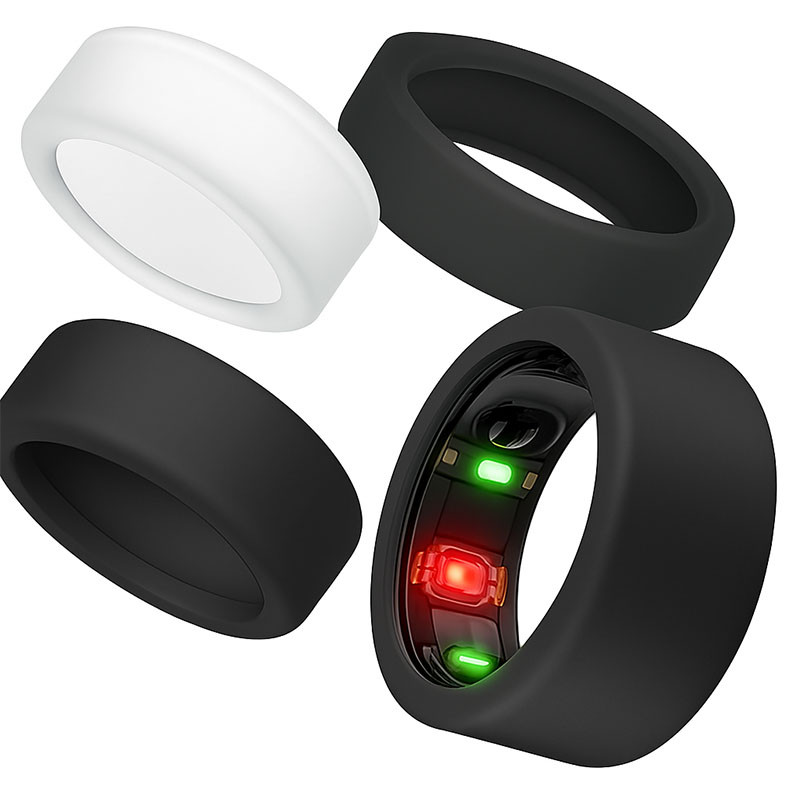
A consumer electronics company needed robust, comfortable casings for their wireless earbuds. The casing had to protect internal components while providing a premium tactile experience.
Solution and Implementation
We utilized silicone overmolding to create soft, textured surfaces on rigid plastic shells. The process involved precise mold design to ensure perfect bonding and seamless integration. The silicone was formulated for high flexibility and color stability.
Outcome and Benefits
Enhanced User Experience: The silicone exterior provided a comfortable grip and premium feel.
Impact Resistance: The flexible silicone layer absorbed shocks, preventing damage.
Design Flexibility: Multiple color options and textures enhanced branding.
Water and Dust Resistance: The overmolded design contributed to IP-rated protection.
Technical Aspects of Successful Silicone Overmolding in Plastics
Achieving optimal bonding and performance in silicone overmolding requires meticulous attention to material compatibility, surface preparation, and process parameters.
Material Compatibility
Plastic Substrate Selection: Common plastics include ABS, polycarbonate, POM, and polypropylene. Surface treatments or primers are often necessary to enhance adhesion.
Silicone Rubber Formulation: Use of medically approved, high-performance silicone ensures chemical resistance and stability.
Surface Preparation
Cleaning: Removal of contaminants, oils, and residues.
Priming: Application of adhesion promoters to enhance bonding.
Surface Roughening: Mechanical or chemical treatments to increase surface area.
Process Parameters
Molding Temperature and Pressure: Precise control ensures uniform overmolds without damaging the plastic core.
Curing Time: Adequate curing promotes strong, durable bonds.
Design Considerations: Incorporating interlocking features or undercuts for better mechanical bonding.
Innovations and Future Trends in Silicone Overmolding
The future of silicone overmolding in plastics is driven by technological advancements that expand its applications:
Smart Overmolds: Integration of sensor-embedded silicone layers for health monitoring or interactive interfaces.
Bio-Compatible and Eco-Friendly Materials: Development of sustainable silicone formulations compatible with biodegradable plastics.
Micro-Overmolding: Precision molding for miniaturized components in wearables and medical implants.
Multi-Material Overmolding: Combining silicone with other elastomers or thermoplastics for multi-functional components.
Conclusion: Unlocking New Possibilities with Silicone Overmolding
The success stories outlined herein demonstrate the transformative impact of silicone overmolding on plastic component performance, aesthetics, and user satisfaction. By leveraging advanced materials, precise engineering, and innovative processes, manufacturers can significantly elevate their products to meet the demands of modern markets.
Strategic implementation of silicone overmolding opens new avenues for design flexibility, durability, and functionality, making it an indispensable tool in the advanced manufacturing toolkit. As industry needs evolve, the potential for silicone overmolding to redefine product standards continues to grow, promising unmatched benefits for both producers and consumers alike.
Website:www.siliconeplus.net
Email:sales11@siliconeplus.net.
Phone:13420974883
Wechat:13420974883